Does Acupuncture Hurt? What a First Session Actually Feels Like
Acupuncture needles are far finer than injection needles. What you'll actually feel, what "de qi" is, and tips if you're nervous.

 Written byFlourish TCM ClinicTraditional Chinese Medicine & skin care · Yaletown, Vancouver
 Reviewed byTabasom (Tabi) Mirshahi, R.Ac., R.TCM.P.
Does Acupuncture Hurt? What a First Session Actually Feels Like
Most people find acupuncture far more comfortable than they expect. Acupuncture needles are much finer than the needles used for injections or blood tests. You may feel a brief pinch as a needle goes in, followed by a dull, heavy or tingling sensation. Many people relax so deeply during a session that they fall asleep.
Does acupuncture hurt?
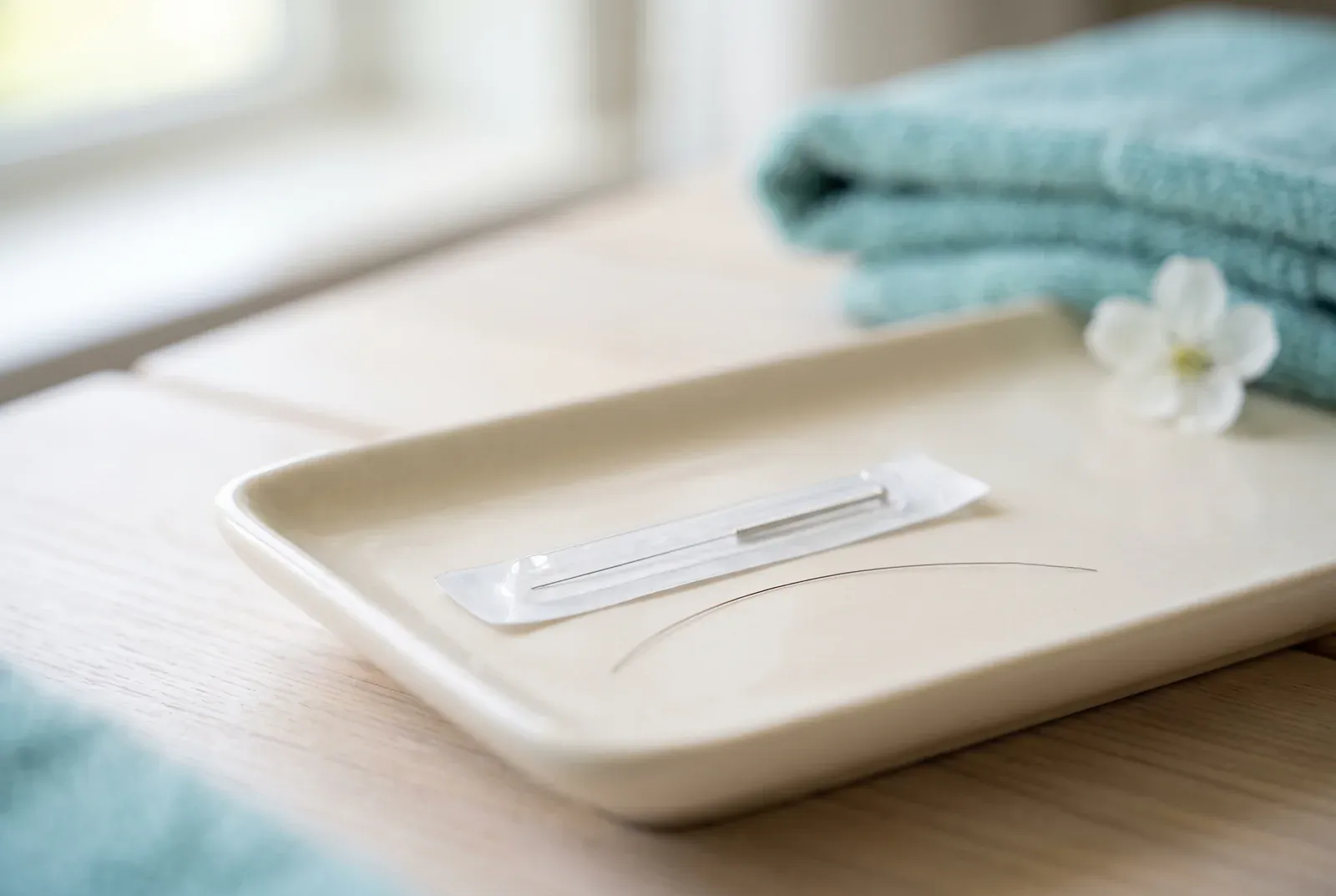
For most people, no. It certainly doesn't feel like an injection. Acupuncture needles are solid and hair-thin. Injection needles are hollow and much thicker, because they have to carry fluid. That difference in size is the main reason acupuncture feels so different.
What people usually report:
- A tiny pinch or tap as the needle passes through the skin, often barely noticeable.
- A dull ache, heaviness, warmth or tingling around the point once the needle is in place.
- Relaxation as the session goes on.
Some points, such as on the hands and feet, are more sensitive than others. Your practitioner will check in with you throughout.
What is "de qi"?
"De qi" (pronounced "duh chee") is the TCM term for the sensation some people feel when a needle reaches the right depth: a dull, heavy, spreading or tingling feeling. In TCM it's understood as a sign that the point is engaged. It shouldn't be sharp. If anything feels sharp or uncomfortable, say so and your practitioner will adjust.
What does a first session look like, step by step?
At Flourish, a first acupuncture session takes about 45 minutes:
- Health history. Your concerns, medical history, medications, sleep, digestion, stress and energy.
- TCM assessment. Your practitioner may look at your tongue and feel your pulse at both wrists. See What Happens in TCM Tongue and Pulse Diagnosis.
- Getting comfortable. You lie on a padded table, clothed where possible, with draping for privacy.
- Needling. Very fine, sterile, single-use needles are placed at chosen points.
- Rest. Needles stay in for about 20–30 minutes while you rest in a quiet room.
- Removal and next steps. Needles are removed and disposed of, and you'll talk about how you feel and what comes next.
Tips if you're nervous about needles
- Say so at the start. Your practitioner can begin with fewer needles and explain each step.
- Lie down. Being treated lying down helps if you've ever felt faint with needles.
- Eat a light meal beforehand. Don't come on an empty stomach.
- Breathe slowly as each needle goes in.
- Ask about needle-free options. Laser-based point stimulation exists. See Laser Acupuncture vs Needle Acupuncture.
- Start with bodywork. If you're not ready for needles, TuiNa & DDS Acupressure Massage works on acupressure points by hand.
Is acupuncture safe?
When performed by a registered practitioner using sterile, single-use needles, acupuncture is generally considered low-risk. Minor effects include a small bruise, brief soreness at a point, or feeling tired or light-headed afterwards. Serious complications are rare. In British Columbia, acupuncturists are regulated by the College of Complementary Health Professionals of BC, and you can check a practitioner's registration on its public registry.
Tell your practitioner if you're pregnant, take blood thinners, have a bleeding disorder, or have a pacemaker.
What do people come to acupuncture for?
People commonly book for back pain, neck and shoulder tension, headaches, stress and anxiety, sleep problems and digestive discomfort, often alongside care from their doctor.
Booking acupuncture at Flourish
Acupuncture at Flourish is performed by a registered acupuncturist. We're not booking acupuncture right now; you can join the waitlist on the Acupuncture page and we'll contact you as soon as appointments open. Our clinic is in Yaletown, close to Chinatown and a short Canada Line trip from Mount Pleasant.
Frequently asked questions
Do acupuncture needles bleed?
Occasionally a tiny drop appears when a needle is removed; it stops right away.
Can I move during a session?
Try to stay still while needles are in; tell your practitioner if you're uncomfortable.
Will I feel tired afterwards?
Some people feel relaxed or sleepy; others feel energised.
Are needles reused?
No. Every needle is sterile, single-use and disposed of.
Can I book acupuncture now?
It's on a waitlist. Join from the Acupuncture page.
Sources
- Ernst E, White AR. Prospective studies of the safety of acupuncture: a systematic review. Am J Med. 2001. (pubmed.ncbi.nlm.nih.gov)
- NCCIH (NIH) — Acupuncture: what you need to know (nccih.nih.gov)
- College of Complementary Health Professionals of BC — Practitioner search (public registry) (cchpbc.ca)
Information on this site is general and isn't a substitute for advice from your physician.
Related to this article
Body Wellness
Acupuncture
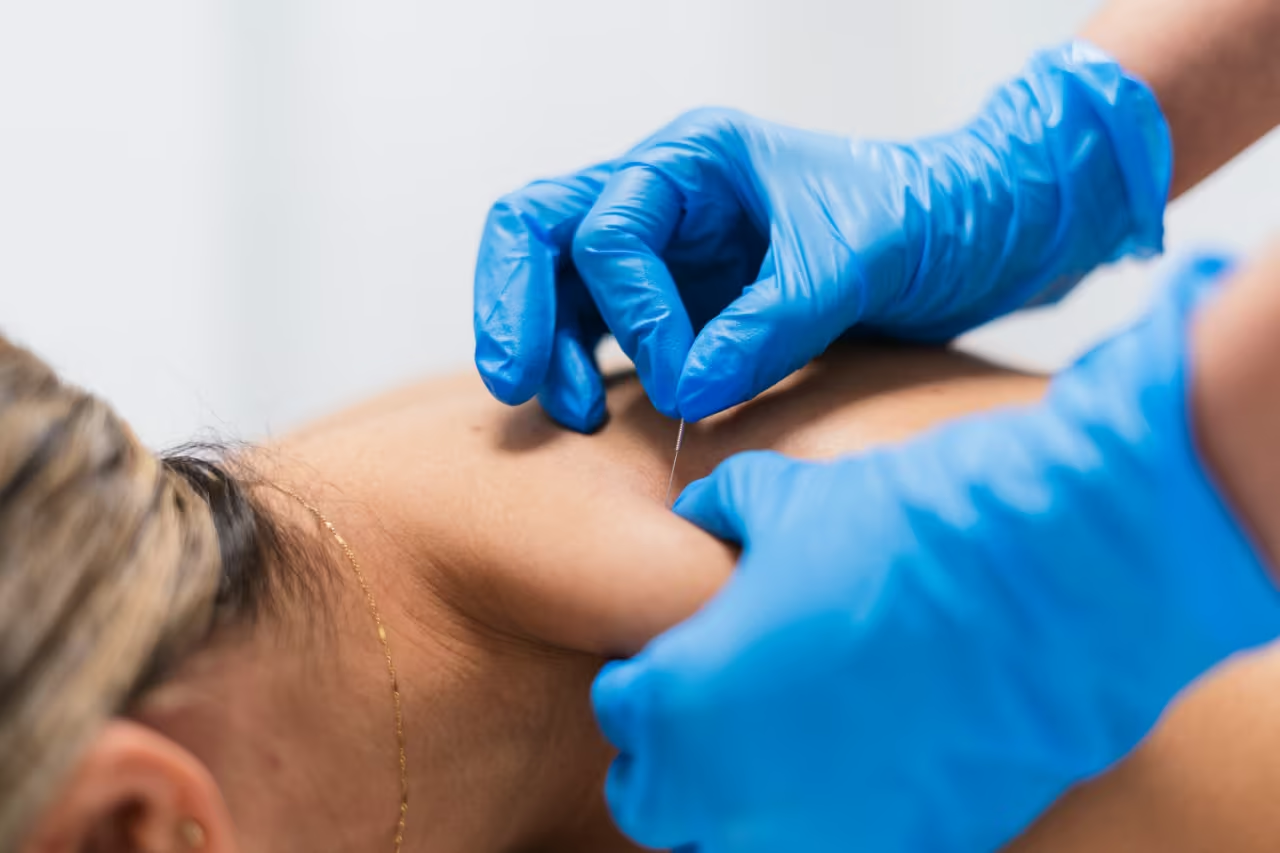
Acupuncture is a Traditional Chinese Medicine treatment in which a registered acupuncturist places fine, sterile needles at specific points on the body. At Flourish TCM Clinic in Yaletown, Vancouver, a 45-minute session costs $170. Appointments open once a registered acupuncturist joins our team; join the waitlist.
Body Wellness
TuiNa & DDS Acupressure Massage
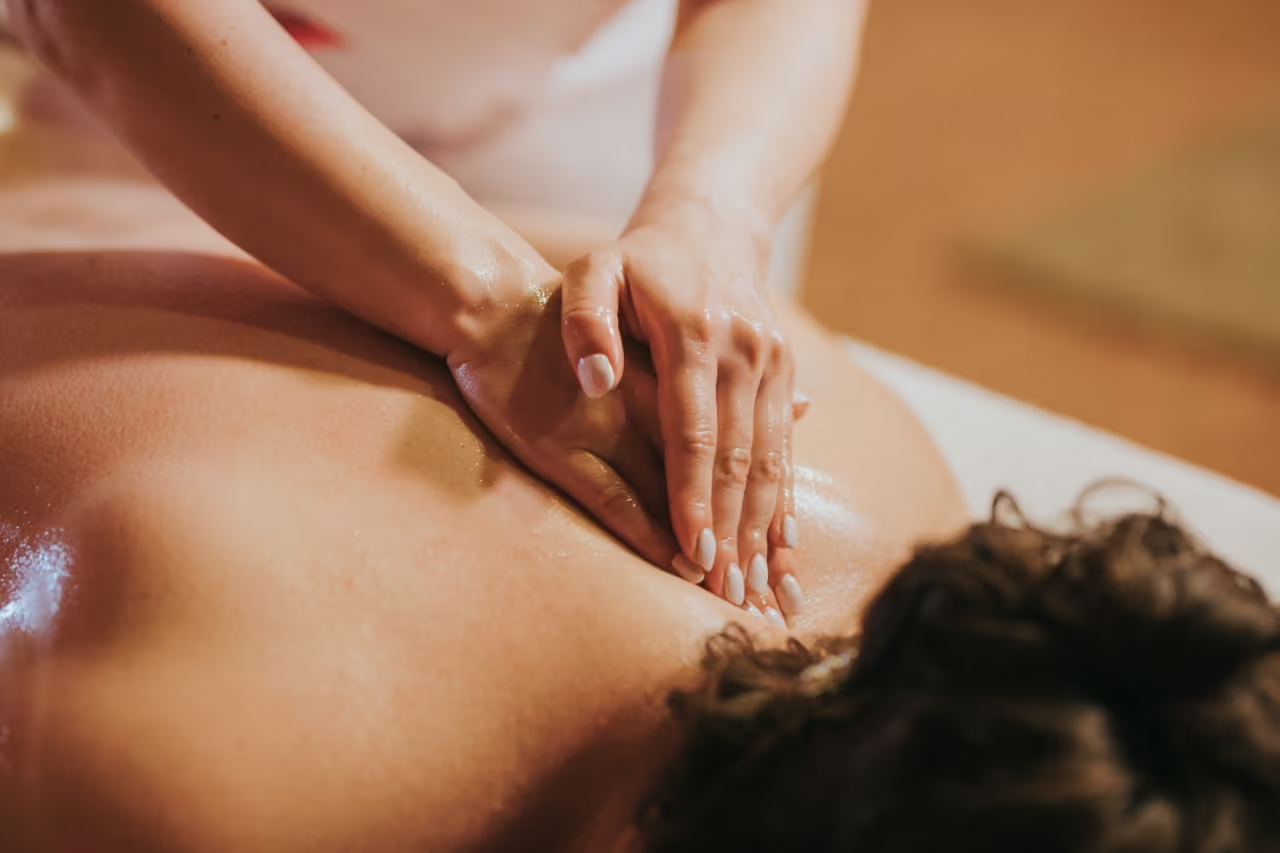
TuiNa & DDS Acupressure Massage combines TuiNa, a Chinese massage technique that works along the meridians and acupressure points, with the DDS bio-current system's gentle micro-current. At Flourish TCM Clinic in Yaletown, Vancouver, it's $110 for 30 minutes or $170 for 60 minutes, with Amir Norouzi.
Body Wellness
Reiki Healing with Gentle Massage
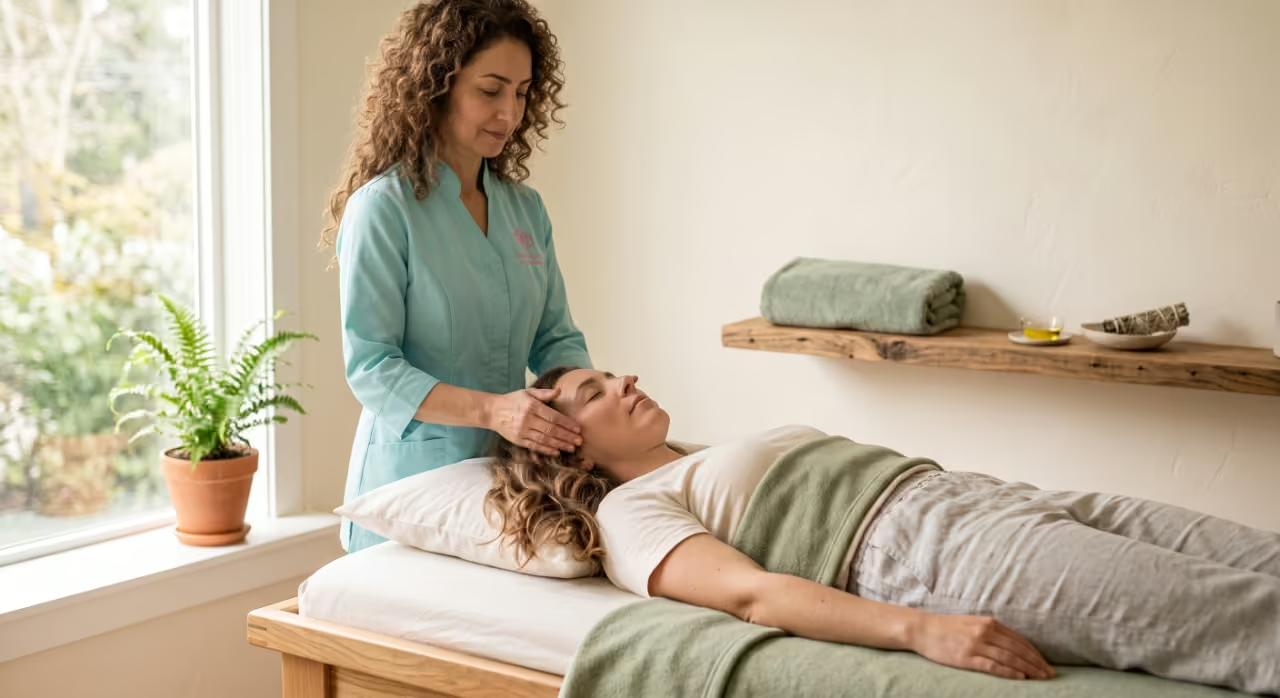
Reiki Healing with Gentle Massage is a 60-minute, fully clothed relaxation session that combines Reiki with soothing touch to the scalp, arms, hands and feet and a gentle gua sha facial. At Flourish TCM Clinic in Yaletown, Vancouver, it costs $170 with Lida Fazlinejad (Lida Fazli), certified Reiki practitioner.
Body Wellness
Cupping Therapy
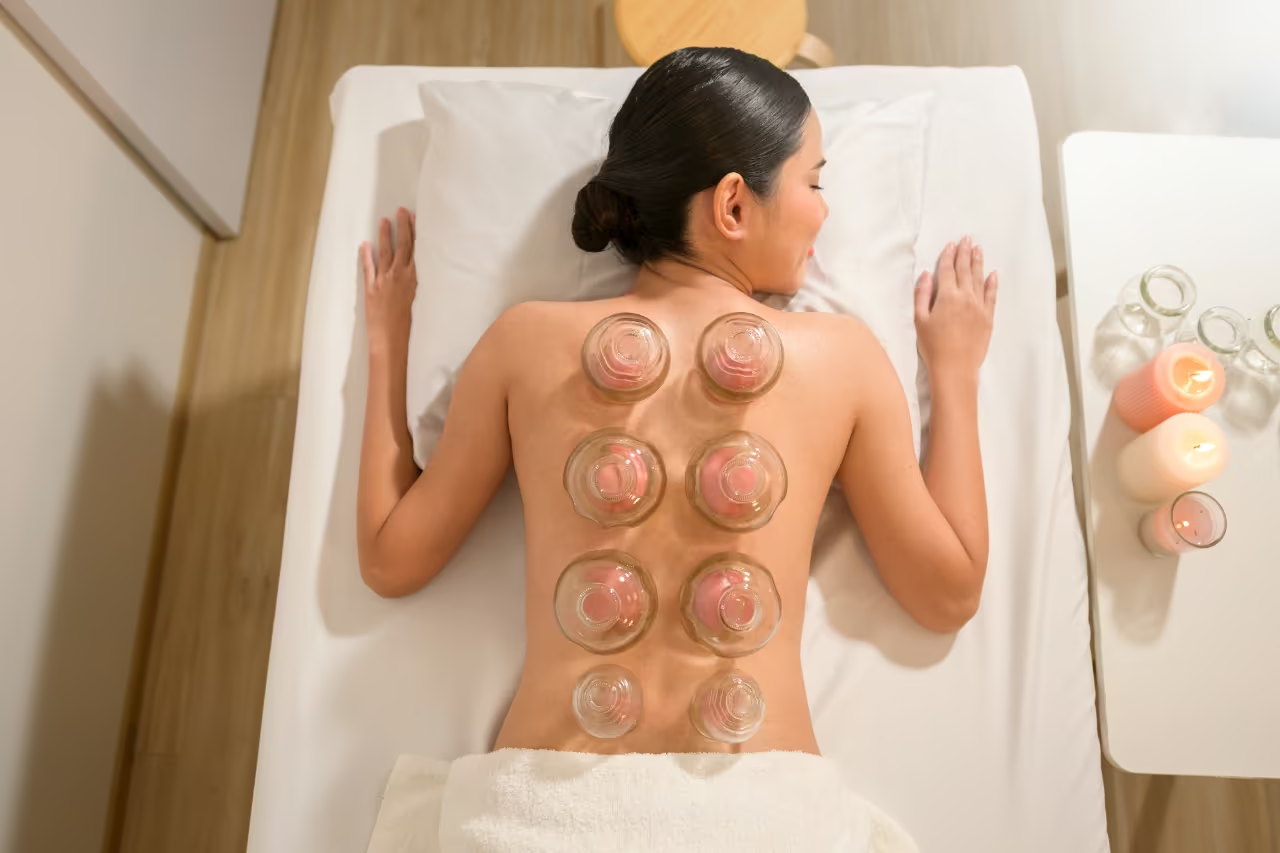
Cupping Therapy is a 30-minute Traditional Chinese Medicine treatment in which vacuum cups are applied over massage oil, to ease muscle tension and help you relax. At Flourish TCM Clinic in Yaletown, Vancouver, it costs $170. Appointments open once a registered acupuncturist joins our team.