Short-term sleep problems are common during stress. Insomnia lasting more than three months, three or more nights a week, is chronic and worth discussing with a doctor. Cognitive behavioural therapy for insomnia (CBT-I) is a well-supported first treatment.
Wellbeing concern
Sleep Problems
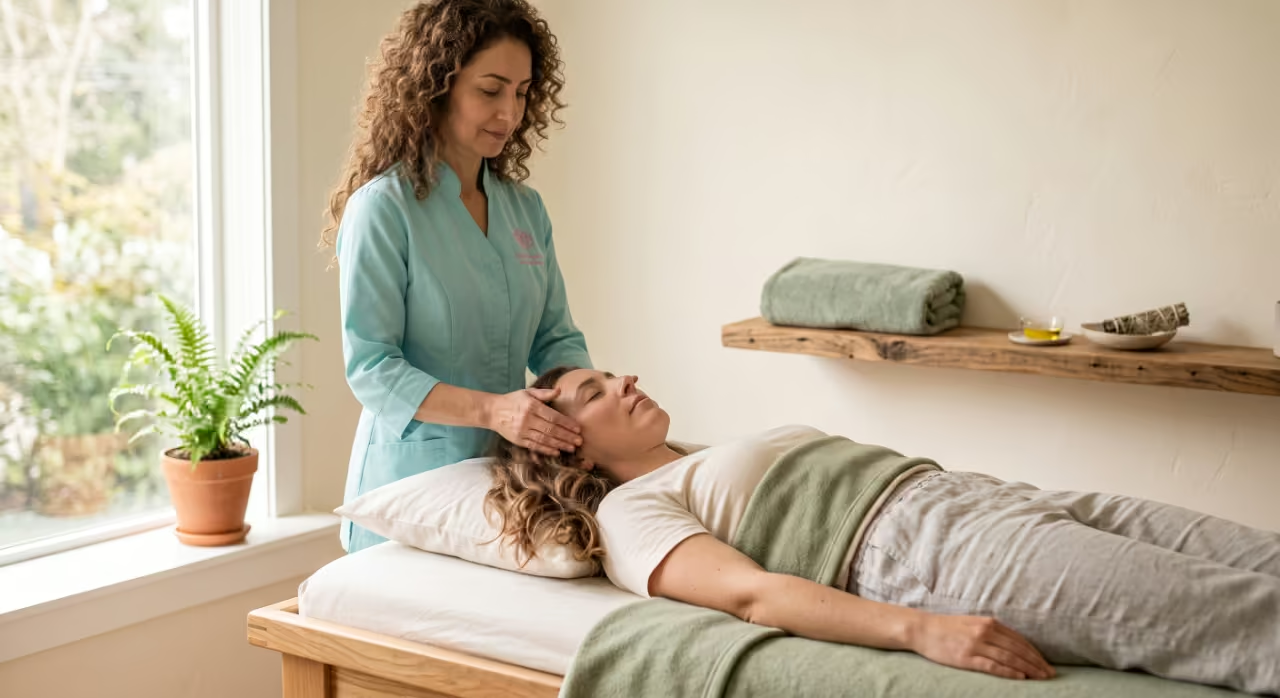
Trouble falling asleep, staying asleep or waking unrefreshed is often linked to stress, screens, irregular schedules, pain or hormones. At Flourish TCM Clinic in Yaletown, Vancouver, relaxing services such as Reiki and Relaxation Massage are bookable now, and acupuncture is on the waitlist.

TCM relates sleep to the Heart and Shen. Poor sleep is linked to heat, deficiency or a restless spirit, and patterns such as waking at the same hour each night are part of assessment.
Treatments that may help




What to expect
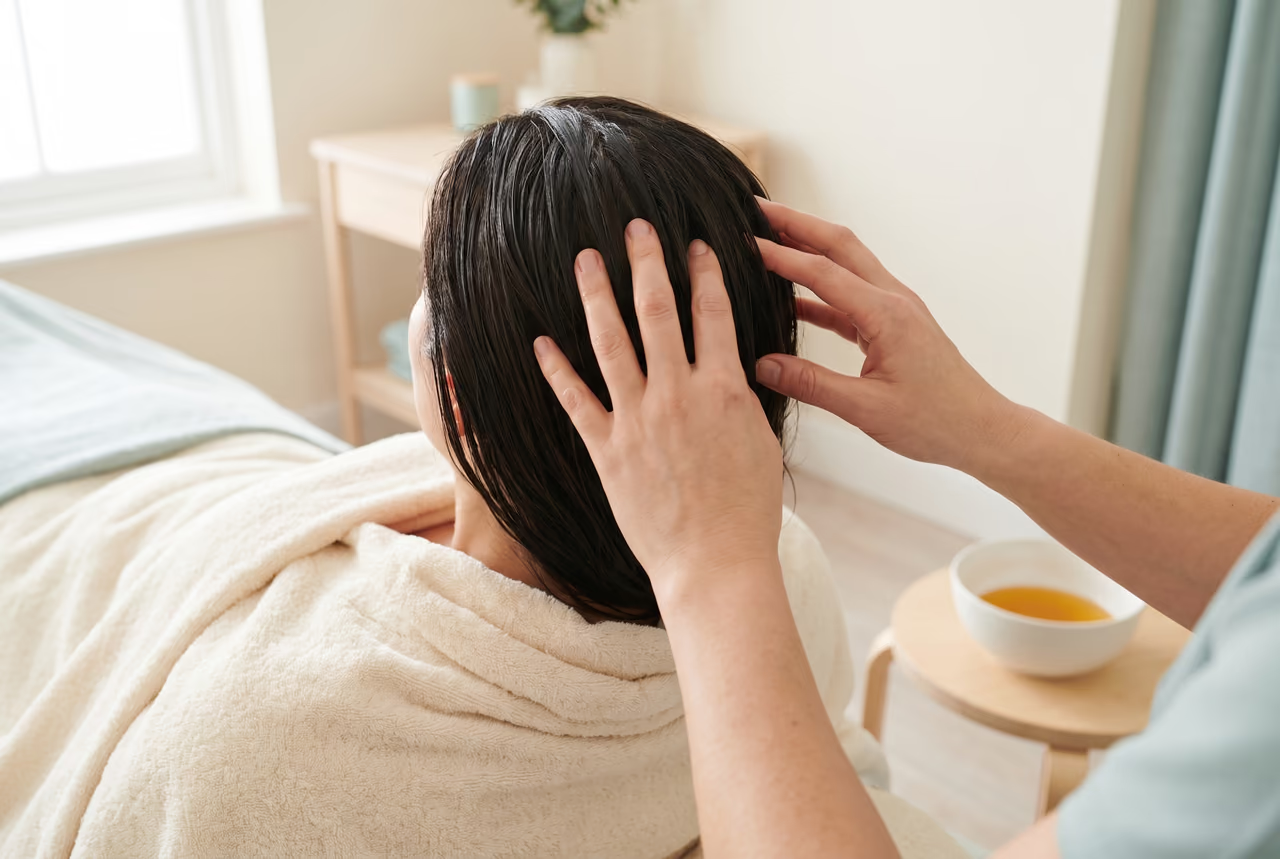
Relaxation sessions can leave you calm and sleepy, and many book late-afternoon appointments. Consistent sleep habits matter most.
Terms to know
Full glossaryGlossary

Reiki
TCMReiki is a Japanese energy practice in which a practitioner places their hands on or just above the body. People use it for deep relaxation.
Glossary
Gua Sha
TCMGua Sha is a Chinese technique of stroking the skin with a smooth-edged tool, gently on the face and more firmly on the body.
Glossary
Acupoints
TCMAcupoints are specific points on the body, mostly along the meridians, that are stimulated with needles, finger pressure or low-level laser.
Related articles

 By Flourish TCM Clinic

Frequently asked questions
Can acupuncture help insomnia?
Some research suggests it may help, though evidence quality varies.
When should I book to help sleep?
Many people prefer late-afternoon or evening sessions. Wednesdays are open until 8 pm and Tuesdays until 7 pm.
Will I fall asleep during Reiki?
Many people do. That's fine.
What else helps?
Regular sleep and wake times, less screen time before bed, and CBT-I for ongoing insomnia.