What Is Reiki? A First-Timer's Guide
What Reiki is, where it comes from, what a fully clothed session is like, what it is and isn't, and how to prepare.

 Written byFlourish TCM ClinicTraditional Chinese Medicine & skin care · Yaletown, Vancouver
 Reviewed byTabasom (Tabi) Mirshahi, R.Ac., R.TCM.P.
What Is Reiki? A First-Timer's Guide
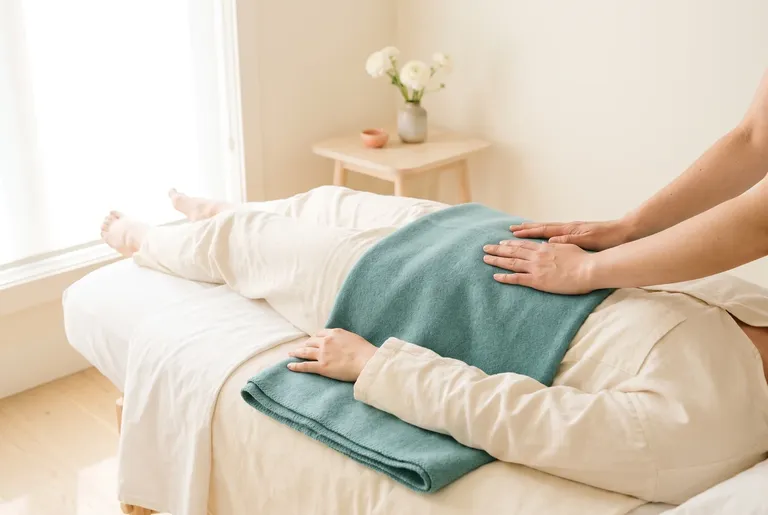
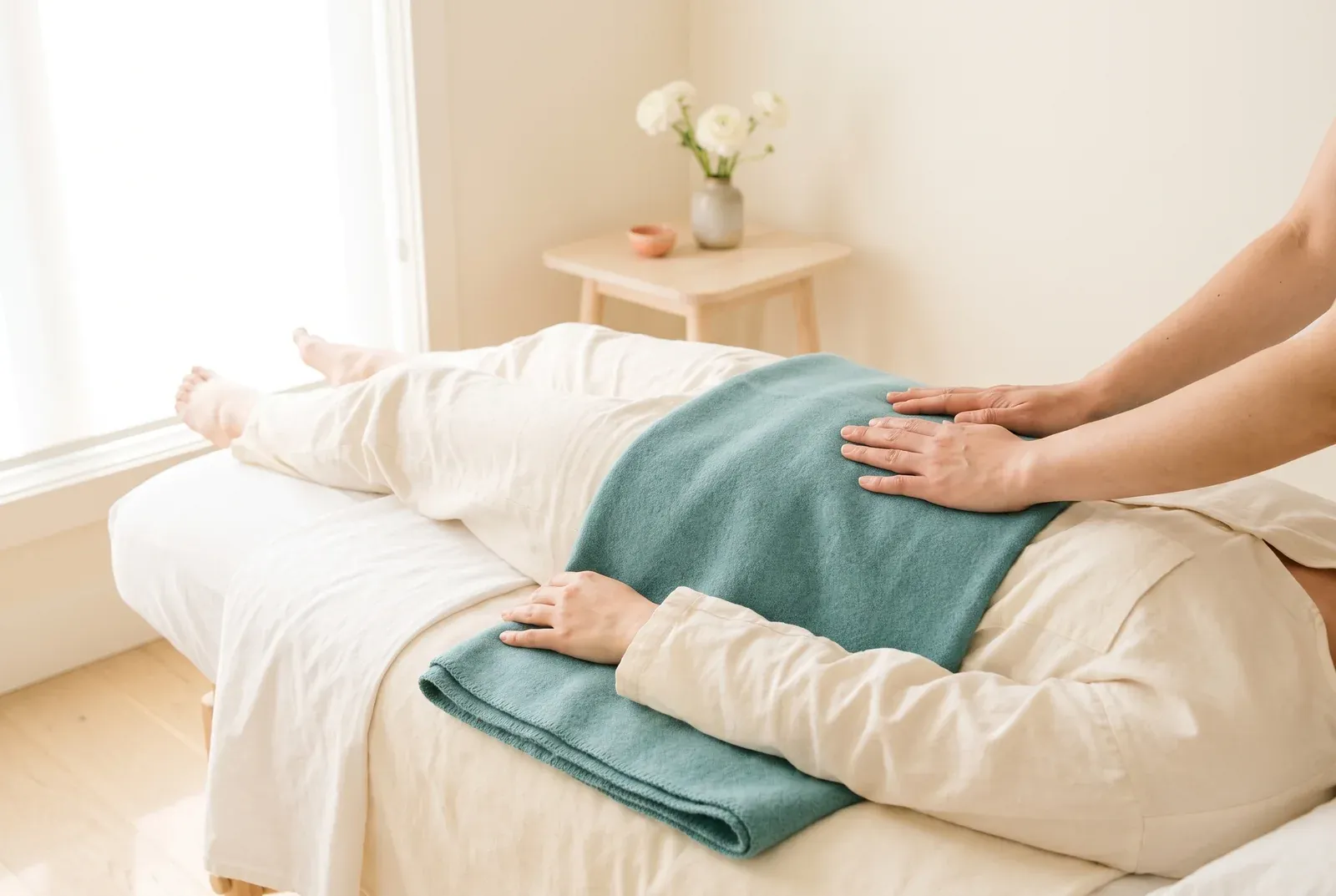
Reiki (pronounced "ray-key") is a gentle Japanese energy practice in which a practitioner places their hands lightly on, or just above, the body. People use it for deep relaxation and a sense of calm. Sessions are fully clothed and quiet. Reiki is a relaxation practice, not a medical treatment, and it doesn't replace care from your doctor.
What is Reiki?
Reiki is based on the idea of a universal life energy ("ki" in Japanese, similar to "Qi" in Chinese medicine). In a session, the practitioner rests their hands in a series of positions, on or just above the body, with the intention of supporting relaxation and balance. There's no pressure, manipulation or massage in classic Reiki, though at Flourish Lida combines it with gentle touch.
Where does Reiki come from?
Reiki was developed in Japan in the early 20th century by Mikao Usui, and it spread worldwide from there. Practitioners train through levels, often called degrees, with a teacher.
What is a session like at Flourish?
Our Reiki with Gentle Massage session takes 60 minutes:
- A short chat about how you're feeling, and any areas you'd prefer not to be touched.
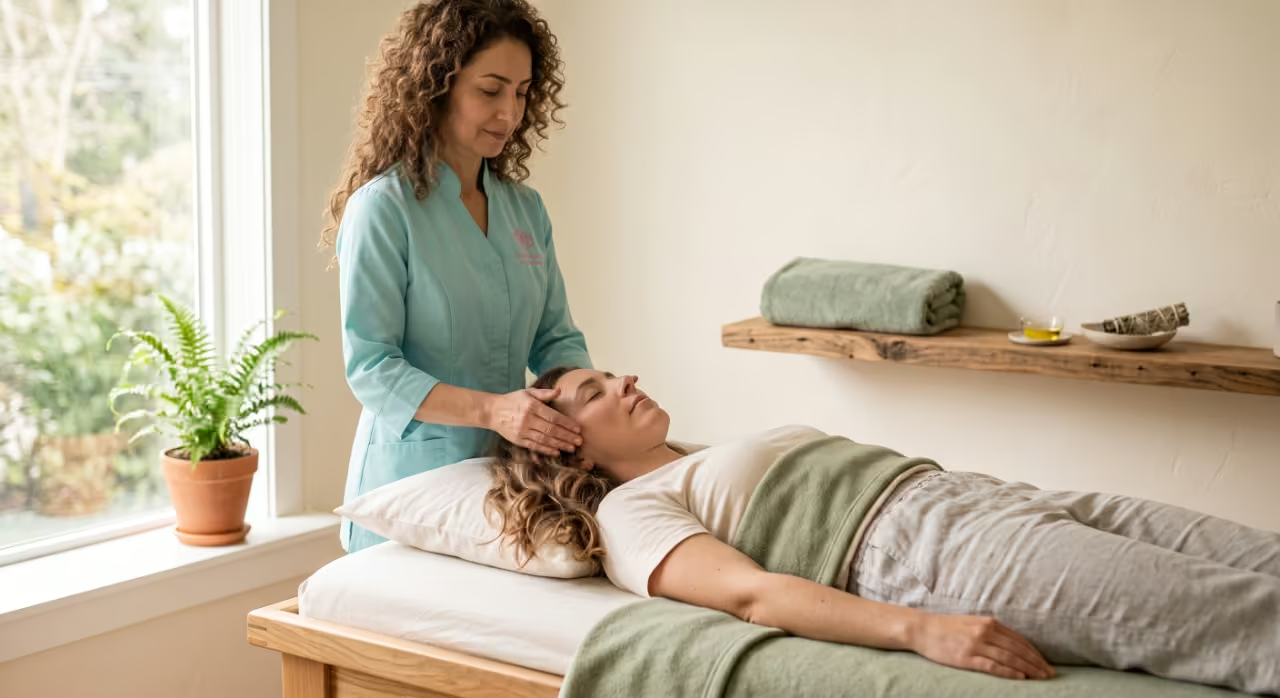
- You lie on your back, fully clothed, in a warm, quiet room, with a blanket if you like.
- Lida places her hands gently on or just above the body.
- Slow, soothing touch to the scalp, arms, hands and feet, with a light oil on hands and feet if you'd like.
- A gentle gua sha facial with a smooth stone.
- A few quiet minutes before you get up.
What might you feel?
Everyone's experience is different. People often describe:
- deep calm and slowing down;
- warmth, tingling or a sense of heaviness;
- drifting off to sleep;
- simply resting, which is completely fine.
There's nothing you need to "do" or believe.
What Reiki is, and isn't
It is a gentle, restful relaxation practice many people enjoy for stress and switching off.
It isn't a medical or therapeutic treatment. It doesn't diagnose or treat conditions, and it doesn't replace medical care or counselling. Research on Reiki is limited, and we describe it only as a relaxation service.
How should you prepare?
- Wear comfortable clothes; you'll stay dressed.
- Arrive a few minutes early to settle.
- Tell Lida about any oil allergies or areas to avoid.
- Afterwards, give yourself a little unhurried time and drink some water.
Other Reiki options
Lida also offers, or will soon offer (waitlist):
Where to book
Reiki with Gentle Massage is bookable with Lida at our Yaletown clinic, close to Olympic Village and Mount Pleasant. Lida speaks English and Farsi. See also stress and anxiety and sleep problems.
Frequently asked questions
Do I undress for Reiki?
No. You stay fully clothed.
Do I need to believe in Reiki?
No. Just come and rest.
Is Reiki massage?
Classic Reiki isn't massage; our session combines Reiki with gentle touch.
How often should I book?
Whenever you need to switch off; many people come monthly.
Is it covered by insurance?
No. It's a relaxation service.
Sources
- NCCIH — Reiki (nccih.nih.gov)
- Joyce J, Herbison GP. Reiki for depression and anxiety. Cochrane Database Syst Rev. 2015. (pmc.ncbi.nlm.nih.gov)
Information on this site is general and isn't a substitute for advice from your physician.
Related to this article
Body Wellness
Reiki Healing with Gentle Massage
Reiki Healing with Gentle Massage is a 60-minute, fully clothed relaxation session that combines Reiki with soothing touch to the scalp, arms, hands and feet and a gentle gua sha facial. At Flourish TCM Clinic in Yaletown, Vancouver, it costs $170 with Lida Fazlinejad (Lida Fazli), certified Reiki practitioner.
Body Wellness
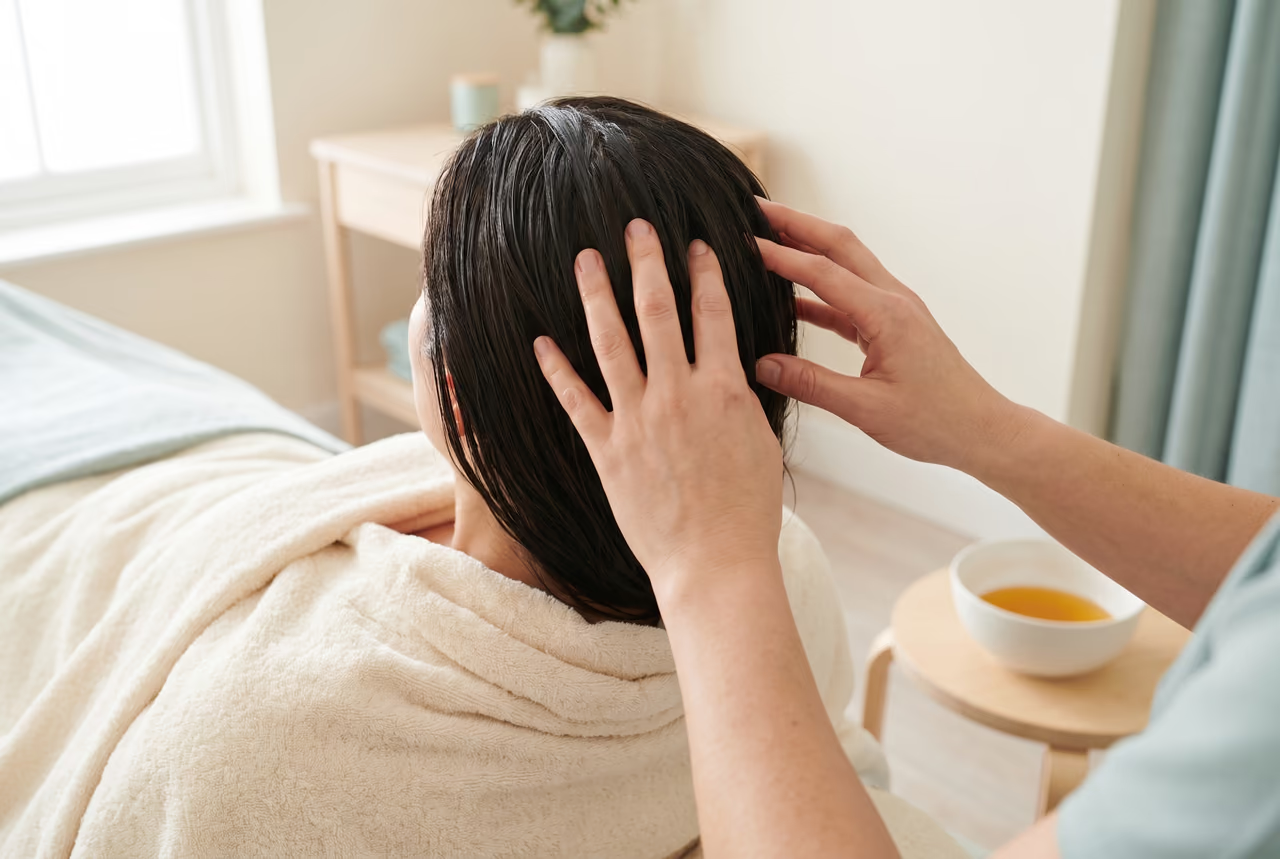
Ayurvedic Indian Head Massage with Reiki
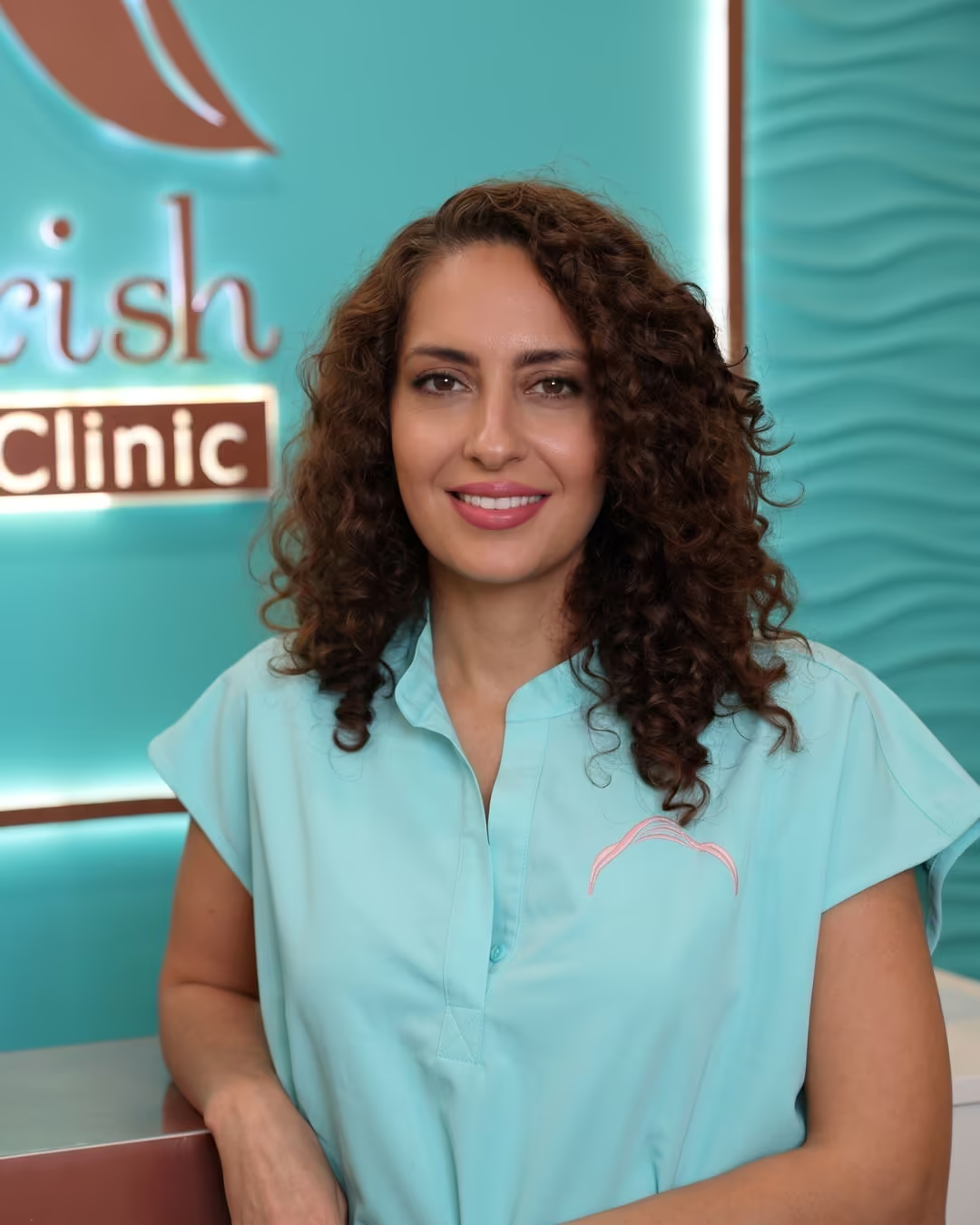
The Ayurvedic Indian Head Massage with Reiki is a relaxing treatment for the scalp, face, neck and shoulders, based on a traditional Indian head massage technique and infused with Reiki. It's offered by Lida Fazlinejad (Lida Fazli) at Flourish TCM Clinic in Yaletown. Appointments aren't open yet; join the waitlist.
Body Wellness
Distance Reiki
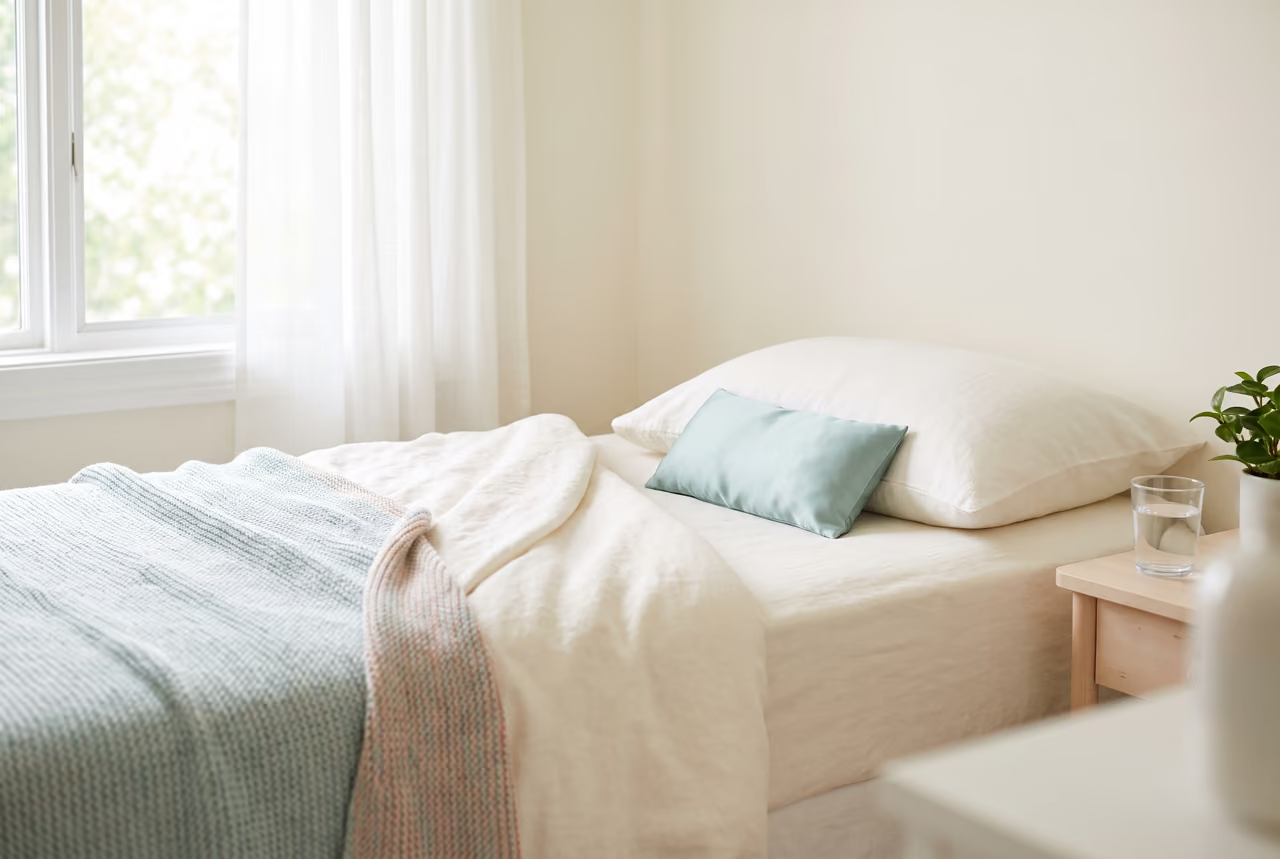
Distance Reiki is a remote relaxation session in which Lida Fazlinejad (Lida Fazli), certified Reiki practitioner, offers Reiki at an agreed time while you rest at home. It's available through Flourish TCM Clinic. Sessions aren't open yet; join the waitlist.