Acupuncture for Stress and Anxiety: How Sessions Help You Settle
How stress shows up in the body, how TCM views it, what research says about acupuncture for anxiety, and calming options you can book now.

 Written byFlourish TCM ClinicTraditional Chinese Medicine & skin care · Yaletown, Vancouver
 Reviewed byTabasom (Tabi) Mirshahi, R.TCM.P., R.Ac.
Acupuncture for Stress and Anxiety: How Sessions Help You Settle
Stress shows up in the body as tight shoulders, poor sleep, headaches and digestive upset. Many people find acupuncture deeply calming, and some research suggests it may help with anxiety symptoms, although study quality varies. It works alongside, not instead of, counselling or medical care. If anxiety is severe or constant, talk to your doctor too.
How does stress show up in the body?
Short-term stress is a normal response. When it's constant, it often shows up as:
- tight neck, shoulders and jaw;
- trouble falling or staying asleep;
- headaches;
- digestive changes, such as bloating or appetite changes;
- low energy, irritability, feeling "wired but tired."
See stress and anxiety.
How does TCM view stress and anxiety?
Traditional Chinese Medicine links stress and irritability to Liver Qi stagnation, meaning energy that isn't flowing smoothly. It links anxiety, restlessness and poor sleep to the Heart and Shen (spirit). Treatment aims to move stagnation and calm the spirit, using points on the head, hands, feet and ears. Many people describe acupuncture as a deep, quiet rest.
What does research say?
Some systematic reviews suggest acupuncture may reduce anxiety symptoms compared with no treatment or usual care, but many studies are small or of limited quality. We present acupuncture as a calming, supportive option, not a replacement for counselling, medication or other care your doctor recommends.
What does a session feel like?
After a short assessment, fine needles are placed at chosen points, often including calming points like those on the ear. You rest for about 20–30 minutes in a quiet room. Many people doze off. Afterwards, most feel calm, and some feel pleasantly sleepy. See Does Acupuncture Hurt?
Calming options you can book now
While acupuncture is on the waitlist:
- Reiki with Gentle Massage: a quiet, fully clothed relaxation session.
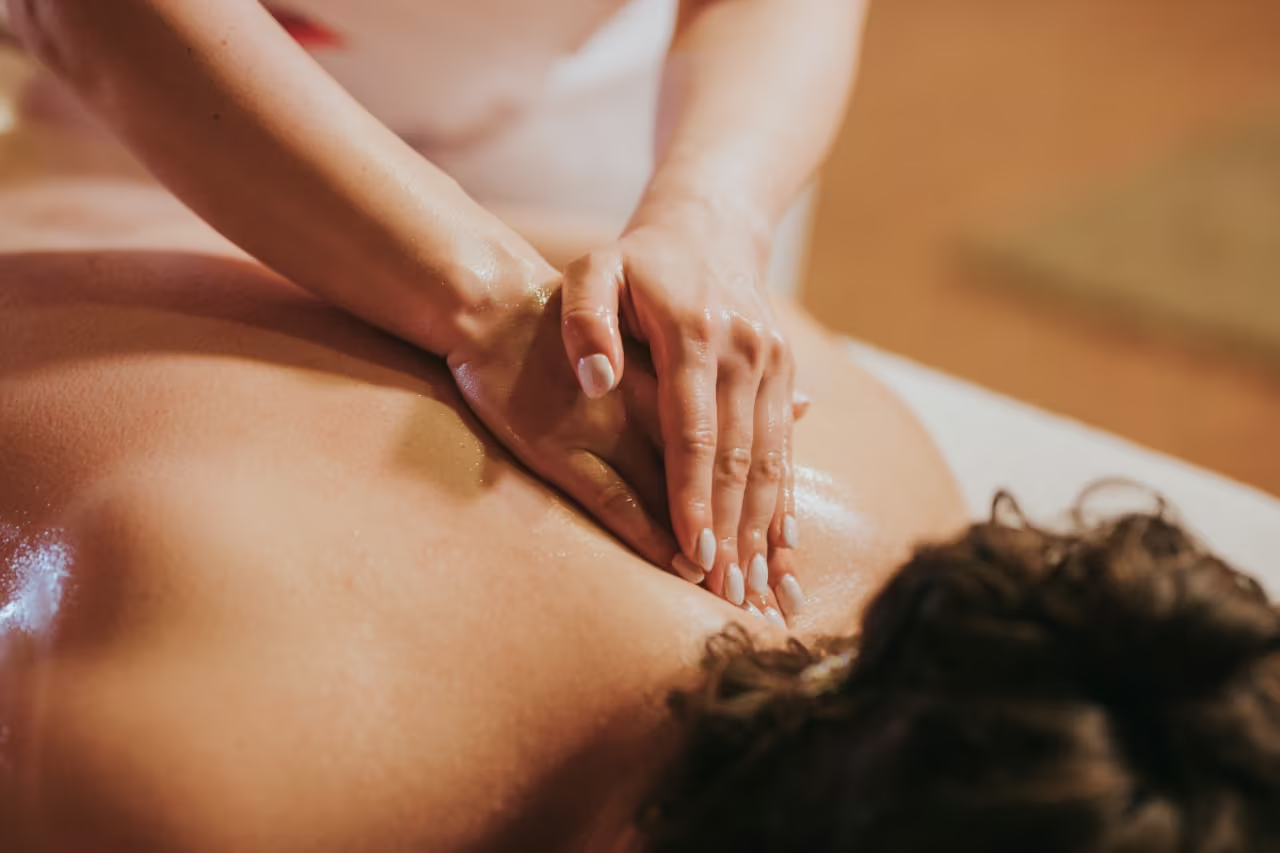
- Relaxation Massage: full-body unwinding.
- TuiNa & DDS Acupressure Massage: releases physical tension held in the body.
Also try Five-Minute Acupressure Points for Stress at Your Desk.
Everyday habits that help
- Regular sleep and wake times.
- Movement, especially outdoors. Vancouver's seawall is a gift.
- Slow breathing: a few minutes of longer exhales.
- Less caffeine and alcohol.
- Talking to someone you trust.
When to get more help
Talk to your doctor if anxiety is constant, causes panic attacks, stops you doing everyday things, or comes with low mood. If you're thinking about suicide or are in crisis, call or text 9-8-8 (Suicide Crisis Helpline, available 24/7 across Canada), or call 911.
Where to book
Relaxation services are bookable at our Yaletown clinic, a calm space close to False Creek and the West End. Our team speaks English and Farsi.
Frequently asked questions
Can acupuncture help anxiety?
Some research suggests it may, and many people find it calming.
How many sessions for stress?
Often weekly at first, reviewed as you go.
Is acupuncture a replacement for therapy?
No. It can sit alongside counselling and medical care.
What can I book today?
Reiki, relaxation massage, or TuiNa & DDS.
Can I book acupuncture now?
It's on a waitlist.
Sources
- Jang A, et al. Acupuncture for Anxiety: A Systematic Review and Meta-Analysis of Randomized Controlled Trials. J Clin Psychol. 2026. (pubmed.ncbi.nlm.nih.gov)
- Li M, et al. Efficacy of acupuncture for generalized anxiety disorder: A PRISMA-compliant systematic review and meta-analysis. Medicine (Baltimore). 2022. (pmc.ncbi.nlm.nih.gov)
- 9-8-8 Suicide Crisis Helpline (Public Health Agency of Canada) (988.ca)
Information on this site is general and isn't a substitute for advice from your physician.
Related to this article

Body Wellness
Acupuncture
Acupuncture is a Traditional Chinese Medicine treatment in which a registered acupuncturist places fine, sterile needles at specific points on the body. At Flourish TCM Clinic in Yaletown, Vancouver, a 45-minute session costs $170. Appointments open once a registered acupuncturist joins our team; join the waitlist.
Body Wellness
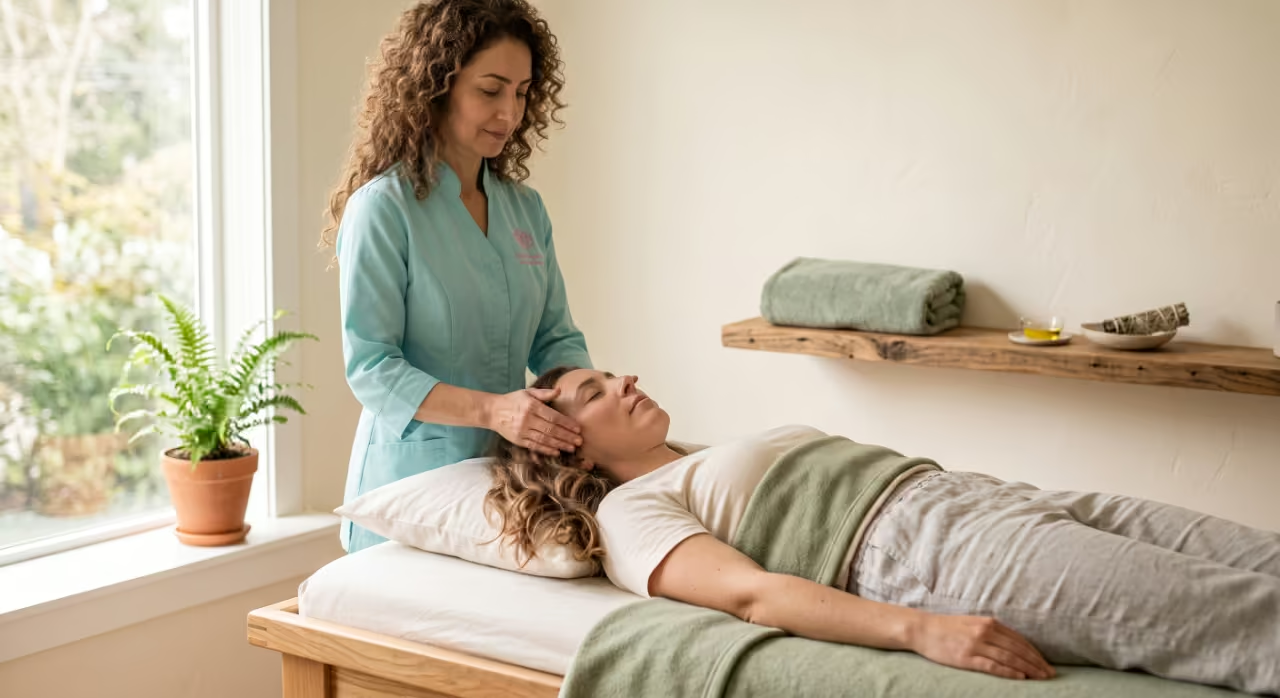
Reiki Healing with Gentle Massage
Reiki Healing with Gentle Massage is a 60-minute, fully clothed relaxation session that combines Reiki with soothing touch to the scalp, arms, hands and feet and a gentle gua sha facial. At Flourish TCM Clinic in Yaletown, Vancouver, it costs $170 with Lida Fazlinejad (Lida Fazli), Certified Reiki Practitioner.

Body Wellness
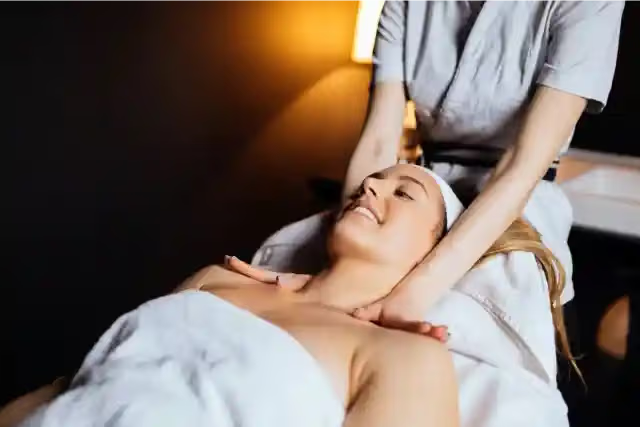
Relaxation Massage
Relaxation Massage is a calming, Swedish-style full-body massage using long, flowing strokes to help you unwind. At Flourish TCM Clinic in Yaletown, Vancouver, it's $170 for 60 minutes or $250 for two hours, with Amir Norouzi. It is a relaxation service, not registered massage therapy.
Body Wellness
TuiNa & DDS Acupressure Massage
TuiNa & DDS Acupressure Massage combines TuiNa, a Chinese massage technique that works along the meridians and acupressure points, with the DDS Bio-Current system's gentle micro-current. At Flourish TCM Clinic in Yaletown, Vancouver, it's $110 for 30 minutes or $170 for 60 minutes, with Amir Norouzi.