Low Energy and Burnout: What TCM Calls Qi Deficiency
What TCM means by Qi deficiency, common signs, TCM lifestyle advice for low energy, and when fatigue needs a medical check.

 Written byFlourish TCM ClinicTraditional Chinese Medicine & skin care · Yaletown, Vancouver
 Reviewed byTabasom (Tabi) Mirshahi, R.Ac., R.TCM.P.
Low Energy and Burnout: What TCM Calls Qi Deficiency
In Traditional Chinese Medicine, Qi deficiency means your vital energy is running low. It's often described as tiredness, weak digestion, feeling cold and catching colds easily. TCM links it to overwork, poor sleep, irregular eating and long-term stress, much like modern burnout. Ongoing fatigue can also have medical causes, so check with your doctor first.
What is Qi deficiency?
Qi is TCM's term for the vital energy that warms, moves and protects the body. When there isn't enough, TCM calls it Qi deficiency. It most often involves:
- the Spleen system (digestion and turning food into energy);
- the Lung system (breathing, and protection against colds);
- the Kidney system (constitution and deep reserves), in long-standing cases.
Common signs
TCM practitioners look for patterns like:
- tiredness, especially after effort or in the afternoon;
- a weak voice, or shortness of breath on exertion;
- poor appetite, bloating after meals, loose stools;
- feeling cold, with cold hands and feet;
- catching colds easily;
- a pale tongue, sometimes with teeth marks on the edges.
Why does it happen, in TCM terms?
Overwork without rest, irregular or cold meals, worry and stress, poor sleep, illness, and life stages such as after childbirth are all seen as draining Qi. It's a familiar picture for anyone who's pushed through a long stretch of work or caregiving.
TCM lifestyle advice for low energy
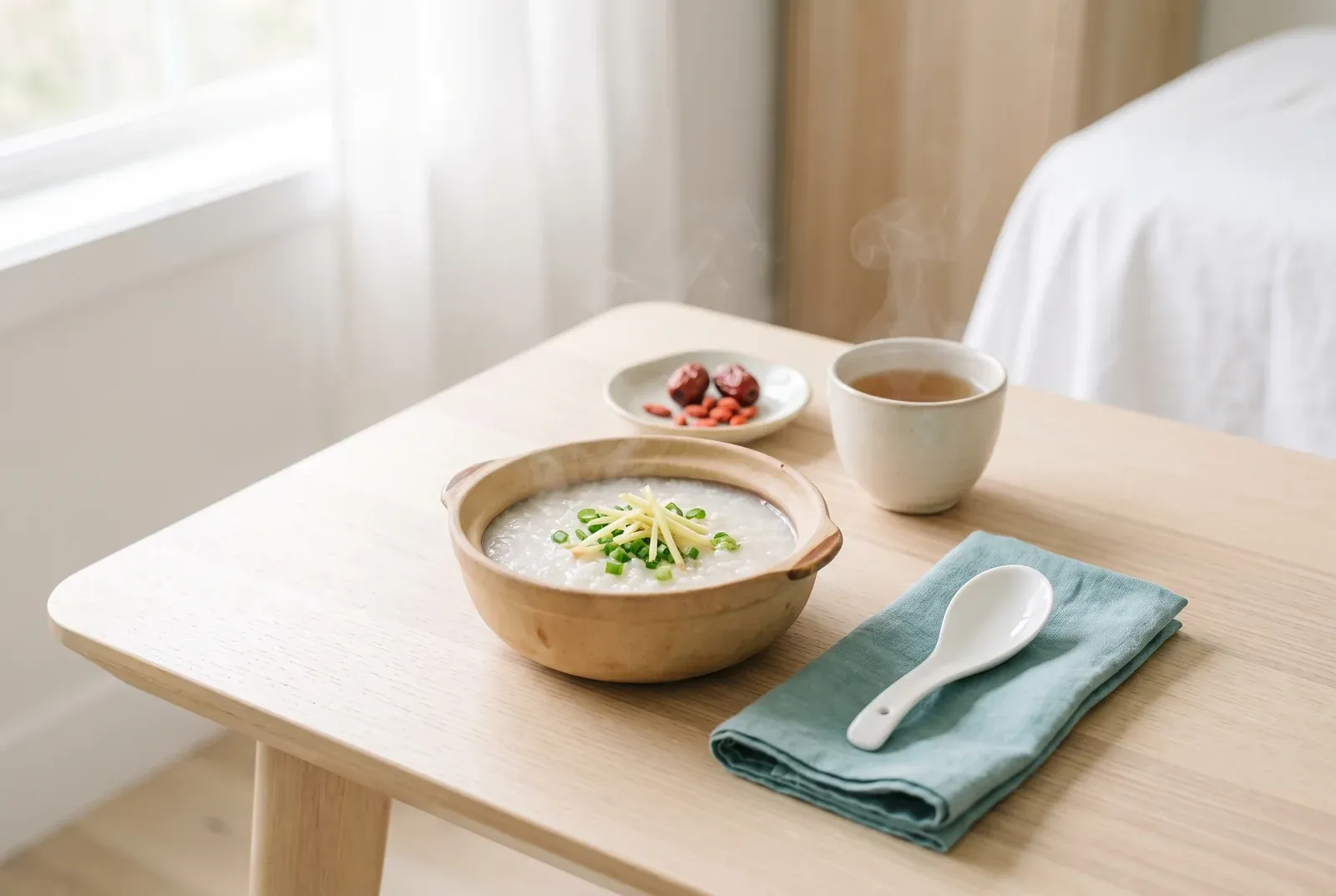
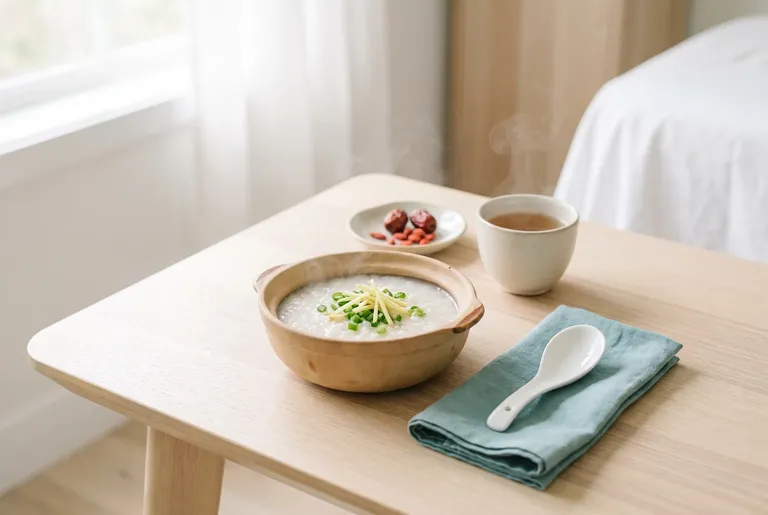
- Eat warm, cooked, regular meals. TCM sees the digestion as the source of daily Qi. Soups, stews, congee and root vegetables are favourites.
- Don't skip breakfast.
- Rest before you're exhausted. Short breaks through the day.
- Gentle movement, such as walking, tai chi or qigong, rather than draining workouts.
- Sleep earlier, especially in winter.
- Keep warm, particularly the lower back and feet.
- Manage worry, which TCM links to the Spleen.
How can treatment support you?
- TuiNa & DDS Acupressure Massage (bookable): invigorating acupressure.
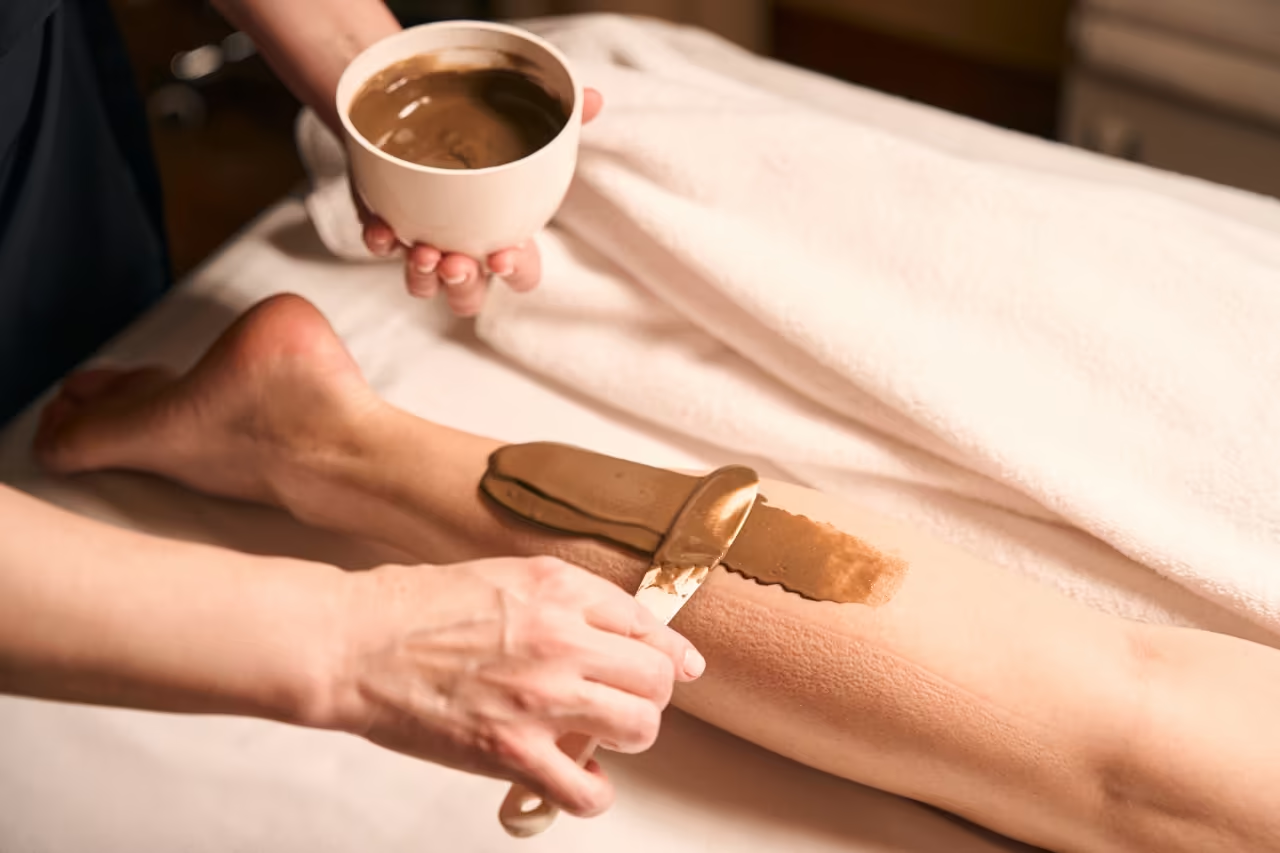
- Chinese Medicine Mud Therapy (bookable): warmth, used in TCM for "cold" and deficiency.
- Reiki with Gentle Massage (bookable): deep rest.
- Acupuncture (waitlist): points chosen to "tonify" Qi.
When fatigue needs a medical check
See a doctor for fatigue lasting more than a few weeks, especially with unexplained weight change, fever, night sweats, shortness of breath, very heavy periods, low mood, or feeling unwell after light activity. Blood tests can find common, treatable causes such as iron deficiency or thyroid problems. See low energy and fatigue.
Where to book
Warming and restorative treatments are bookable at our Yaletown clinic, easy to reach from North Vancouver and Burnaby.
Frequently asked questions
Is Qi deficiency the same as burnout?
They overlap in description, but Qi deficiency is a TCM pattern and burnout is a work-related stress syndrome.
What foods build Qi in TCM?
Warm, cooked foods like soups, congee, root vegetables and a little lean protein.
Can acupuncture help fatigue?
Some people find it helpful; see a doctor first to rule out medical causes.
Is exercise bad for Qi deficiency?
Gentle movement helps; very intense training can drain you if you're depleted.
Which treatment should I start with?
TuiNa & DDS if you feel tense and tired; mud therapy or Reiki if you need warmth and rest.
Sources
- Hsu CH, et al. The Relationship between Qi Deficiency, Cancer-related Fatigue and Quality of Life in Cancer Patients. J Tradit Complement Med. 2012. (pmc.ncbi.nlm.nih.gov)
- MedlinePlus (NIH) — Fatigue (medlineplus.gov)
- World Health Organization — Burn-out an "occupational phenomenon": International Classification of Diseases (who.int)
Information on this site is general and isn't a substitute for advice from your physician.
Related to this article

Body Wellness
Acupuncture
Acupuncture is a Traditional Chinese Medicine treatment in which a registered acupuncturist places fine, sterile needles at specific points on the body. At Flourish TCM Clinic in Yaletown, Vancouver, a 45-minute session costs $170. Appointments open once a registered acupuncturist joins our team; join the waitlist.
Body Wellness
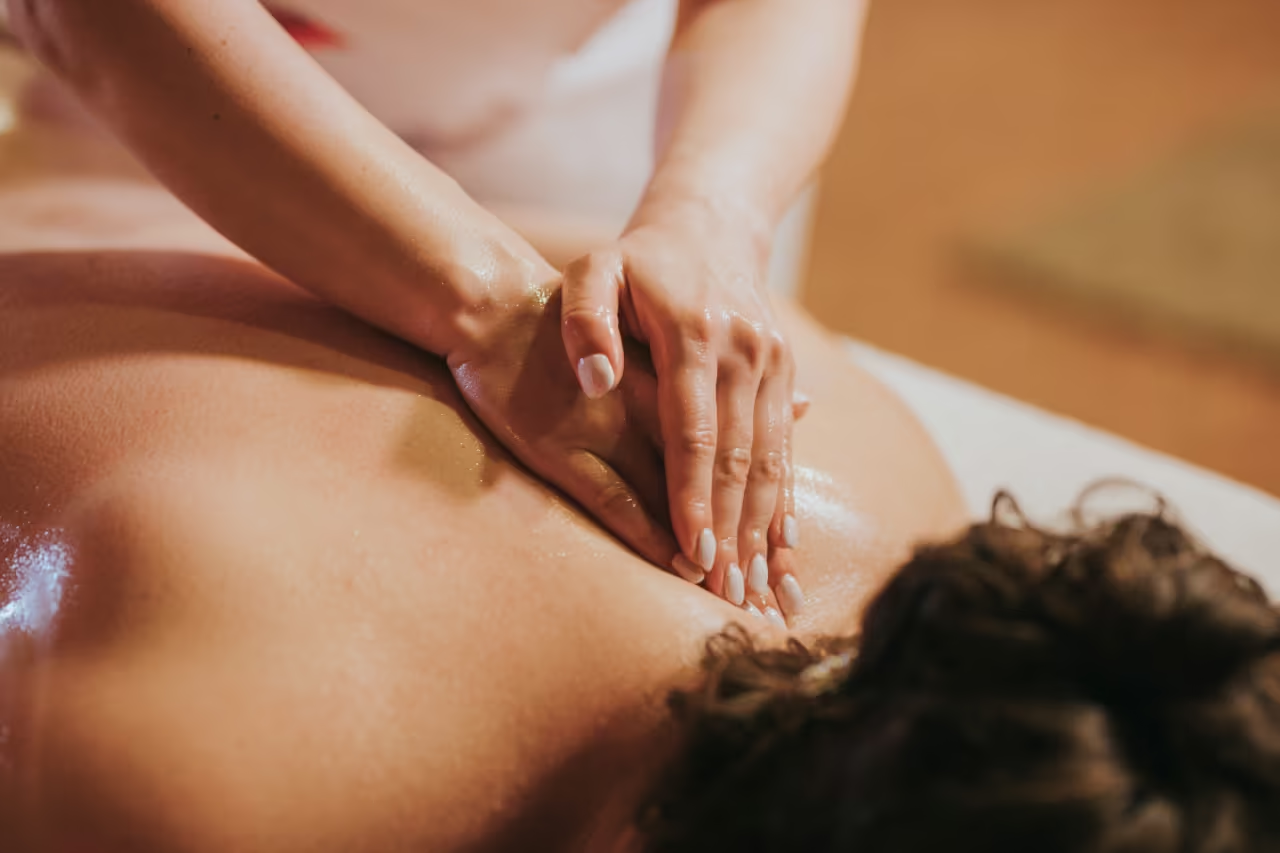
TuiNa & DDS Acupressure Massage
TuiNa & DDS Acupressure Massage combines TuiNa, a Chinese massage technique that works along the meridians and acupressure points, with the DDS bio-current system's gentle micro-current. At Flourish TCM Clinic in Yaletown, Vancouver, it's $110 for 30 minutes or $170 for 60 minutes, with Amir Norouzi.
Body Wellness
Chinese Medicine Mud Therapy
Chinese Medicine Mud Therapy applies a warm mineral mud, at body temperature, to areas of the body such as the back, shoulders or joints. At Flourish TCM Clinic in Yaletown, Vancouver, it's $150 for 30 minutes, or $260 for 90 minutes combined with DDS acupressure massage, with Amir Norouzi or Mehri Abedi.


Body Wellness
Reiki Healing with Gentle Massage
Reiki Healing with Gentle Massage is a 60-minute, fully clothed relaxation session that combines Reiki with soothing touch to the scalp, arms, hands and feet and a gentle gua sha facial. At Flourish TCM Clinic in Yaletown, Vancouver, it costs $170 with Lida Fazlinejad (Lida Fazli), certified Reiki practitioner.