Soreness 24–72 hours after hard or new exercise is normal. Tightness, overuse strain and slow recovery are common in runners, lifters, cyclists and climbers.
Pain & recovery concern
Sports Recovery & Muscle Soreness
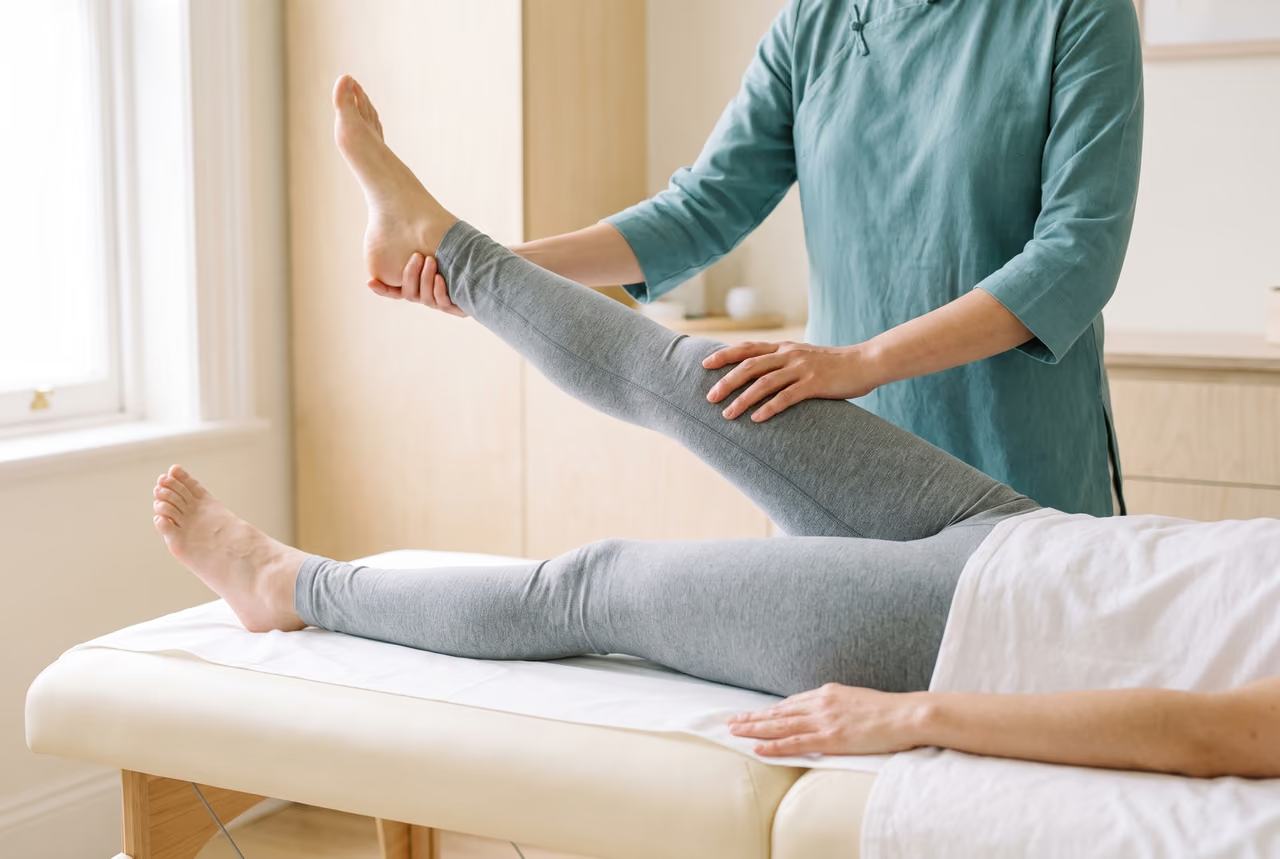
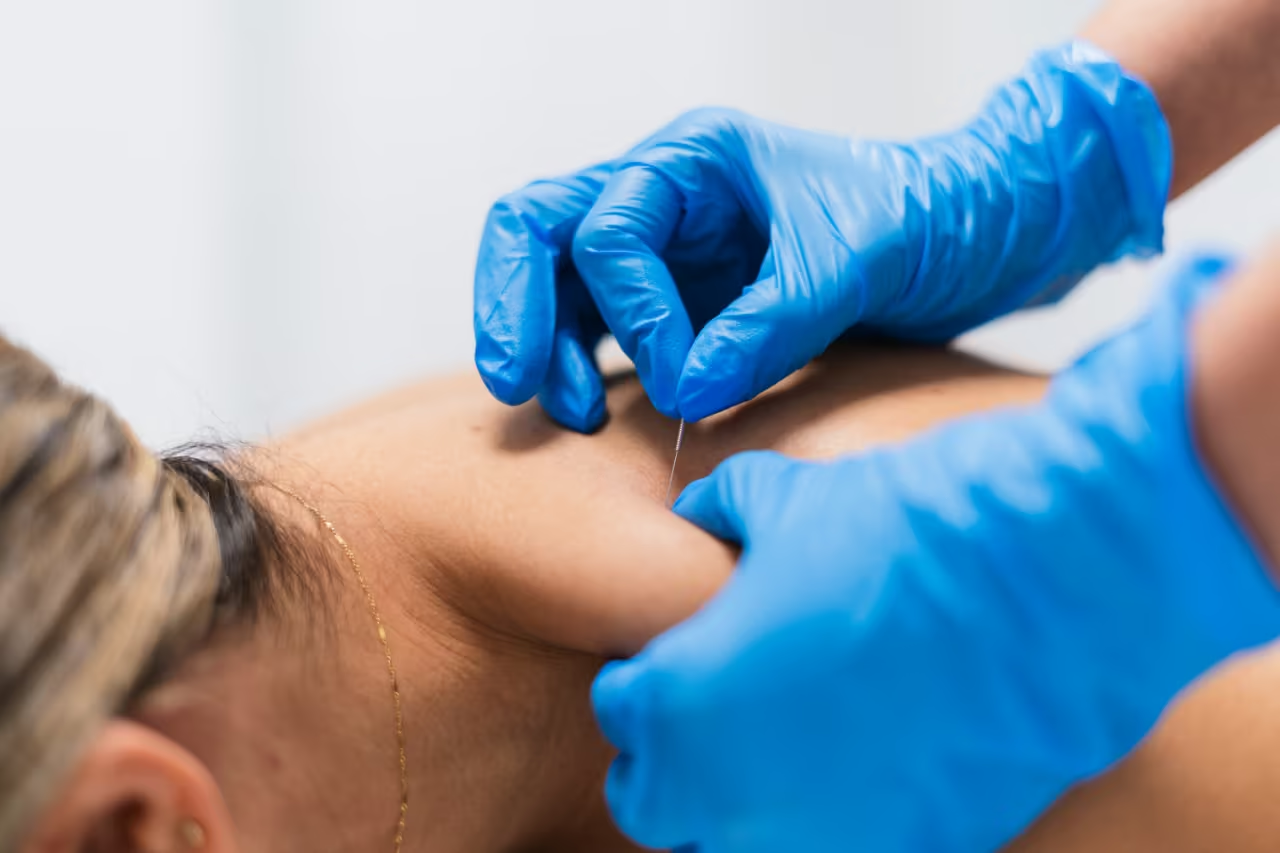
After training, muscles can feel sore and tight for a day or two (delayed-onset muscle soreness). At Flourish TCM Clinic in Yaletown, Vancouver, active people book TuiNa & DDS Acupressure Massage and Lymphatic Drainage Massage now, with cupping and acupuncture on the waitlist.
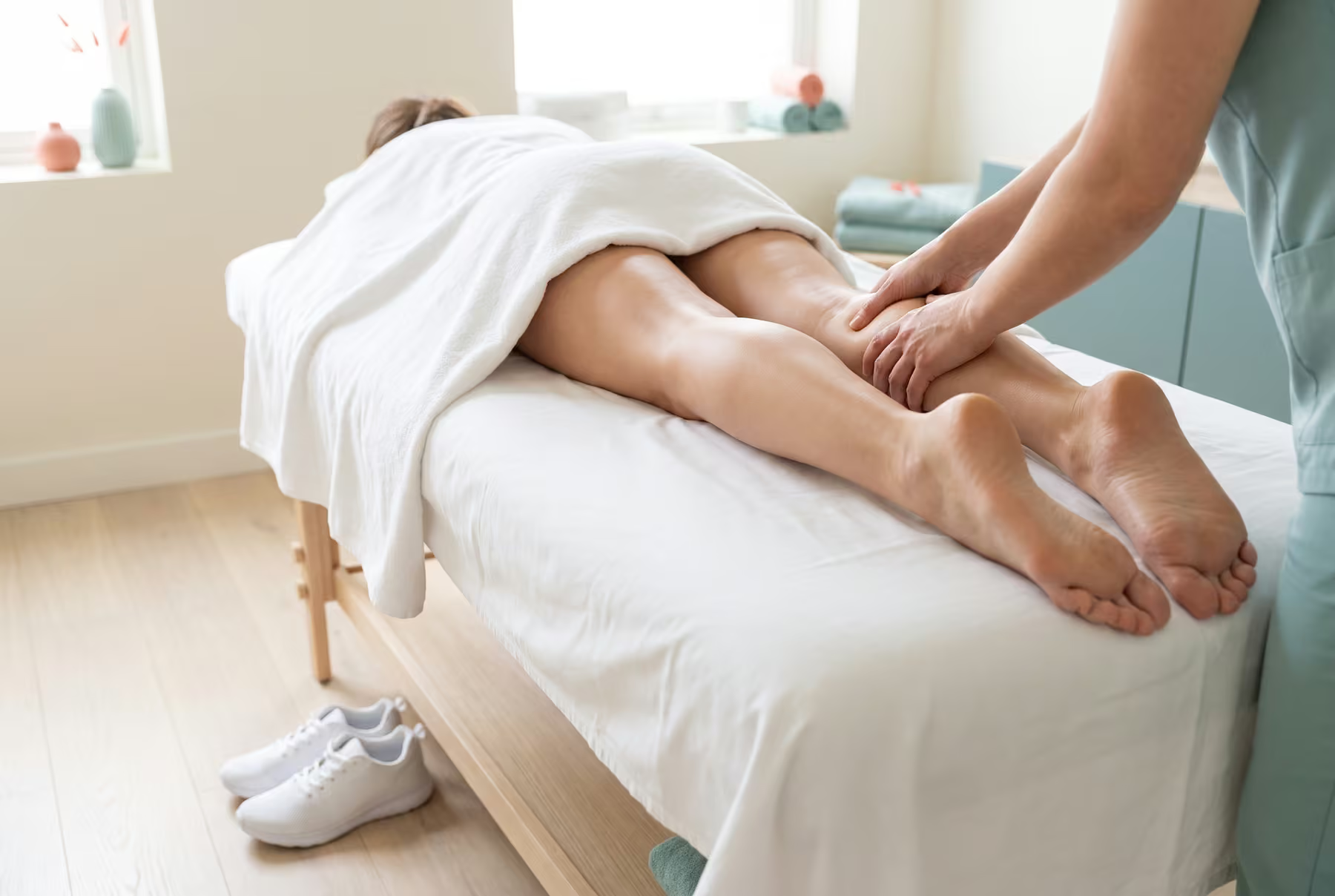
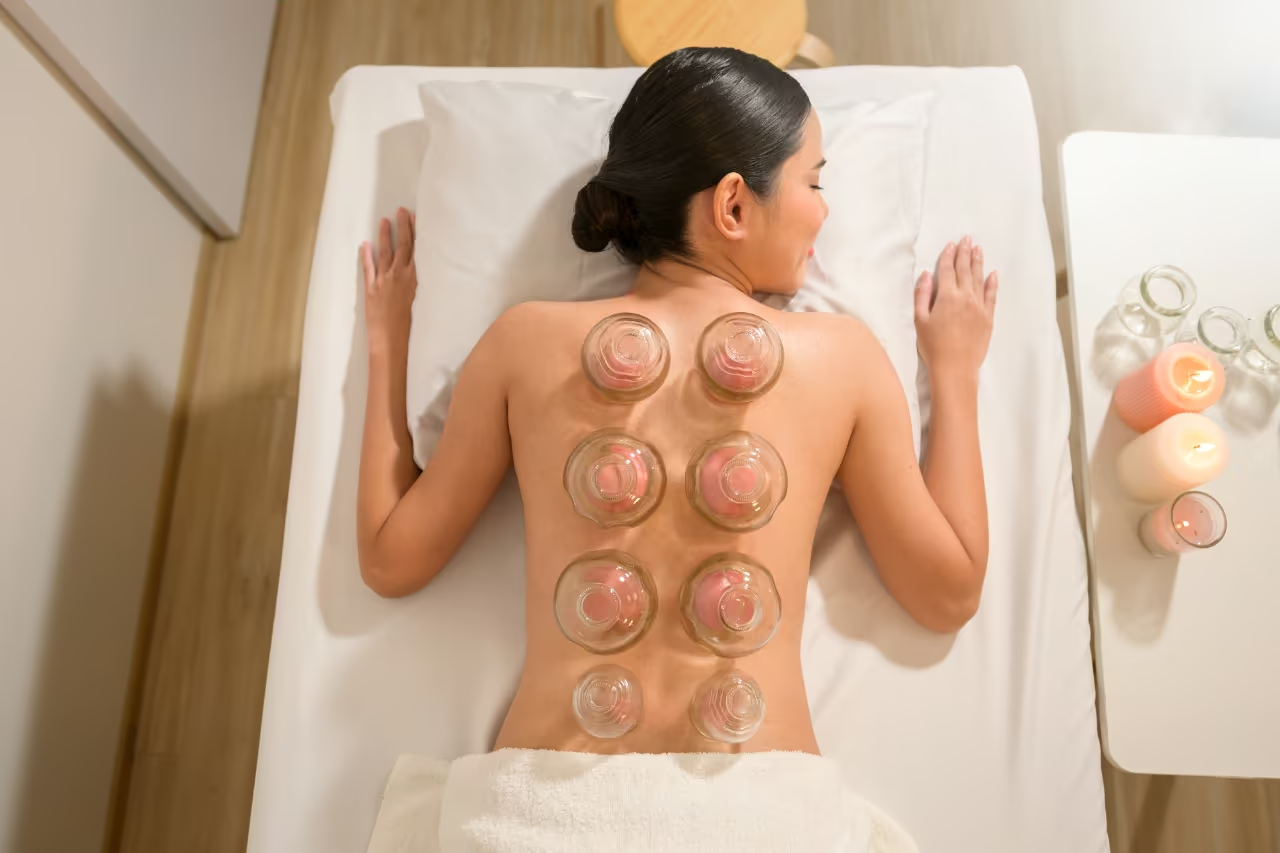
TCM sees soreness as stagnation of Qi and blood in the muscles after exertion. Bodywork and cupping aim to move it.
Treatments that may help
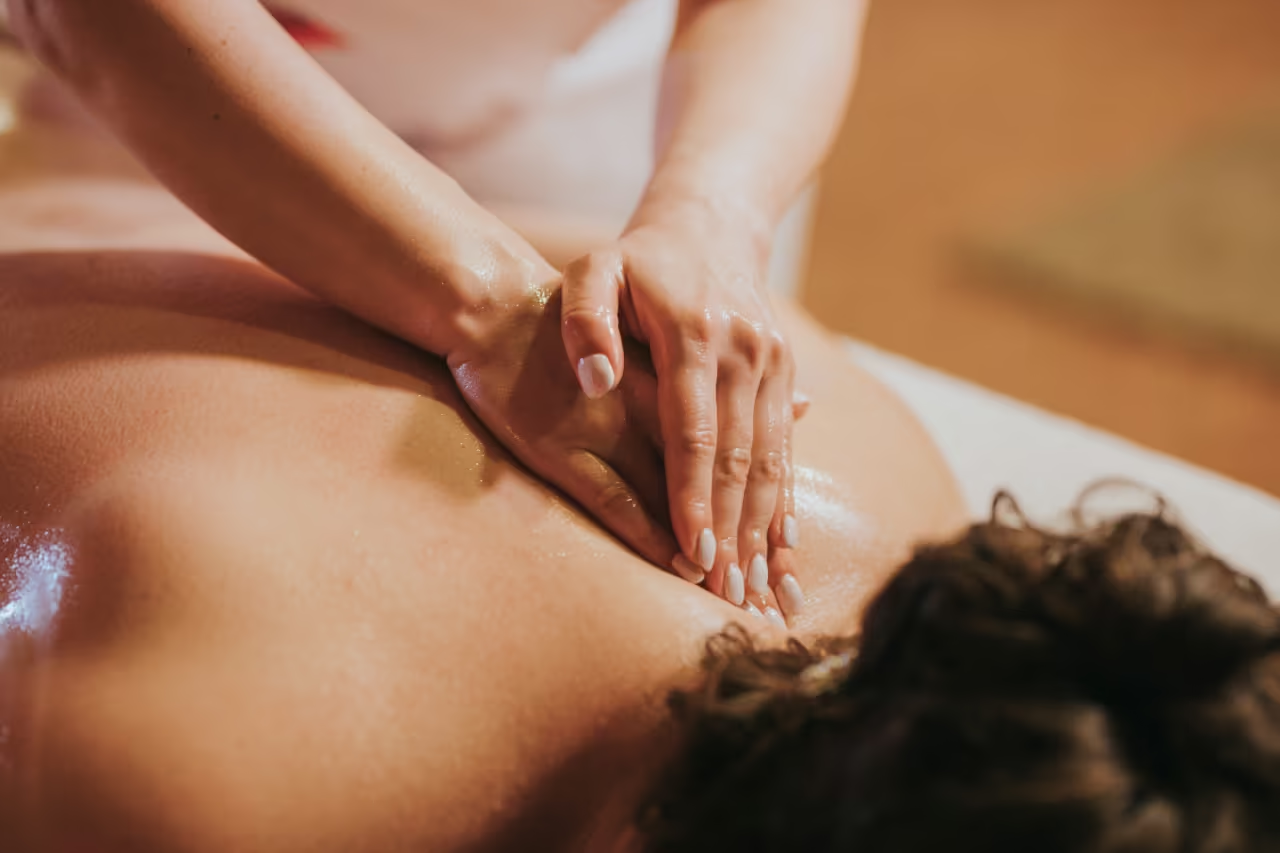
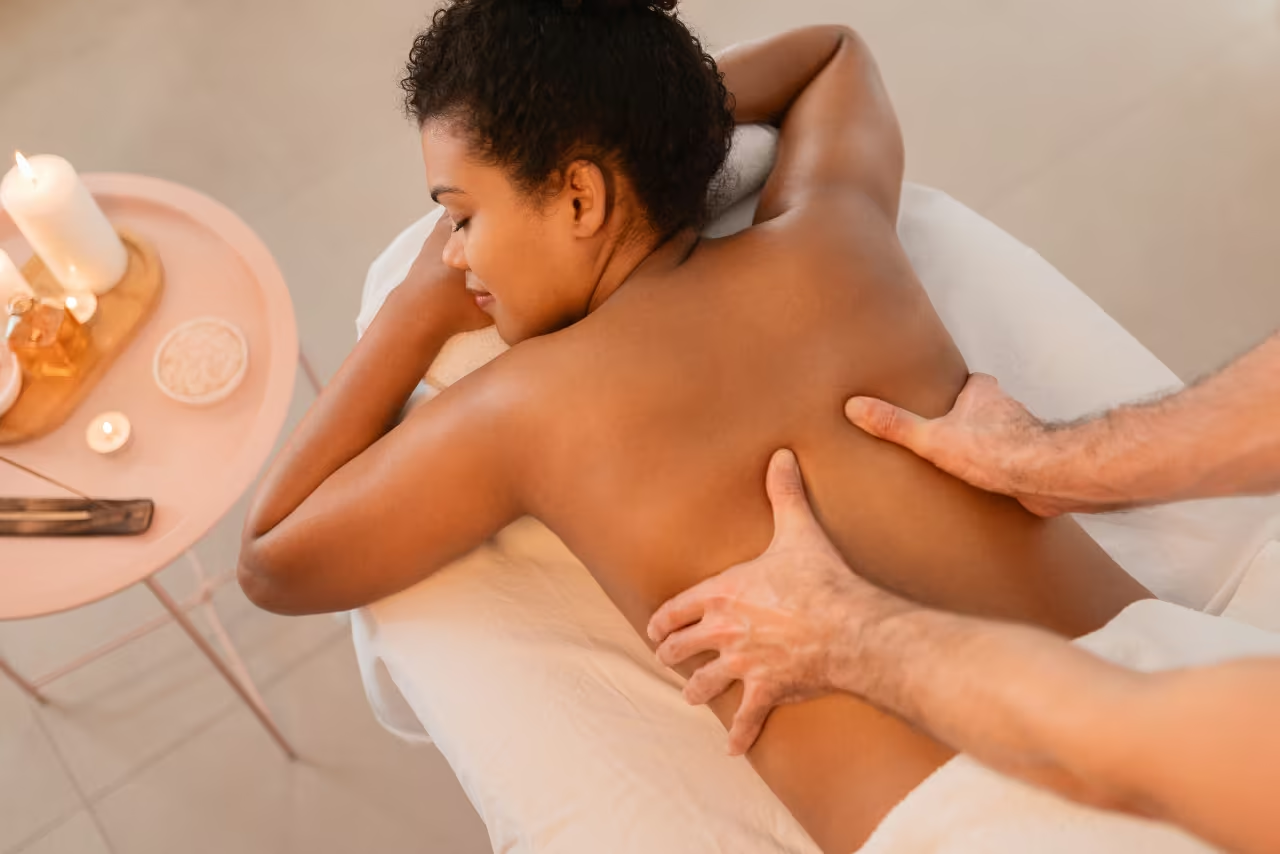
What to expect
Many people feel looser after a session. Sleep, fuelling and gradual training loads matter most for recovery.
Terms to know
Full glossaryGlossary

Acupoints
TCMAcupoints are specific points on the body, mostly along the meridians, that are stimulated with needles, finger pressure or low-level laser.
Glossary
Meridians
TCMMeridians are the channels through which, in TCM, Qi and blood are understood to flow, connecting the body's surface with its organ systems.
Glossary
Qi
TCMIn TCM, Qi (pronounced "chee") is the vital energy understood to flow through the body and sustain life and function.
Related articles
 Pain Relief & Recovery3 min read
 By Flourish TCM ClinicCupping for Sports Recovery: Who Uses It and WhyWhy athletes use cupping, what research shows, how to time it around training, and what to expect from marks and aftercare.
 Reviewed byTabasom (Tabi) Mirshahi, R.Ac., R.TCM.P.
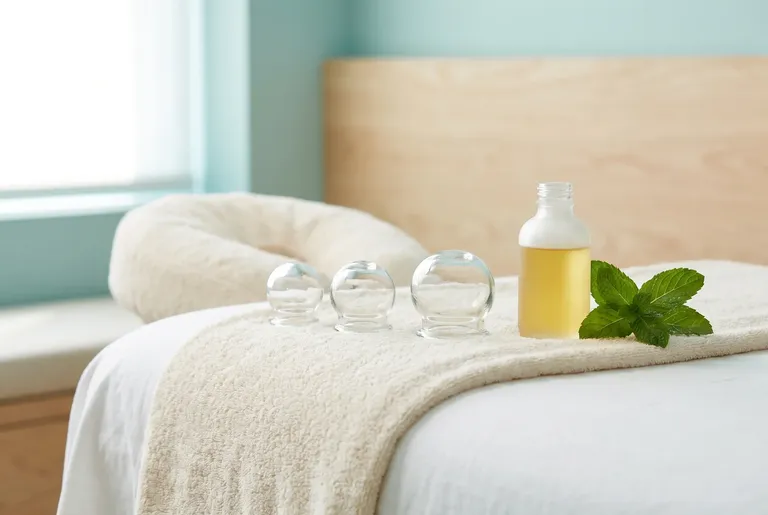 Acupuncture & TCM Basics3 min readBy Flourish TCM ClinicCupping Marks: What They Are and How Long They LastWhy cupping leaves circular marks, whether they're bruises, how long they last, and how to plan around events.Reviewed byTabasom (Tabi) Mirshahi, R.Ac., R.TCM.P.
Frequently asked questions
Should I book before or after an event?
A lighter session a few days before; recovery work a day or two after.
Why do athletes use cupping?
Many find it relieves tight muscles. The marks fade in days.
Is this physiotherapy?
No. For injuries, see a physiotherapist.
Can I get an insurance receipt?
Not for massage or TuiNa. Only acupuncture by the registered practitioner named on the receipt.