Cupping for Sports Recovery: Who Uses It and Why
Why athletes use cupping, what research shows, how to time it around training, and what to expect from marks and aftercare.

 Written byFlourish TCM ClinicTraditional Chinese Medicine & skin care · Yaletown, Vancouver
 Reviewed byTabasom (Tabi) Mirshahi, R.Ac., R.TCM.P.
Cupping for Sports Recovery: Who Uses It and Why
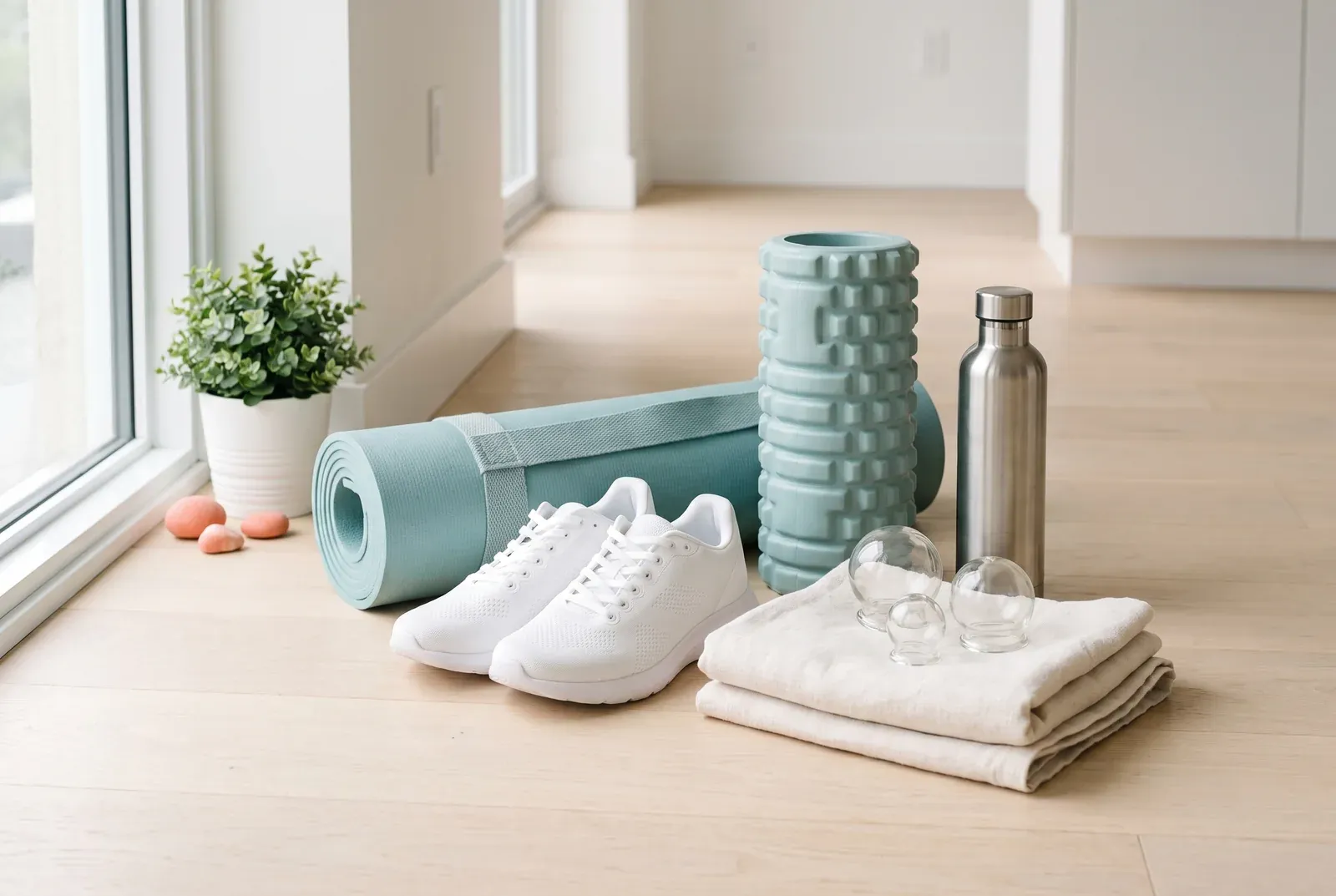
Many athletes use cupping, the suction-cup therapy from Traditional Chinese Medicine, to ease tight, sore muscles after training. It became especially visible when Olympic swimmers appeared with circular marks. Research suggests it may help perceived soreness and mobility for some people, though evidence quality is mixed. Plan around the marks, which can last a few days.
Why do athletes use cupping?
Athletes report using cupping to:
- ease muscle tightness and soreness after hard sessions;
- feel looser before competition;
- recover between training blocks.
Suction lifts skin, fascia and muscle, which is thought to increase local blood flow and ease tension. In TCM terms, cupping moves stagnant Qi and blood.
What does research show?
Systematic reviews of cupping in athletes and active people suggest it may improve perceived pain, soreness and range of motion for some people. The studies are generally small and of mixed quality, and it's hard to design a convincing placebo for cupping. Our honest take: many people like how it feels, it's low-risk when done properly, and the evidence doesn't yet support strong performance claims.
How should you time cupping around training?
- After hard sessions or competition: a day or two later is a common choice.
- Before an event: lighter work several days out, so marks and any tenderness settle.
- Not right before a key performance if you haven't had cupping before.
What about marks and aftercare?
Circular marks usually fade within about 48 hours. Keep the area warm, drink water, and skip very intense training, hot tubs and cold plunges for the rest of the day. More in Cupping Marks: What They Are and How Long They Last.
What else supports recovery?
- TuiNa & DDS Acupressure Massage for tight muscles (bookable).
- Lymphatic Drainage Massage as a light recovery session (bookable).
- Fascia Stretch for assisted stretching (waitlist).
- Sleep, fuelling and sensible training loads, which matter most.
When to see a doctor or physio
See a doctor or physiotherapist for sharp pain, a pop or snap at the time of injury, swelling or bruising after a strain, inability to bear weight, or pain that isn't easing after a week. After extremely intense exercise, dark urine with severe muscle pain and weakness needs urgent care. See sports recovery.
Cupping at Flourish
Cupping Therapy is on the waitlist; join to be contacted first. TuiNa & DDS is bookable now at our Yaletown clinic, near the seawall for runners and cyclists coming from Kitsilano and Olympic Village.
Frequently asked questions
Does cupping improve performance?
There isn't strong evidence for performance gains; people mainly use it for soreness and tightness.
Can I train after cupping?
Light activity is fine; skip very intense training that day.
Is gliding or stationary cupping better for recovery?
Both are used. Gliding covers larger muscle areas.
Will cupping help an injury?
Injuries need assessment by a physiotherapist or doctor first.
Can I book cupping now?
Cupping Therapy is on a waitlist; TuiNa & DDS is bookable.
Sources
- Bridgett R, et al. Effects of Cupping Therapy in Amateur and Professional Athletes: Systematic Review of Randomized Controlled Trials. J Altern Complement Med. 2018. (pubmed.ncbi.nlm.nih.gov)
- Mohamed AA, et al. Evidence-based and adverse-effects analyses of cupping therapy in musculoskeletal and sports rehabilitation. J Back Musculoskelet Rehabil. 2023. (pubmed.ncbi.nlm.nih.gov)
- NCCIH (NIH) — Cupping (nccih.nih.gov)
- MedlinePlus (NIH/NLM) — Rhabdomyolysis (medlineplus.gov)
Information on this site is general and isn't a substitute for advice from your physician.
Related to this article
Body Wellness
Cupping Therapy
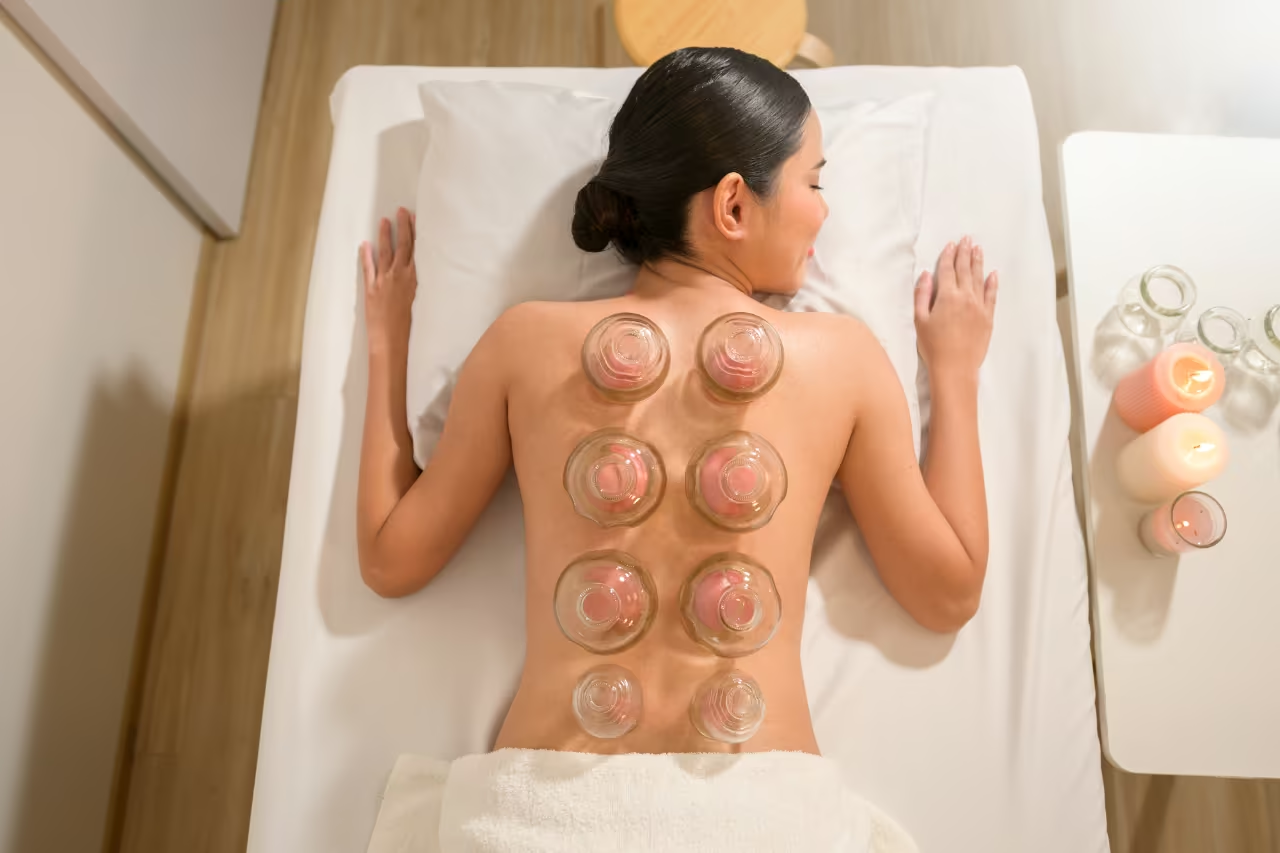
Cupping Therapy is a 30-minute Traditional Chinese Medicine treatment in which vacuum cups are applied over massage oil, to ease muscle tension and help you relax. At Flourish TCM Clinic in Yaletown, Vancouver, it costs $170. Appointments open once a registered acupuncturist joins our team.
Body Wellness
TuiNa & DDS Acupressure Massage
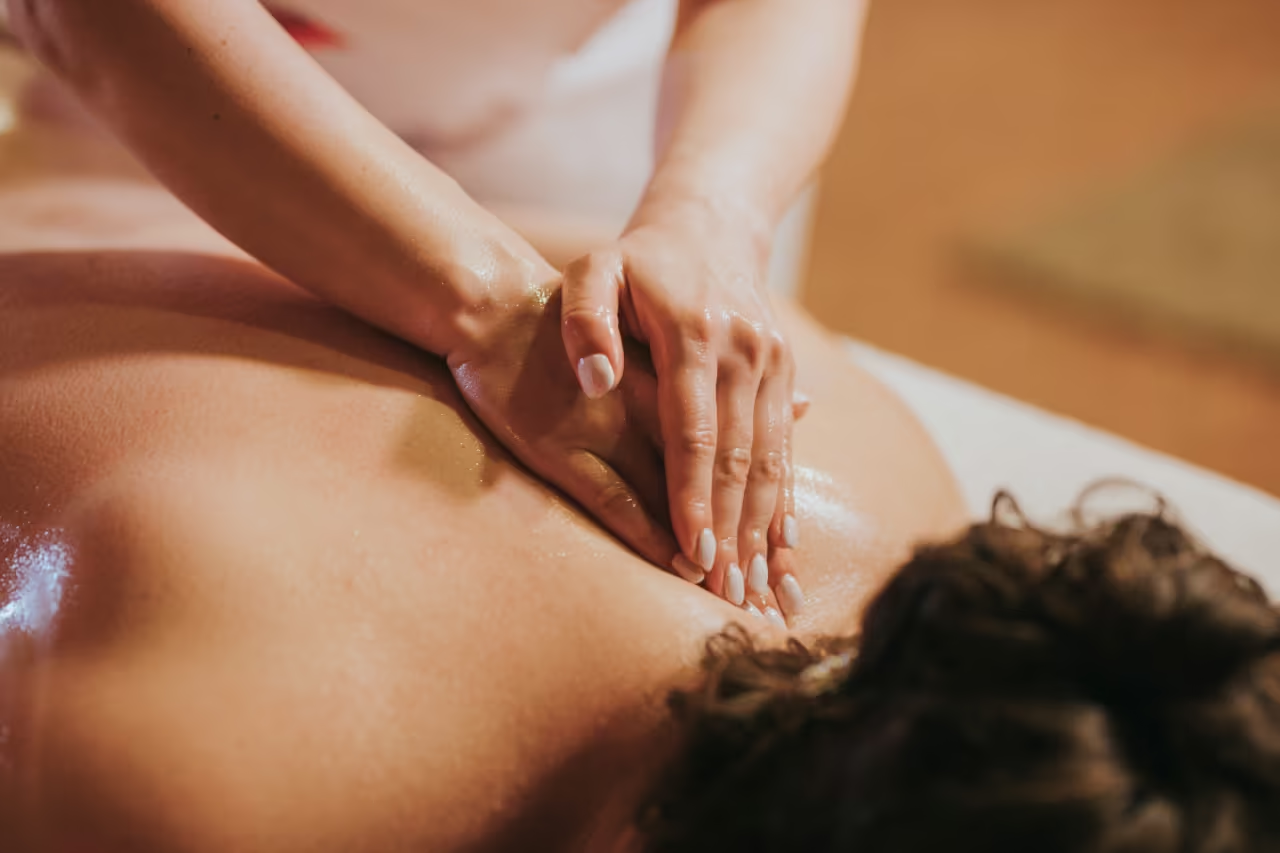
TuiNa & DDS Acupressure Massage combines TuiNa, a Chinese massage technique that works along the meridians and acupressure points, with the DDS bio-current system's gentle micro-current. At Flourish TCM Clinic in Yaletown, Vancouver, it's $110 for 30 minutes or $170 for 60 minutes, with Amir Norouzi.
Body Wellness
Lymphatic Drainage Massage
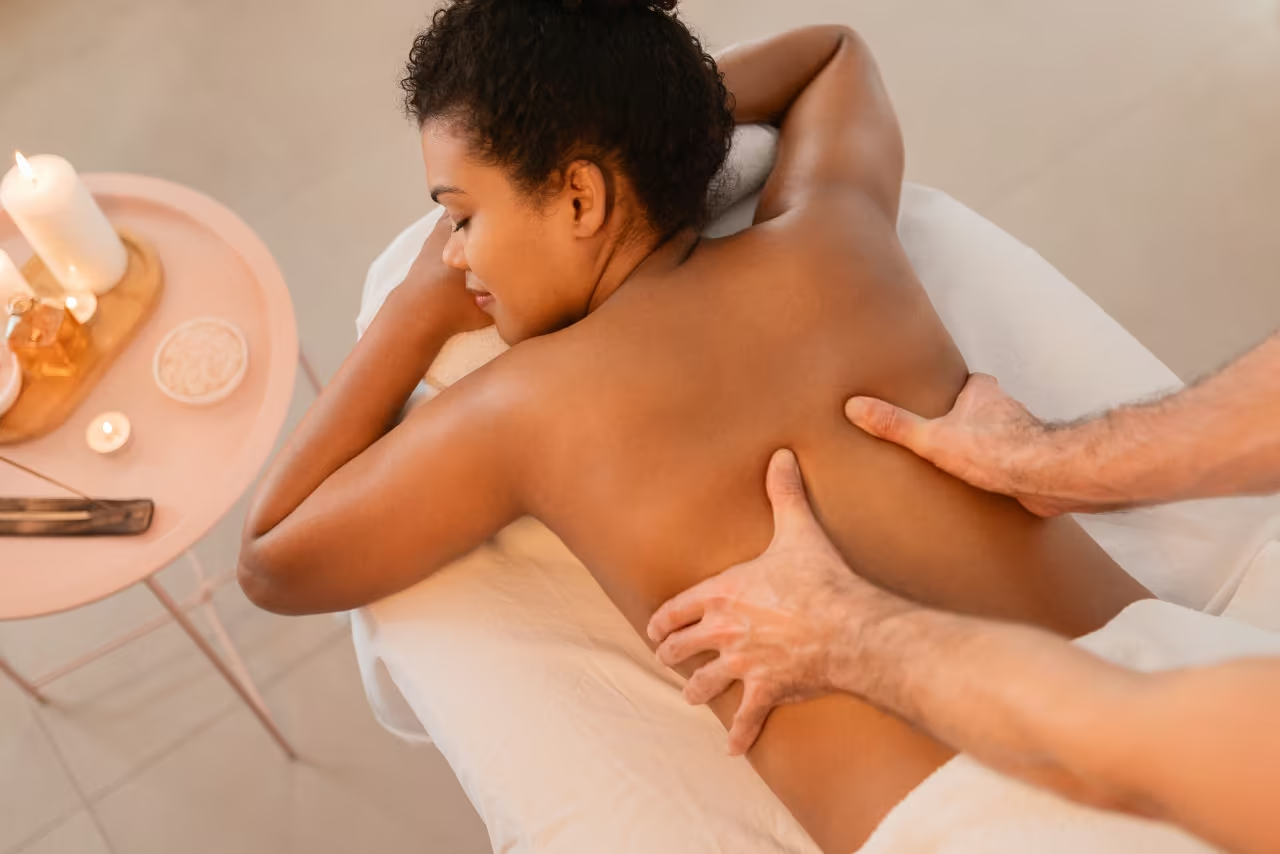
Lymphatic Drainage Massage is a gentle, rhythmic massage that uses directional strokes to support the flow of lymph fluid. People book it for swelling, puffiness and recovery after surgery, with their surgeon's clearance. At Flourish TCM Clinic in Yaletown, Vancouver, it's $170 for 60 minutes.
Body Wellness
Fascia Stretch
Fascia Stretch is a 60-minute assisted stretching and massage session aimed at tight, restricted areas, where the therapist moves you through gentle stretches while you relax. At Flourish TCM Clinic in Yaletown, Vancouver, it costs $170. Appointments aren't open yet; join the waitlist.