How Often Should You Get Lymphatic Drainage Massage?
Lymphatic drainage frequency after surgery, for puffiness and for wellbeing, plus series pricing and signs to adjust your schedule.

 Written byFlourish TCM ClinicTraditional Chinese Medicine & skin care · Yaletown, Vancouver
 Reviewed byTabasom (Tabi) Mirshahi, R.Ac., R.TCM.P.
How Often Should You Get Lymphatic Drainage Massage?
How often you book lymphatic drainage massage depends on why you're booking. After surgery, follow your surgeon's plan; at Flourish sessions start at least 4 weeks after surgery, and several in the weeks after that are common. For general puffiness, many people book as needed or every few weeks. For relaxation and wellbeing, monthly works well for many. Series of 3, 6 or 10 lower the cost per visit.
After surgery
Your surgeon decides. Many recommend a series of sessions in the weeks after body-contouring and other procedures, sometimes several per week at first, tapering as swelling settles. At Flourish, post-surgery sessions start at least 4 weeks after your surgery. Bring your surgeon's instructions to your first visit. See Lymphatic Drainage After Surgery.
For general puffiness
If you get puffy after travel, long workdays, heat or around your cycle, many people book as needed: before a trip, after a flight, or during a heavy week. Others prefer every two to four weeks during busy periods. See swelling and fluid retention.
For wellbeing and relaxation
Lymphatic massage is one of the gentlest, most calming treatments we offer. People who book it for relaxation often come monthly, or as a treat at the end of a demanding month.
Series pricing
A series is paid up front and brings down the per-session price. Current options at Flourish:
- 3 sessions
- 6 sessions
- 10 sessions
- 20 × 30-minute sessions
See prices on the Lymphatic Drainage Massage page and all packages on Packages & series.
Signs you might adjust your schedule
Book more often (within your surgeon's guidance) if: swelling after surgery is settling slowly, or you notice the lighter feeling fades quickly and you'd like more support.
Book less often if: you feel good for weeks at a time, or you're booking out of habit rather than need.
Stop and see a doctor if: swelling is sudden, one-sided, painful, red or warm; you have shortness of breath; or swelling doesn't settle overnight. These can be signs of a medical problem.
What helps between sessions?
- Walk and move regularly; lymph moves with muscle activity.
- Drink water.
- Raise your legs at the end of the day.
- Go easy on salt and alcohol.
- Wear compression if your surgeon or doctor has prescribed it.
In Traditional Chinese Medicine, fluid that lingers is linked to "dampness." Warm, cooked meals and regular movement are part of TCM advice.
Where to book
Amir performs lymphatic drainage at our Yaletown clinic. It's a direct Canada Line trip from Richmond and a short walk from False Creek via the ferry dock.
Frequently asked questions
Can I have lymphatic massage every week?
Yes, if it suits your goals, particularly after surgery with your surgeon's agreement.
Is there such a thing as too much?
It's gentle, but more isn't always better. Book for your goals.
Can I share a series with someone?
See our Packages page for current terms.
Should I book before or after a flight?
Either works; many people book after a long flight.
Is it covered by insurance?
No.
Sources
- Fontes de Moraes BZ, et al. Do compression garments prevent subcutaneous edema after abdominoplasty? Aesthet Surg J. 2023. (pubmed.ncbi.nlm.nih.gov)
- Río-González Á, et al. Physiotherapy intervention in the immediate postoperative phase of lipedema surgery: observational study. J Clin Med. 2025. (pmc.ncbi.nlm.nih.gov)
- MedlinePlus (US National Library of Medicine) — Foot, leg, and ankle swelling (medlineplus.gov)
- NHS — Swollen ankles, feet and legs (oedema) (nhs.uk)
Information on this site is general and isn't a substitute for advice from your physician.
Related to this article
Body Wellness
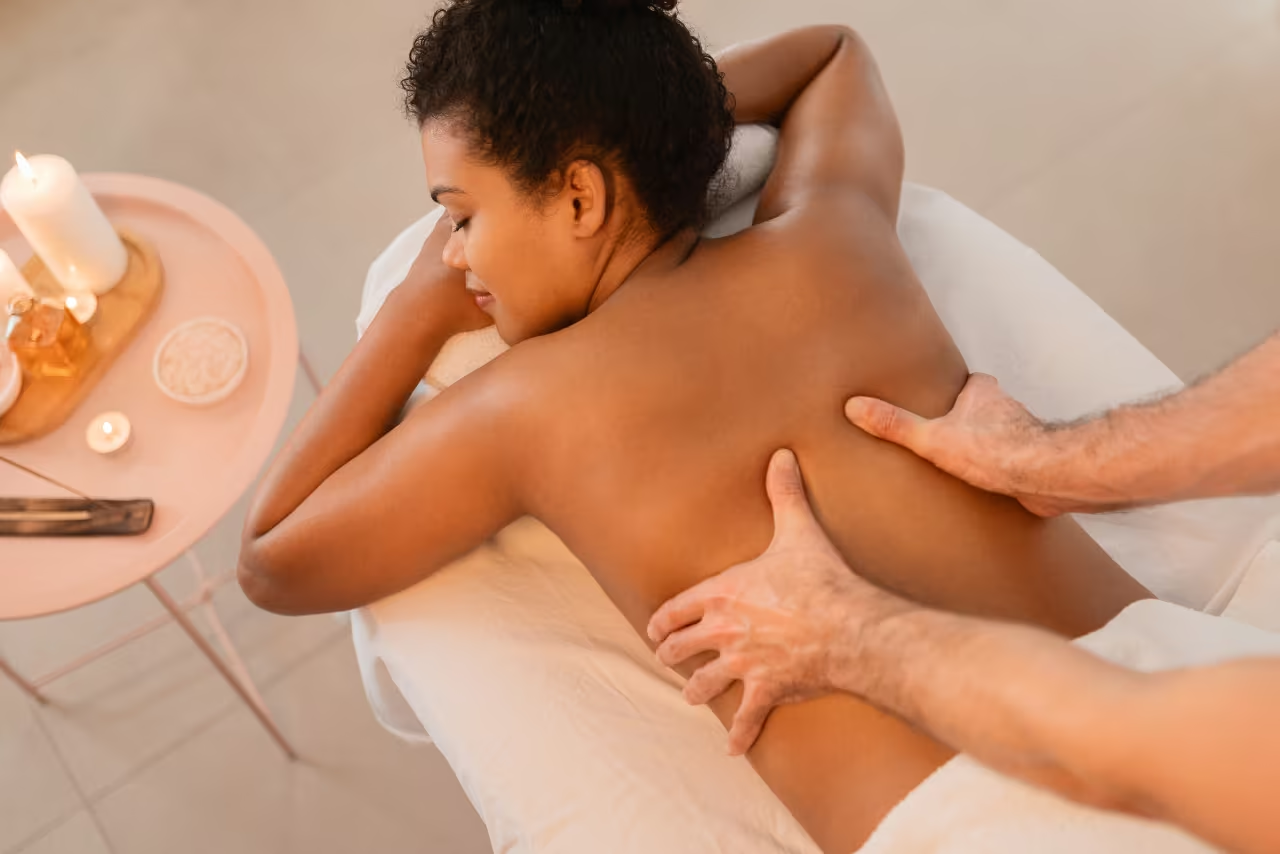
Lymphatic Drainage Massage
Lymphatic Drainage Massage is a gentle, rhythmic massage that uses directional strokes to support the flow of lymph fluid. People book it for swelling, puffiness and recovery after surgery, with their surgeon's clearance. At Flourish TCM Clinic in Yaletown, Vancouver, it's $170 for 60 minutes.
Skin Care & Facials
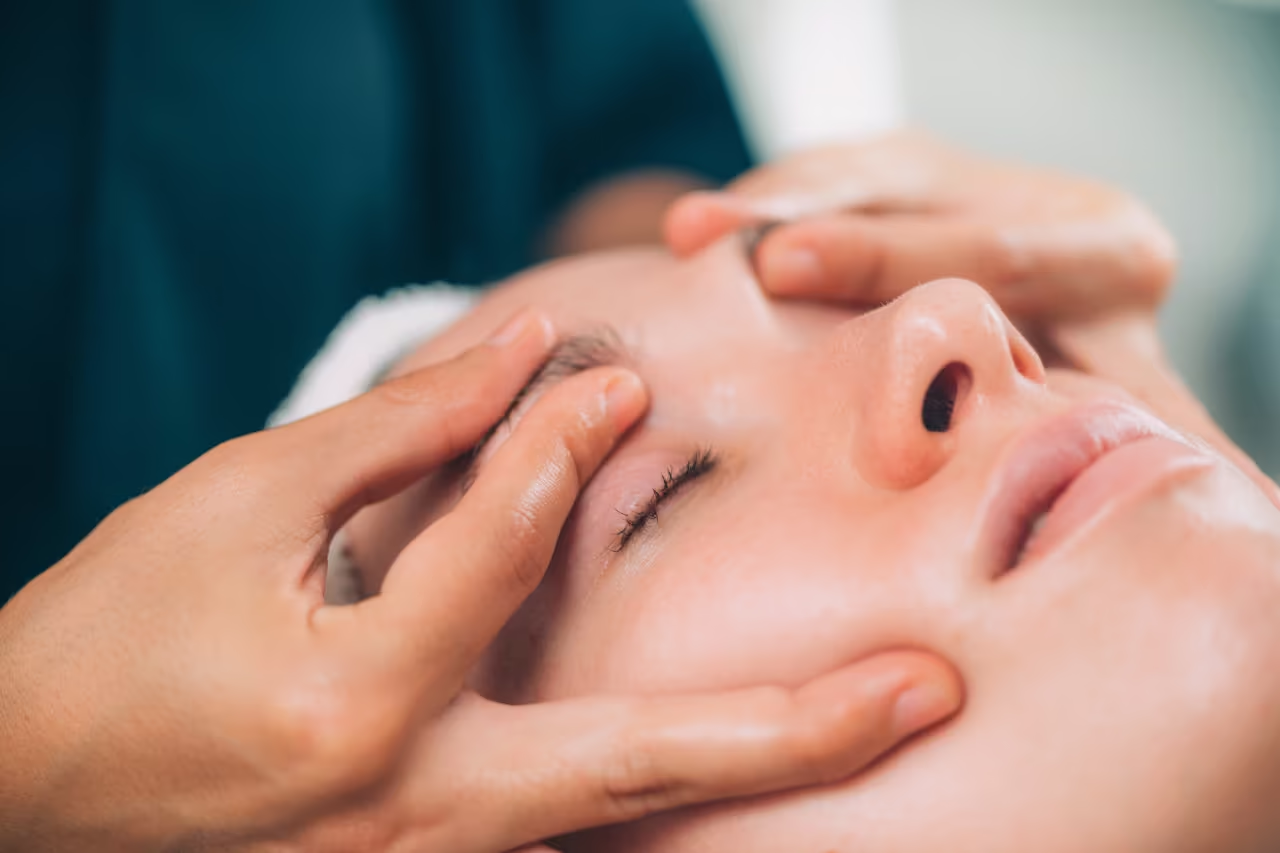
Bio-Current (DDS) Facial
The Bio-Current Facial is a 60-minute facial that uses the DDS bio-current system, a gentle micro-current delivered through the therapist's massage, combined with TCM facial techniques. At Flourish TCM Clinic in Yaletown, Vancouver, it costs $170 and is performed by Mehri Abedi, TuiNa and DDS bio-current therapist.
Body Wellness
Relaxation Massage
Relaxation Massage is a calming, Swedish-style full-body massage using long, flowing strokes to help you unwind. At Flourish TCM Clinic in Yaletown, Vancouver, it's $170 for 60 minutes or $250 for two hours, with Amir Norouzi. It is a relaxation service, not registered massage therapy.