Lymphatic Drainage After Surgery: Timing and What to Ask Your Surgeon
Why surgeons recommend lymphatic massage after surgery, when you can start, questions to ask, what sessions involve, and warning signs.

 Written byFlourish TCM ClinicTraditional Chinese Medicine & skin care · Yaletown, Vancouver
 Reviewed byTabasom (Tabi) Mirshahi, R.Ac., R.TCM.P.
Lymphatic Drainage After Surgery: Timing and What to Ask Your Surgeon
After many surgeries, including cosmetic procedures such as liposuction and tummy tucks, surgeons often recommend lymphatic drainage massage to help manage swelling during recovery. Timing depends on your procedure and your surgeon, so always get clearance first. Sessions are very gentle, avoid incisions, and at Flourish they start at least 4 weeks after surgery, often as a series.
Why do surgeons recommend lymphatic drainage?
Swelling is a normal part of recovery. After surgery, especially procedures that disturb tissue over a wide area, fluid can collect while your body repairs. Gentle lymphatic drainage massage supports the body's own fluid movement and can make recovery feel more comfortable. It's commonly suggested after body-contouring procedures, and sometimes after facial or other surgeries.
When can you start?
Only when your surgeon says so. Timing varies by procedure, extent and how your body recovers. At Flourish, post-surgery sessions start at least 4 weeks after your surgery, and only with your surgeon's clearance. Don't book before you have clear guidance.
Questions to ask your surgeon
- When can I start lymphatic drainage massage?
- How many sessions do you recommend, and how often?
- Are there areas the therapist should avoid?
- Should I keep wearing my compression garment during and after sessions?
- What signs should make me stop and call you?
Bring the answers, and any written instructions, to your first session.
What do sessions involve after surgery?
- We review your surgery date, procedure and your surgeon's instructions.
- You're positioned comfortably, with support for tender areas.
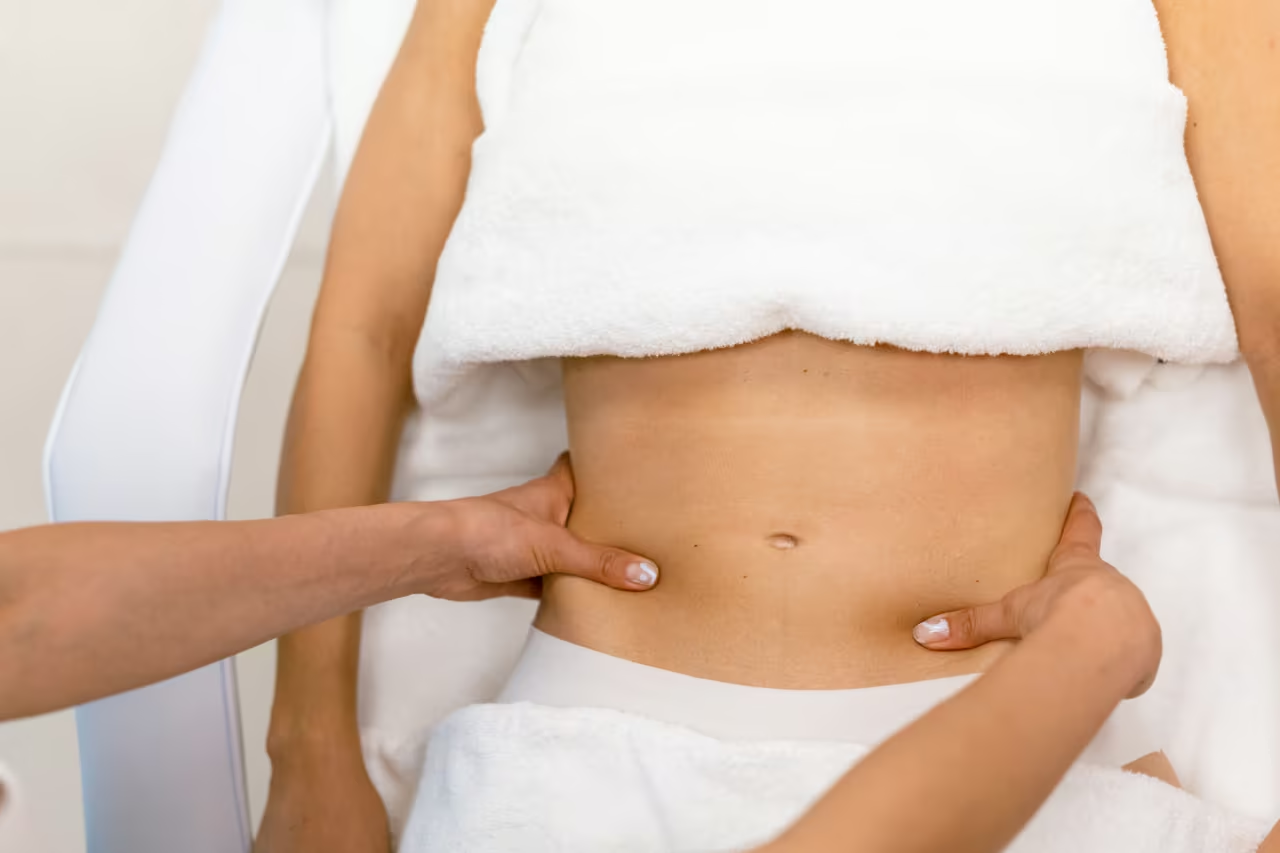
- The therapist uses very light, slow, directional strokes, working around incisions and unhealed areas, never over them.
- Pressure stays gentle throughout. Tell your therapist if anything is uncomfortable.
- Afterwards: water, a gentle walk if you're able, and your compression garment back on as prescribed.
At Flourish, sessions are performed by Amir Norouzi, whose background includes post-surgical and wound care. His practical understanding of recovery shapes how he works around areas that are still recovering.
How many sessions?
Follow your surgeon's plan. Once you start, at least 4 weeks after surgery, several sessions over the following weeks are common, so we offer series of 3, 6 or 10 at a lower per-session price. Prices are on the treatment page. If you have a Flourish account, remaining sessions show under Packages.
Warning signs: contact your surgeon or seek care
Stop and contact your surgeon promptly if you notice:
- fever or chills;
- spreading redness, warmth or discharge from a wound;
- pain that's increasing rather than easing;
- pain, swelling or warmth in one calf (a possible blood clot);
- shortness of breath or chest pain. Call 911.
Recovery at home
Rest, stay hydrated, walk gently as your surgeon allows, and keep wearing compression as directed. Being close to the clinic helps. Many clients choose Flourish because a short trip is easier during recovery. See our area pages: Yaletown, Downtown Vancouver, the West End.
Learn more
See our Post-Surgery Recovery Support page and What Is Lymphatic Drainage Massage?
Frequently asked questions
How soon after surgery can I start?
Only when your surgeon advises; it varies by procedure.
Will it hurt near my incisions?
Incisions and unhealed areas are avoided, and pressure stays very light.
Should I wear my compression garment?
Follow your surgeon's instructions; usually yes, afterwards.
How many sessions will I need?
Your surgeon's plan decides. Series of 3, 6 and 10 are available.
Can I claim it on insurance?
No. Lymphatic drainage at Flourish isn't RMT and isn't insurance-billable.
Sources
- Masson IF, et al. Indian J Plast Surg. 2014 (post-operative manual lymphatic drainage). (pmc.ncbi.nlm.nih.gov)
- Fontes de Moraes BZ, et al. Do compression garments prevent subcutaneous edema after abdominoplasty? Aesthet Surg J. 2023. (pubmed.ncbi.nlm.nih.gov)
- MedlinePlus (US National Library of Medicine) — Surgical wound infection - treatment (medlineplus.gov)
- MedlinePlus (US National Library of Medicine) — Deep Vein Thrombosis (medlineplus.gov)
Information on this site is general and isn't a substitute for advice from your physician.
Related to this article
Body Wellness
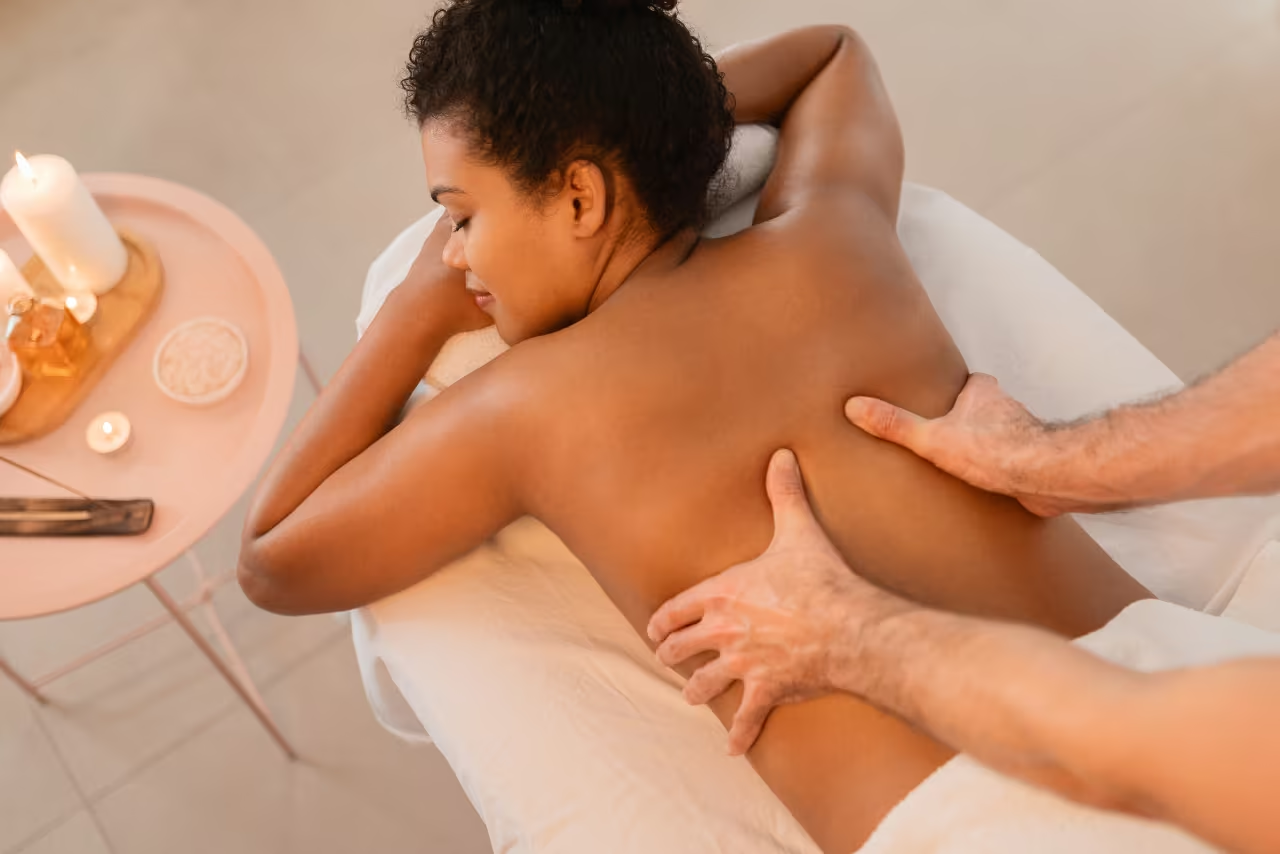
Lymphatic Drainage Massage
Lymphatic Drainage Massage is a gentle, rhythmic massage that uses directional strokes to support the flow of lymph fluid. People book it for swelling, puffiness and recovery after surgery, with their surgeon's clearance. At Flourish TCM Clinic in Yaletown, Vancouver, it's $170 for 60 minutes.
Cosmetic Treatments
Body Contouring Massage
Body Contouring Massage is a firm, 60-minute DDS bio-current massage performed by hand and with a handheld applicator, focused on areas such as the abdomen, hips and thighs. At Flourish TCM Clinic in Yaletown, Vancouver, it costs $170 with Amir Norouzi.

Body Wellness
Relaxation Massage
Relaxation Massage is a calming, Swedish-style full-body massage using long, flowing strokes to help you unwind. At Flourish TCM Clinic in Yaletown, Vancouver, it's $170 for 60 minutes or $250 for two hours, with Amir Norouzi. It is a relaxation service, not registered massage therapy.