Chinese Herbal Medicine: What It Is and How It's Prescribed
What Chinese herbal medicine is, how formulas are chosen, how it's regulated in BC, safety and medication interactions, and availability.

 Written byFlourish TCM ClinicTraditional Chinese Medicine & skin care · Yaletown, Vancouver
 Reviewed byTabasom (Tabi) Mirshahi, R.Ac., R.TCM.P.
Chinese Herbal Medicine: What It Is and How It's Prescribed
Chinese herbal medicine uses combinations of plant, and sometimes mineral, substances, prescribed according to a person's TCM pattern rather than a single symptom. Formulas are usually taken as teas, granules or pills. In British Columbia, prescribing is part of registered TCM practice. Herbs can interact with medications, so always tell your doctor and pharmacist about any herbs you take.
What is Chinese herbal medicine?
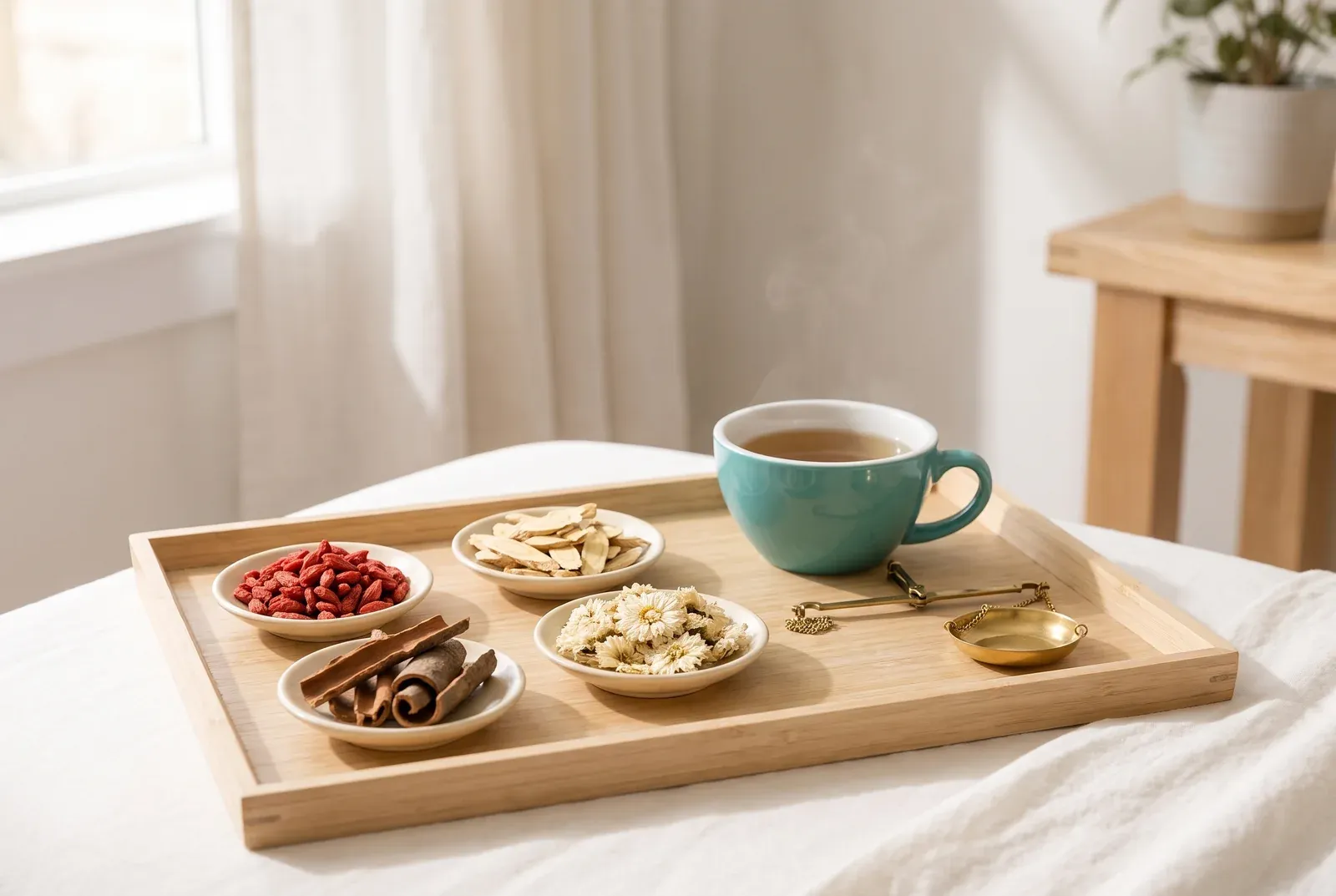
Chinese herbal medicine is one of the main branches of Traditional Chinese Medicine, alongside acupuncture and TuiNa. It draws on hundreds of substances, mostly roots, bark, seeds, flowers and fungi, described by their "nature" (warming, cooling), taste and the organ systems they're traditionally linked to.
How are formulas chosen?
Herbs are rarely used alone. A practitioner builds a formula, often based on a classical recipe and adjusted for you:
- A TCM assessment identifies your pattern: questions, tongue and pulse. See What Happens in TCM Tongue and Pulse Diagnosis.
- A formula is chosen to address that pattern. Some herbs lead, and others support or balance.
- It's given in a practical form: raw herbs to boil into tea, powdered granules, or pills.
- Your practitioner reviews and adjusts it over time.
How is it regulated in BC?
In BC, TCM practitioners are regulated by the College of Complementary Health Professionals of BC (CCHPBC). Titles connected with herbal practice include Registered TCM Herbalist (R.TCM.H.), Registered TCM Practitioner (R.TCM.P.) and Doctor of TCM (Dr.TCM). Herbal products sold in Canada are regulated by Health Canada as natural health products; licensed products carry an eight-digit NPN (Natural Product Number). See Choosing a TCM Practitioner in BC.
Safety and medication interactions
Herbs are active substances. To use them safely:
- Always tell your doctor and pharmacist about any herbs, especially if you take blood thinners, diabetes or blood pressure medication, heart medication, or medication for mental health.
- Tell your herbalist about every medication and supplement you take.
- Pregnancy and breastfeeding: many herbs are avoided; only use them under qualified guidance.
- Buy from reputable sources, and look for an NPN.
- Stop and seek care if you have side effects such as rash, stomach upset, or yellowing skin or eyes.
Is herbal medicine available at Flourish?
Chinese herbal medicine is not offered at Flourish. Our TCM practitioner may discuss food and lifestyle advice as part of an acupuncture consultation (currently on the waitlist). For warmth and bodywork, Chinese Medicine Mud Therapy and TuiNa & DDS are bookable at our Yaletown clinic, close to Chinatown and a Canada Line ride from Richmond.
Frequently asked questions
Are Chinese herbs safe?
They can be when prescribed by a qualified practitioner, but they're active substances and can interact with medications.
Can I take herbs with my prescriptions?
Only with your doctor's and pharmacist's knowledge.
What is an NPN?
Health Canada's Natural Product Number for licensed natural health products.
Do herbs taste bitter?
Many do; granules and pills are easier.
Can I get herbs at Flourish?
No. Herbal medicine isn't offered at Flourish.
Sources
- NCCIH — Traditional Chinese Medicine: What You Need To Know (nccih.nih.gov)
- Chua YT, et al. Interaction between warfarin and Chinese herbal medicines. Singapore Med J. 2015. (pubmed.ncbi.nlm.nih.gov)
- Health Canada — Product Licensing (Natural Health Products) (canada.ca)
- CCHPBC — Scope of Practice Explanatory Statement: Traditional Chinese Medicine and Acupuncture (April 1, 2026) (cchpbc.ca)
Information on this site is general and isn't a substitute for advice from your physician.
Related to this article
Body Wellness
Acupuncture
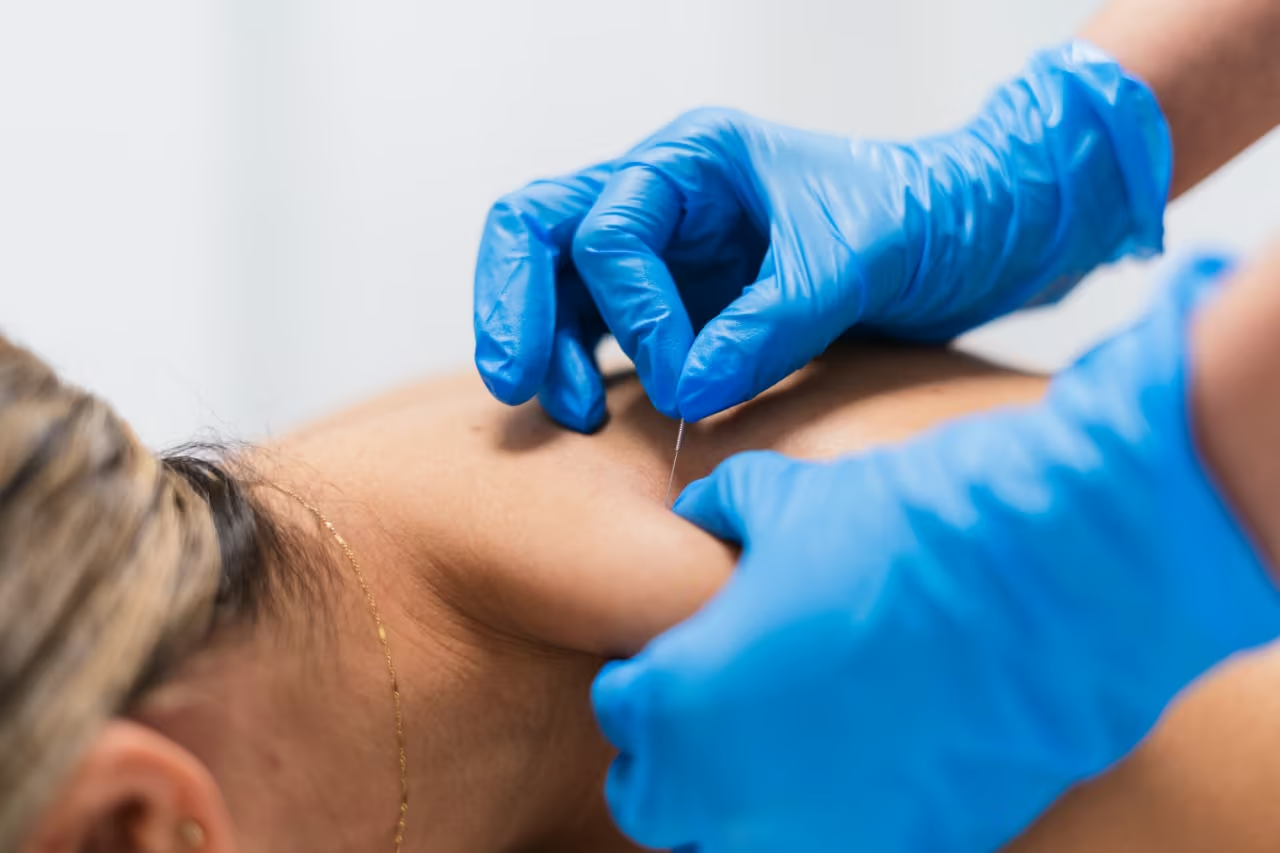
Acupuncture is a Traditional Chinese Medicine treatment in which a registered acupuncturist places fine, sterile needles at specific points on the body. At Flourish TCM Clinic in Yaletown, Vancouver, a 45-minute session costs $170. Appointments open once a registered acupuncturist joins our team; join the waitlist.
Body Wellness
Chinese Medicine Mud Therapy
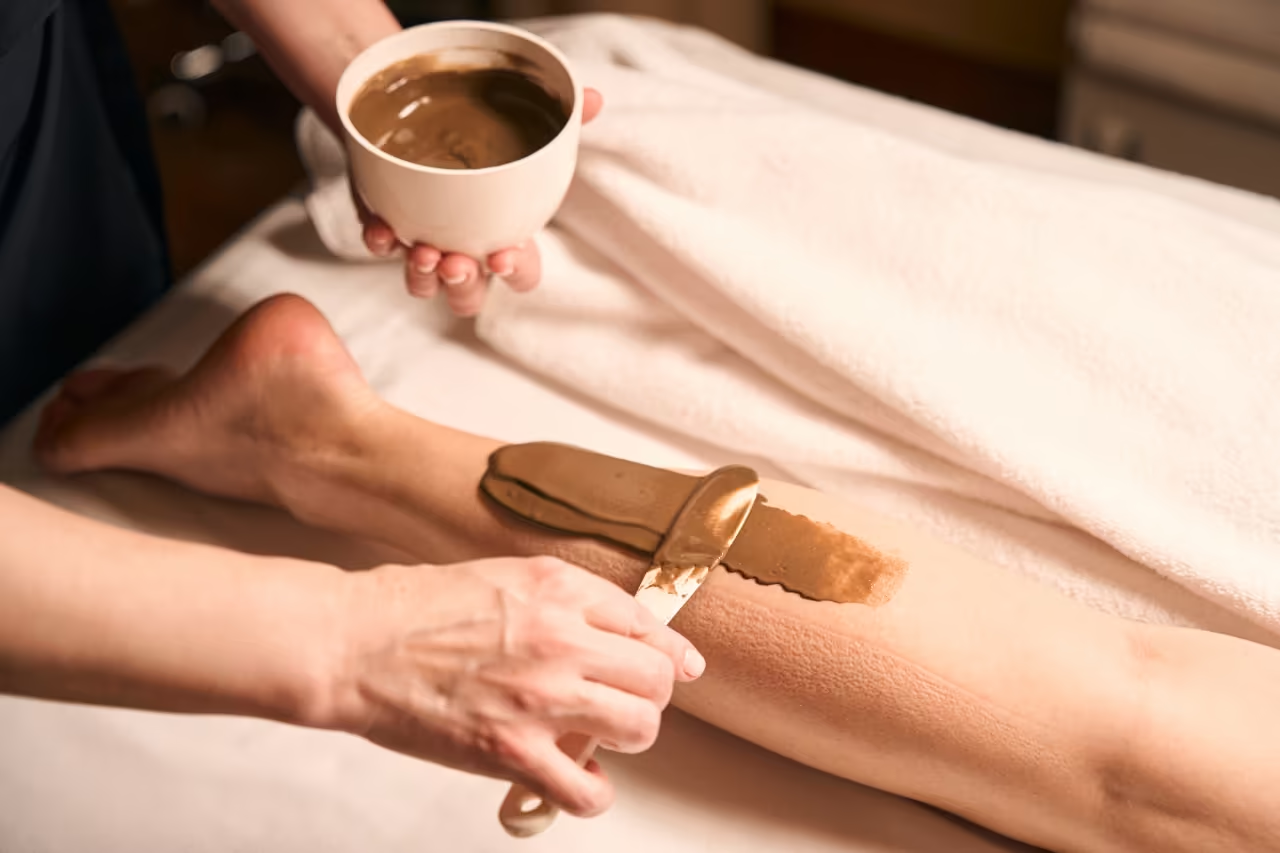
Chinese Medicine Mud Therapy applies a warm mineral mud, at body temperature, to areas of the body such as the back, shoulders or joints. At Flourish TCM Clinic in Yaletown, Vancouver, it's $150 for 30 minutes, or $260 for 90 minutes combined with DDS acupressure massage, with Amir Norouzi or Mehri Abedi.

Body Wellness
TuiNa & DDS Acupressure Massage
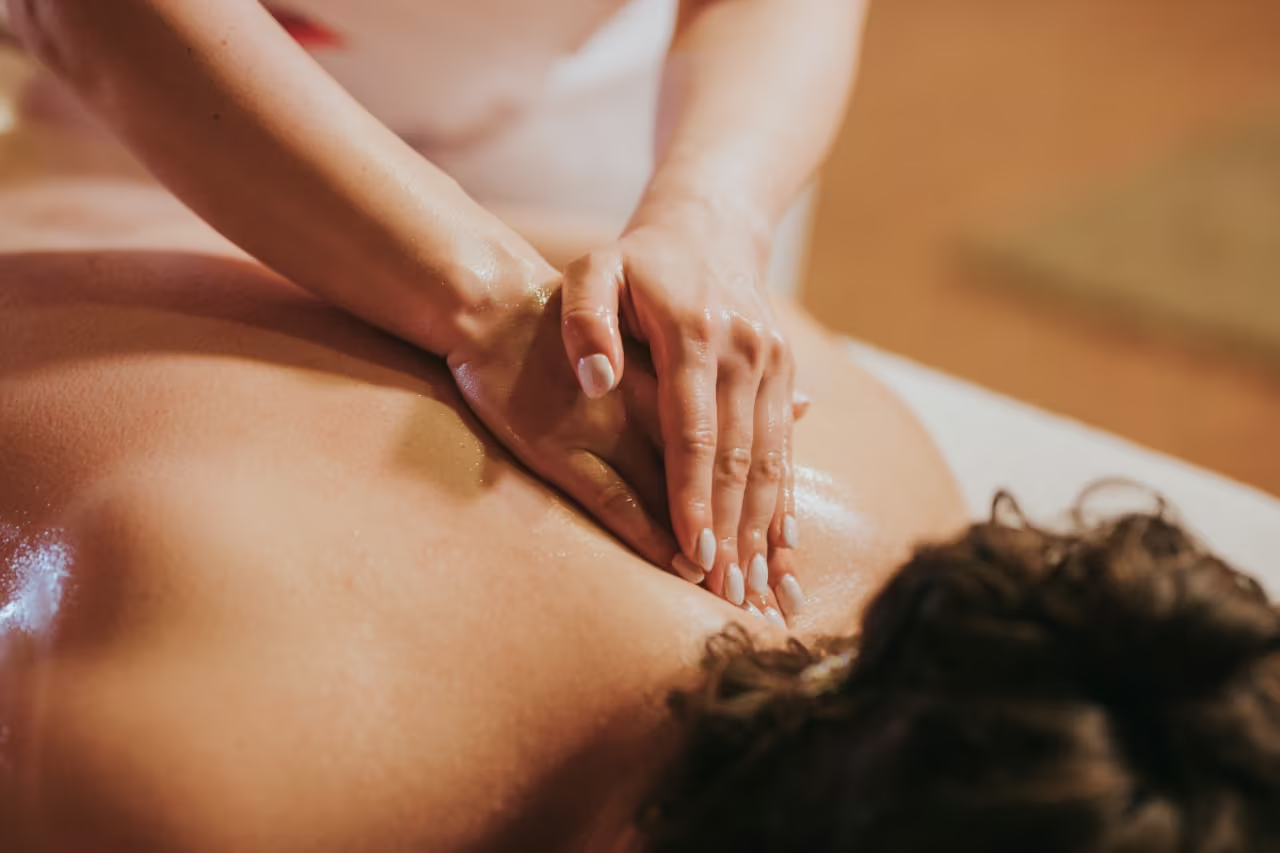
TuiNa & DDS Acupressure Massage combines TuiNa, a Chinese massage technique that works along the meridians and acupressure points, with the DDS bio-current system's gentle micro-current. At Flourish TCM Clinic in Yaletown, Vancouver, it's $110 for 30 minutes or $170 for 60 minutes, with Amir Norouzi.