Hormonal Acne: Connecting Skin and Cycle
What hormonal acne is, how it follows your cycle, how TCM views it, facial care that helps, and signs (like PCOS) that need a doctor.

 Written byFlourish TCM ClinicTraditional Chinese Medicine & skin care · Yaletown, Vancouver
 Reviewed byTabasom (Tabi) Mirshahi, R.Ac., R.TCM.P.
Hormonal Acne: Connecting Skin and Cycle
Hormonal acne is acne driven by hormone changes. It often appears along the jaw, chin and lower cheeks, and flares in the week or so before a period. It's common in adult women and around pregnancy, postpartum and perimenopause. Gentle, consistent skin care and clinical facials help keep it calm, while persistent or severe hormonal acne may need a doctor's treatment.
What is hormonal acne?
Hormones, especially androgens, raise oil production and change how skin cells shed, so pores clog more easily. Hormonal acne tends to:
- sit along the jawline, chin and lower face;
- appear as deeper, tender bumps as well as smaller spots;
- flare before your period;
- show up in adulthood, even if your teenage skin was clear.
How does it follow your cycle?
In the days before your period, hormonal shifts can increase oil and inflammation, so many people notice breakouts in the late luteal phase. Tracking your cycle alongside your skin often reveals the pattern. Life stages matter too: pregnancy, the months after birth, and perimenopause can all bring flares. See pregnancy and postpartum skin.
How does TCM view hormonal acne?
Traditional Chinese Medicine often links jaw and chin breakouts to the cycle and to patterns of "heat," "dampness" and Liver Qi stagnation, with stress playing a big role. TCM advice focuses on stress care, regular sleep, and less greasy, spicy or sugary food, alongside skin care. See Period Pain and PMS: A TCM Perspective.
Facial care that helps
At home:
- A gentle cleanser, twice daily. Don't scrub.
- Non-comedogenic moisturiser.
- Ingredients your doctor or practitioner recommends, such as salicylic acid, azelaic acid or benzoyl peroxide (not all are suitable in pregnancy).
- Daily SPF, because marks darken with sun.
- Hands off. Picking leads to marks and scarring.
In clinic:
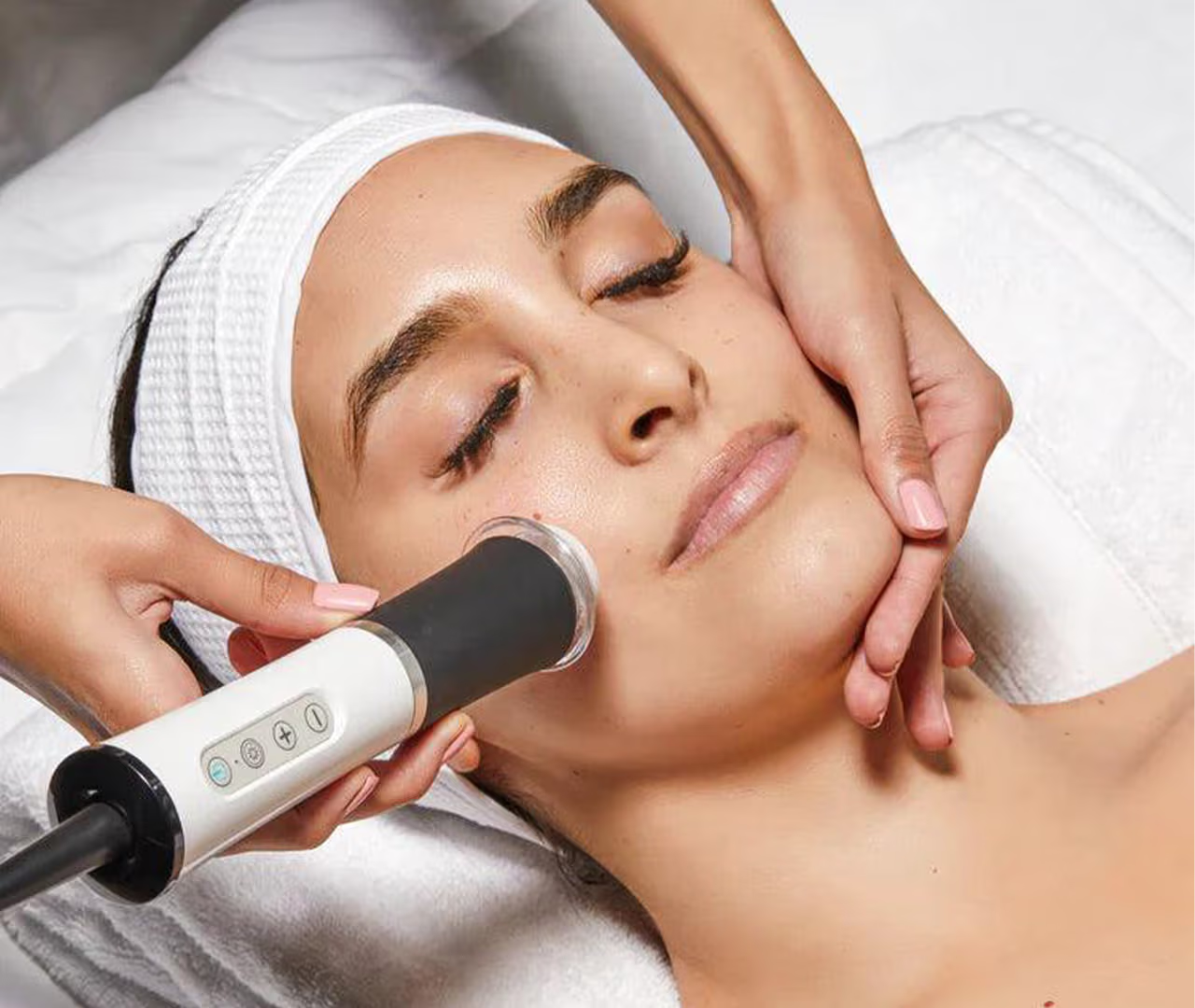
- OxyGeneo Facial: exfoliation and infusion with serums for oily, breakout-prone skin; no downtime.
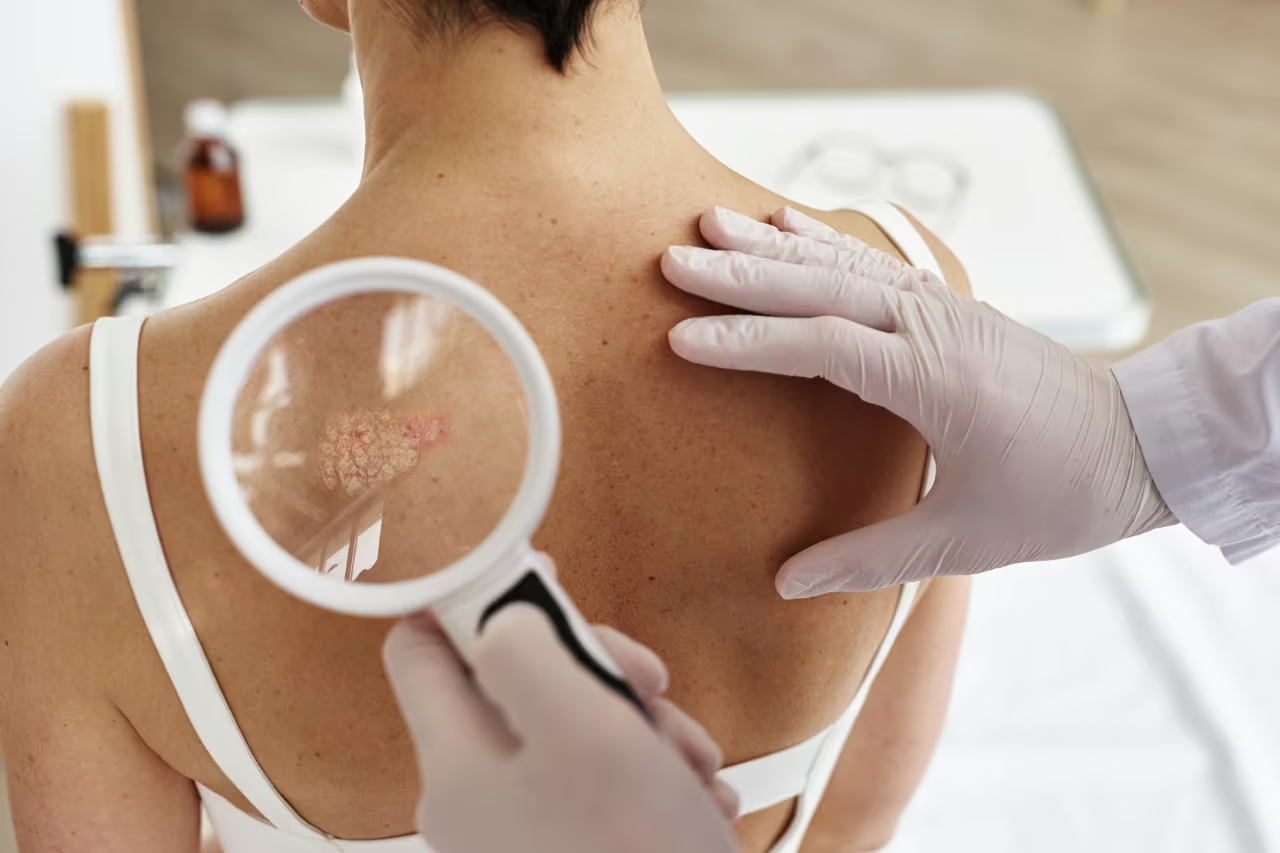
- Back Acne Treatment: if breakouts also affect the back and shoulders.
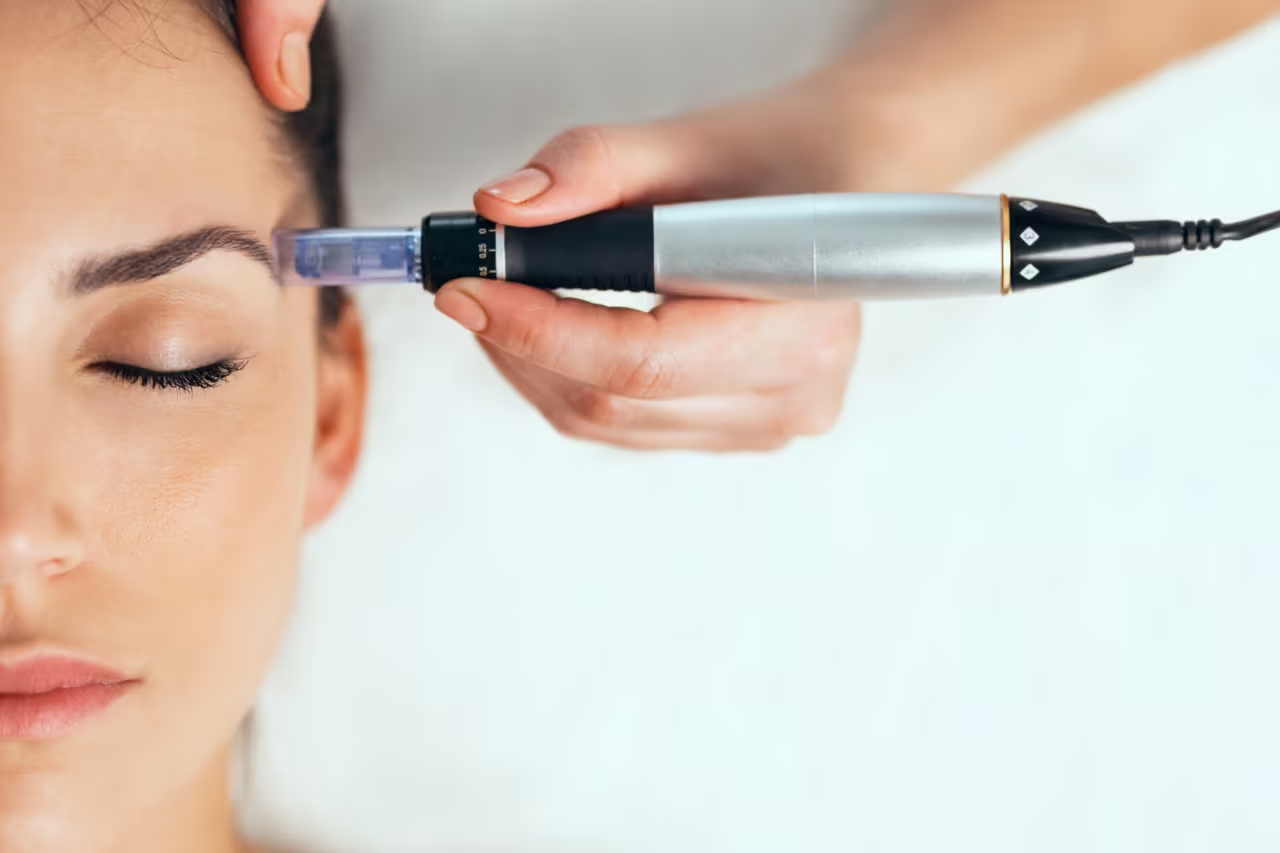
- Microneedling + LED: later, for marks and texture once breakouts are calm (not over active acne).
Timing facials in the week before your usual flare can help keep congestion down.
When to see a doctor
See a doctor or dermatologist for:
- deep, painful cysts, or acne that's leaving scars;
- acne that started suddenly in adulthood with irregular periods, new facial or body hair, or thinning scalp hair, which can be signs of polycystic ovary syndrome (PCOS);
- acne affecting your mood or confidence;
- acne that doesn't improve with good skin care.
Prescription options, including topical treatments and hormonal therapies, can help, and facials can complement them. See acne and breakouts.
Where to book
Facials for breakout-prone skin are available with Mina at our Yaletown clinic, two Canada Line stops from Downtown Vancouver and close to Coal Harbour.
Frequently asked questions
Why do I break out before my period?
Hormonal shifts before your period can raise oil and inflammation.
Can facials clear hormonal acne for good?
Facials help manage congestion; persistent hormonal acne may need medical treatment.
Does diet affect hormonal acne?
For some people, yes; high-sugar and dairy-heavy diets are often discussed.
Is hormonal acne a sign of PCOS?
Sometimes, especially with irregular periods or new hair growth. See a doctor.
Which facial is good for hormonal acne?
OxyGeneo is a common starting point.
Sources
- American Academy of Dermatology — Adult acne (aad.org)
- Poli F, et al. An epidemiological study of acne in female adults: results of a survey conducted in France. J Eur Acad Dermatol Venereol. 2001. (pubmed.ncbi.nlm.nih.gov)
- Khunger N, Kumar C. A clinico-epidemiological study of adult acne: is it different from adolescent acne? Indian J Dermatol Venereol Leprol. 2012. (pubmed.ncbi.nlm.nih.gov)
- NHS — Polycystic ovary syndrome (PCOS) (nhs.uk)
Information on this site is general and isn't a substitute for advice from your physician.
Related to this article
Skin Care & Facials
OxyGeneo Facial
The OxyGeneo Facial is a 90-minute treatment that exfoliates, infuses and oxygenates the skin in a single pass using the OxyGeneo system. At Flourish TCM Clinic in Yaletown, Vancouver, it starts at $230 and is performed by Mina Gharnian, skin care practitioner.
Skin Care & Facials
Back Acne Treatment
The Back Acne Treatment is a clinical facial for the back, shoulders and upper arms that deep-cleanses, exfoliates and calms the skin. At Flourish TCM Clinic in Yaletown, Vancouver, the upper back is 90 minutes for $250 and the whole back is 120 minutes for $350, with Mina Gharnian, skin care practitioner.
Skin Care & Facials
Microneedling + LED
Microneedling + LED is a collagen-induction treatment that uses a fine-needle pen to create controlled micro-channels, followed by calming LED light. At Flourish TCM Clinic in Yaletown, Vancouver, the face and neck treatment is 120 minutes, $330, performed by Mina Gharnian, skin care practitioner.
Skin Care & Facials
Pregnancy & New Mom Facial
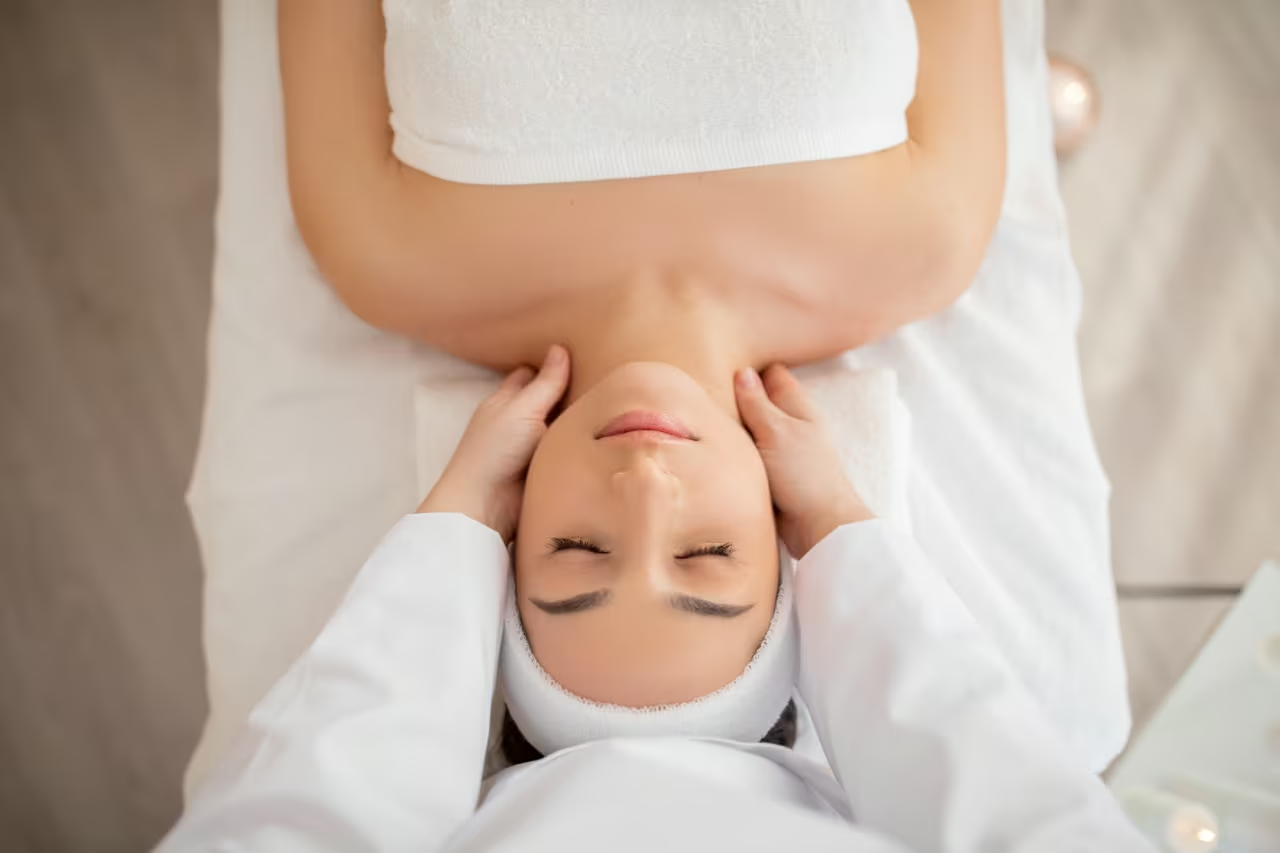
The Pregnancy & New Mom Facial is a gentle 75-minute facial for people who are pregnant or in the months after birth, using only OxyGeneo skin care products and no devices or machinery. At Flourish TCM Clinic in Yaletown, Vancouver, it costs $230 and is performed by Mina Gharnian, skin care practitioner.