Neck and Shoulder Tension from Desk Work: A TCM View
Why desk work tightens your neck and shoulders, how TCM sees it, desk habits that help, and when TuiNa or cupping can support you.

 Written byFlourish TCM ClinicTraditional Chinese Medicine & skin care · Yaletown, Vancouver
 Reviewed byTabasom (Tabi) Mirshahi, R.Ac., R.TCM.P.
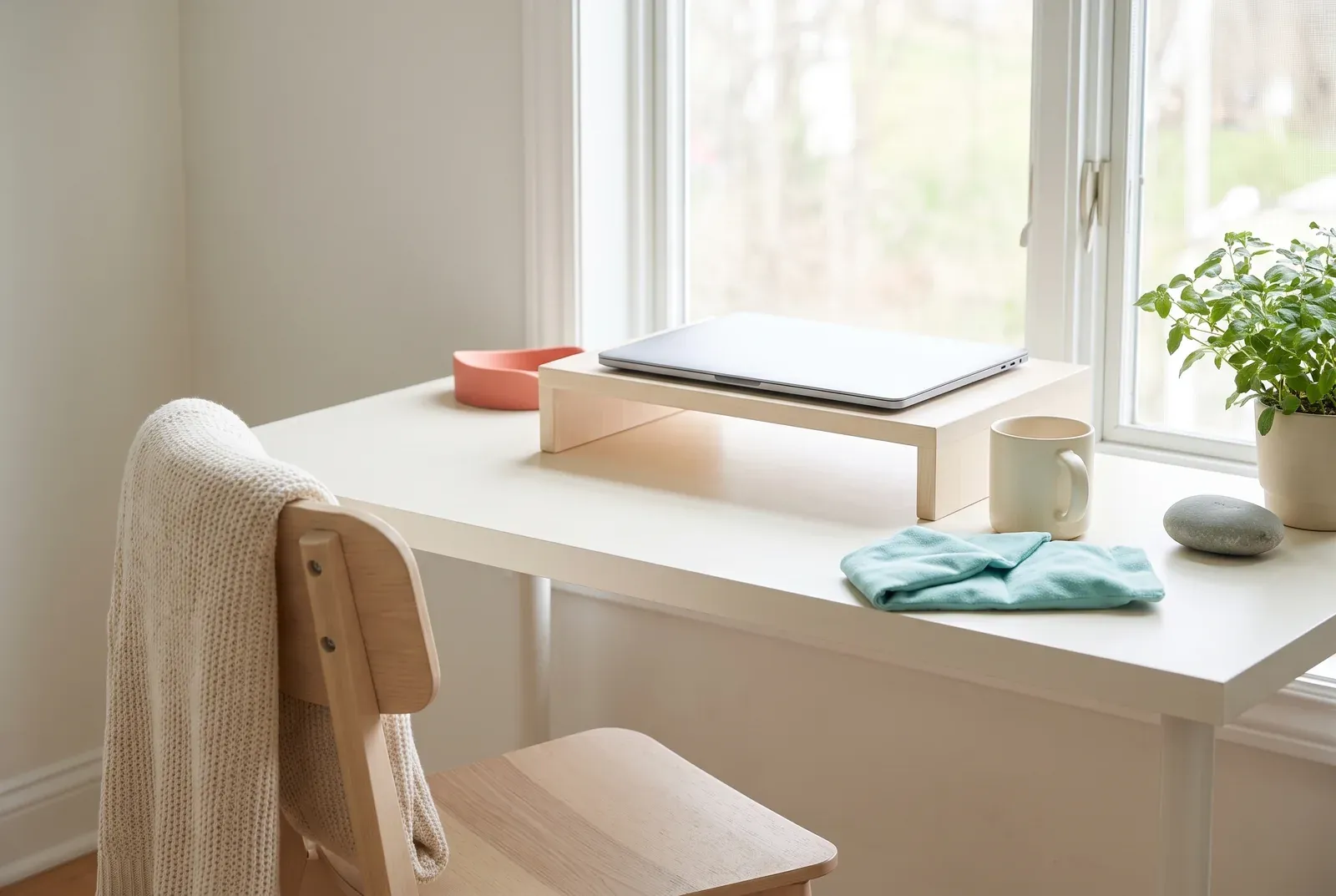
Neck and Shoulder Tension from Desk Work: A TCM View
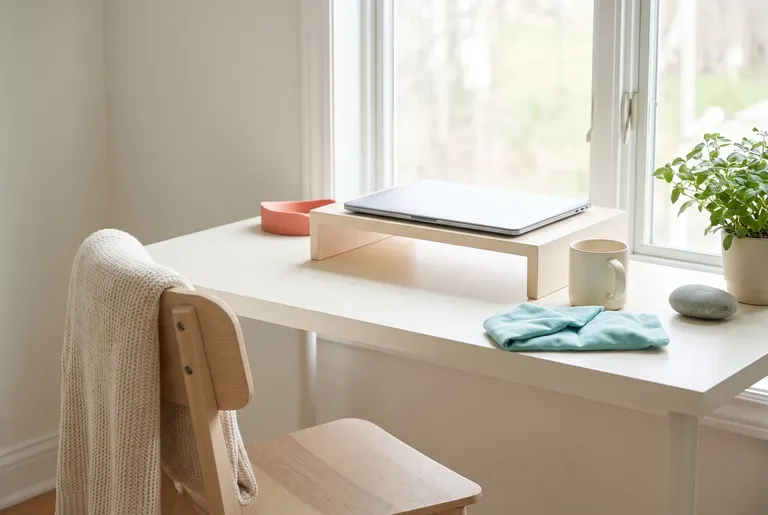
Desk work tightens the neck and shoulders because we hold one posture for hours: head forward, shoulders rounded, often with stress adding tension. TCM links this to stagnation of Qi along the shoulder channels, made worse by stress. Regular movement breaks, a better screen setup and hands-on TuiNa massage can all help.
Why does desk work cause tension?
- Head-forward posture: as your head drifts toward the screen, the muscles at the back of your neck work harder to hold it up.
- Rounded shoulders: the chest tightens and the upper back overstretches.
- Stillness: muscles held in one position for hours get stiff and sore.
- Stress: many people raise and tense their shoulders without noticing.
- Phones and laptops: looking down adds to neck strain.
The TCM view
In TCM, the shoulders and neck are crossed by several channels, including the Gallbladder and Small Intestine meridians. Tension there is described as Qi stagnation, often worsened by stress, which TCM links to the Liver system ("Liver Qi constraint"), and by exposure to wind and cold. That's why TCM practitioners also ask about stress and suggest keeping the neck warm on cold, windy days.
Desk habits that help
- Screen at eye level, about an arm's length away.
- Elbows at about 90°, shoulders relaxed.
- Feet flat, and the chair supporting your lower back.
- Move every 30–45 minutes: stand, roll your shoulders, look away from the screen.
- Simple stretches: chin tucks, gentle neck side-bends, doorway chest stretches.
- Breathe: a few slow breaths drop the shoulders.
- Try acupressure at your desk. See Five-Minute Acupressure Points for Stress at Your Desk.
How can TuiNa or cupping help?
- TuiNa & DDS Acupressure Massage (bookable): firm, meridian-based work on the neck, shoulders and upper back, with gentle bio-current. Thirty minutes suits the neck and shoulders alone.
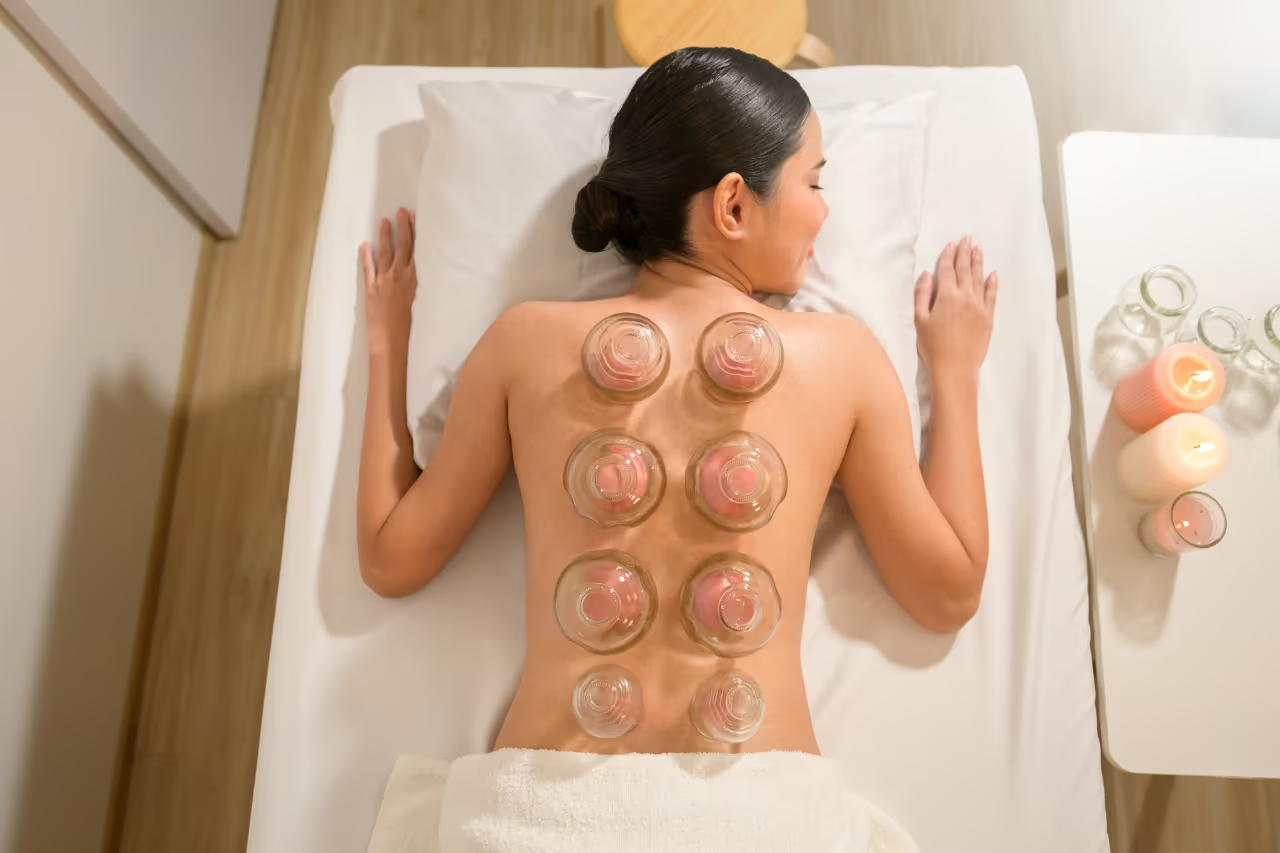
- Cupping Therapy (waitlist): suction on tight upper-back muscles.
- Acupuncture (waitlist): a TCM approach to tension and stress.
- Relaxation Massage (bookable): full-body unwinding when stress is the bigger factor.
How you feel between sessions also depends on your desk habits.
When to see a doctor
See a doctor for neck pain after an injury or fall; pain spreading down an arm with numbness, tingling or weakness; a stiff neck with fever or severe headache; or pain that keeps getting worse. More on our neck and shoulder tension page.
Where to book
A 30-minute TuiNa session fits a lunch break at our Yaletown clinic, two Canada Line stops from Downtown Vancouver and Coal Harbour's nearest station.
Frequently asked questions
How often should I book TuiNa for desk tension?
Weekly at first, then monthly for maintenance.
Does DDS help tension?
Many people find the gentle bio-current adds warmth and relaxation.
Can tension cause headaches?
It can contribute to tension headaches; frequent headaches should be checked.
Is a standing desk better?
Changing position often matters more than standing all day.
Is TuiNa covered by insurance?
No.
Sources
- CCOHS (Canadian Centre for Occupational Health and Safety) — Office Ergonomics: Positioning the Monitor (ccohs.ca)
- CCOHS — Office Ergonomics: How to Adjust Office Chairs (ccohs.ca)
- CCOHS — Office Ergonomics: Sit/Stand Desk (ccohs.ca)
- CCOHS — Office Ergonomics: Work-related Risk Factors (ccohs.ca)
Information on this site is general and isn't a substitute for advice from your physician.
Related to this article
Body Wellness
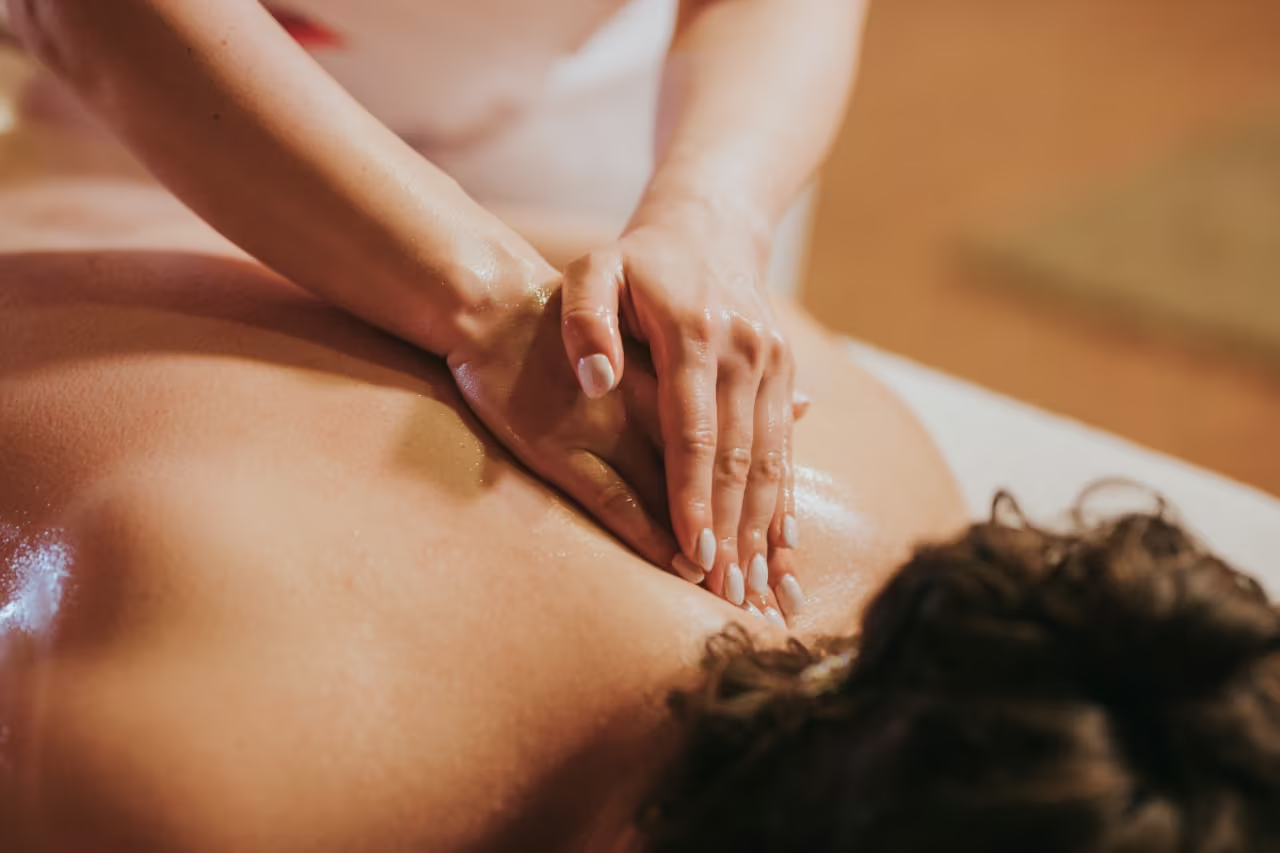
TuiNa & DDS Acupressure Massage
TuiNa & DDS Acupressure Massage combines TuiNa, a Chinese massage technique that works along the meridians and acupressure points, with the DDS bio-current system's gentle micro-current. At Flourish TCM Clinic in Yaletown, Vancouver, it's $110 for 30 minutes or $170 for 60 minutes, with Amir Norouzi.

Body Wellness
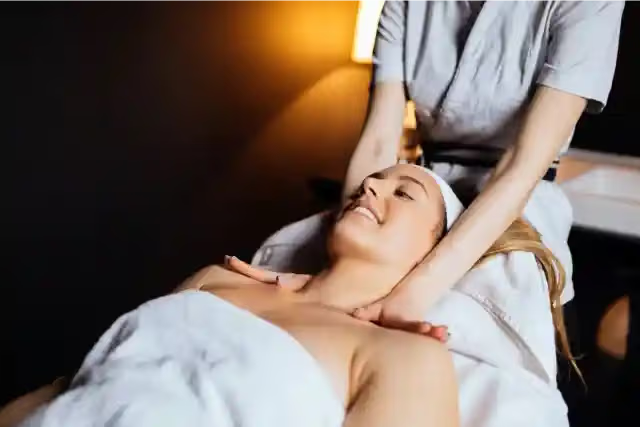
Relaxation Massage
Relaxation Massage is a calming, Swedish-style full-body massage using long, flowing strokes to help you unwind. At Flourish TCM Clinic in Yaletown, Vancouver, it's $170 for 60 minutes or $250 for two hours, with Amir Norouzi. It is a relaxation service, not registered massage therapy.
Body Wellness
Cupping Therapy
Cupping Therapy is a 30-minute Traditional Chinese Medicine treatment in which vacuum cups are applied over massage oil, to ease muscle tension and help you relax. At Flourish TCM Clinic in Yaletown, Vancouver, it costs $170. Appointments open once a registered acupuncturist joins our team.

Body Wellness
Ayurvedic Indian Head Massage with Reiki
The Ayurvedic Indian Head Massage with Reiki is a relaxing treatment for the scalp, face, neck and shoulders, based on a traditional Indian head massage technique and infused with Reiki. It's offered by Lida Fazlinejad (Lida Fazli) at Flourish TCM Clinic in Yaletown. Appointments aren't open yet; join the waitlist.