Acupuncture for Lower Back Pain: What the Research Says
What clinical guidelines and trials say about acupuncture for chronic low back pain, who responds, what a course looks like, and red flags.

 Written byFlourish TCM ClinicTraditional Chinese Medicine & skin care · Yaletown, Vancouver
 Reviewed byTabasom (Tabi) Mirshahi, R.Ac., R.TCM.P.
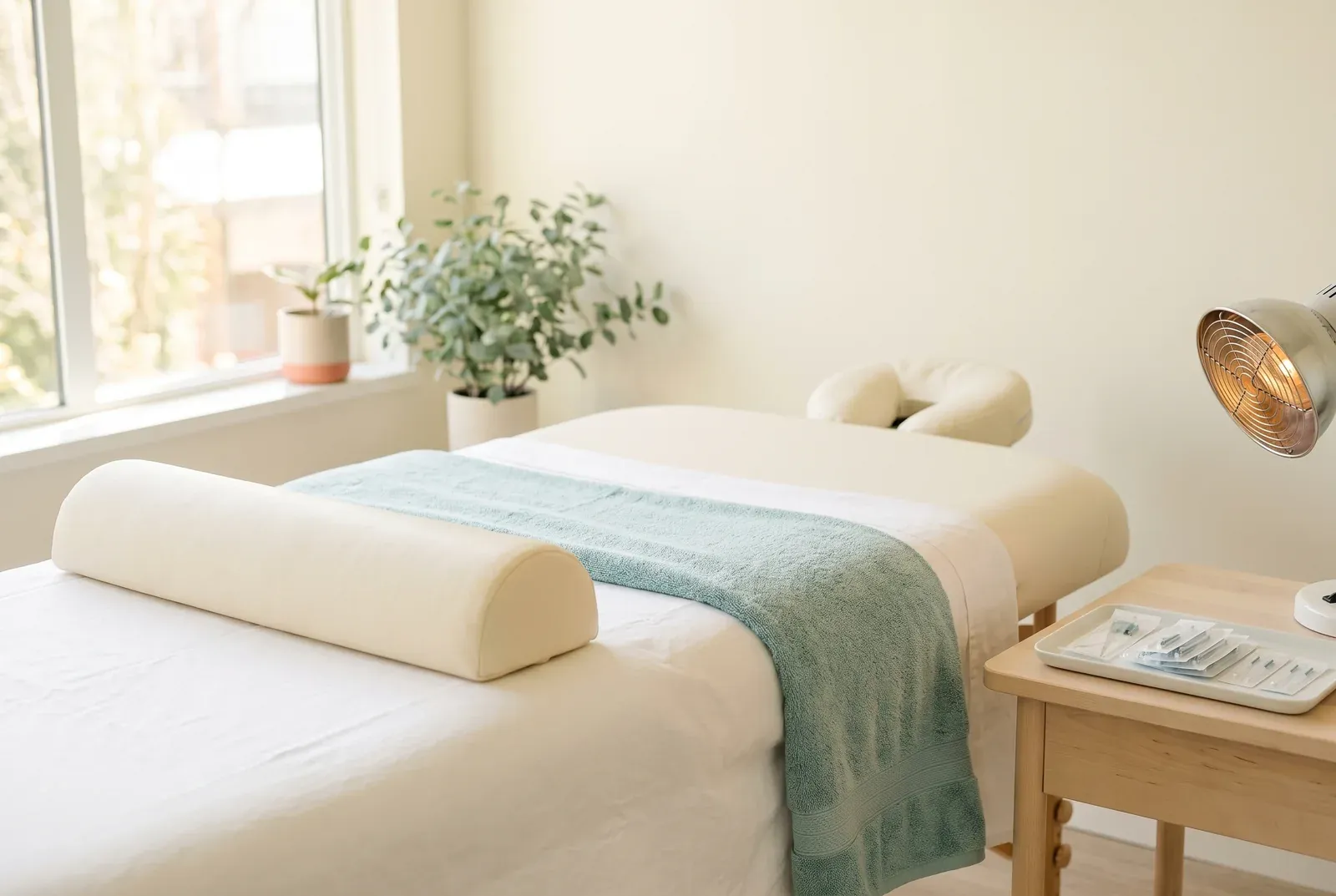
Acupuncture for Lower Back Pain: What the Research Says
Acupuncture is one of the non-drug options some major clinical guidelines list for chronic low back pain. Research suggests it can offer modest improvements in pain and function for some people, usually over a course of sessions. It works alongside staying active and your doctor's care, and some back pain symptoms need urgent medical attention first.
What do clinical guidelines say?
Several clinical guidelines for low back pain recommend starting with non-drug approaches, and some, such as the American College of Physicians' guideline, include acupuncture among the options for chronic low back pain, alongside exercise, spinal manipulation and mindfulness-based approaches. Guidelines differ by country and are updated over time, and the strength of recommendation reflects the quality of evidence.
What do trials show?
Large trials and systematic reviews comparing acupuncture with usual care generally find modest benefits for chronic low back pain. Trials comparing real acupuncture with "sham" (placebo) acupuncture show smaller differences, which researchers continue to debate. In practical terms: many people find acupuncture helpful as part of their back care, but it won't help everyone, and changes are usually gradual.
Who tends to respond?
Responses vary, and research can't predict who will benefit. In practice, people who do well often:
- have non-specific back pain (from muscles, joints and ligaments rather than a serious cause);
- combine acupuncture with staying active;
- attend a consistent course rather than a single session.
What does a course look like?
Trials often use weekly sessions over several weeks. At Flourish, a practitioner typically suggests weekly sessions at first and reviews progress after four to six. See How Many Acupuncture Sessions Will You Need?
In TCM terms, back pain is often described as blocked Qi and blood, sometimes with cold, damp, or Kidney deficiency in long-standing low back pain. Points are chosen both near the pain and further away along related channels.
What else helps back pain?
- Keep moving. For most back pain, gentle activity helps more than bed rest.
- Strength and mobility work, ideally guided by a physiotherapist or kinesiologist.
- Warmth: Chinese Medicine Mud Therapy gives deep, sustained heat.
- Bodywork: TuiNa & DDS Acupressure Massage works on tight back muscles and is bookable now.
Red flags: see a doctor first
Get urgent care for back pain with numbness in the groin or buttocks, new loss of bladder or bowel control, or leg weakness. See a doctor for back pain after a fall or injury, or with fever, unexplained weight loss, a history of cancer, or pain that's worse at night and not eased by rest. More on our back pain page.
Acupuncture at Flourish
Acupuncture is performed by a registered acupuncturist and is currently on the waitlist. Receipts for insurance are issued only for acupuncture actually performed by the registered practitioner named on the receipt. Our clinic is in Yaletown, a direct Canada Line ride from Richmond.
Frequently asked questions
Does acupuncture work for back pain?
Research suggests modest benefits for some people with chronic low back pain.
How many sessions for back pain?
Often weekly for several weeks, reviewed as you go.
Should I stop exercising?
No. Staying active is one of the most helpful things for back pain.
Is acupuncture covered by insurance?
Many BC plans cover acupuncture by a registered acupuncturist; check your plan.
Can I book something now?
TuiNa & DDS and mud therapy are bookable; acupuncture is on a waitlist.
Sources
- Qaseem A, et al. Noninvasive Treatments for Acute, Subacute, and Chronic Low Back Pain: A Clinical Practice Guideline From the American College of Physicians. Ann Intern Med. 2017. (pubmed.ncbi.nlm.nih.gov)
- Mu J, et al. Acupuncture for chronic nonspecific low back pain. Cochrane Database Syst Rev. 2020. (pmc.ncbi.nlm.nih.gov)
- Vickers AJ, et al. Acupuncture for Chronic Pain: Update of an Individual Patient Data Meta-Analysis. J Pain. 2018. (pmc.ncbi.nlm.nih.gov)
- NHS — Back pain (nhs.uk)
Information on this site is general and isn't a substitute for advice from your physician.
Related to this article

Body Wellness
Acupuncture
Acupuncture is a Traditional Chinese Medicine treatment in which a registered acupuncturist places fine, sterile needles at specific points on the body. At Flourish TCM Clinic in Yaletown, Vancouver, a 45-minute session costs $170. Appointments open once a registered acupuncturist joins our team; join the waitlist.
Body Wellness
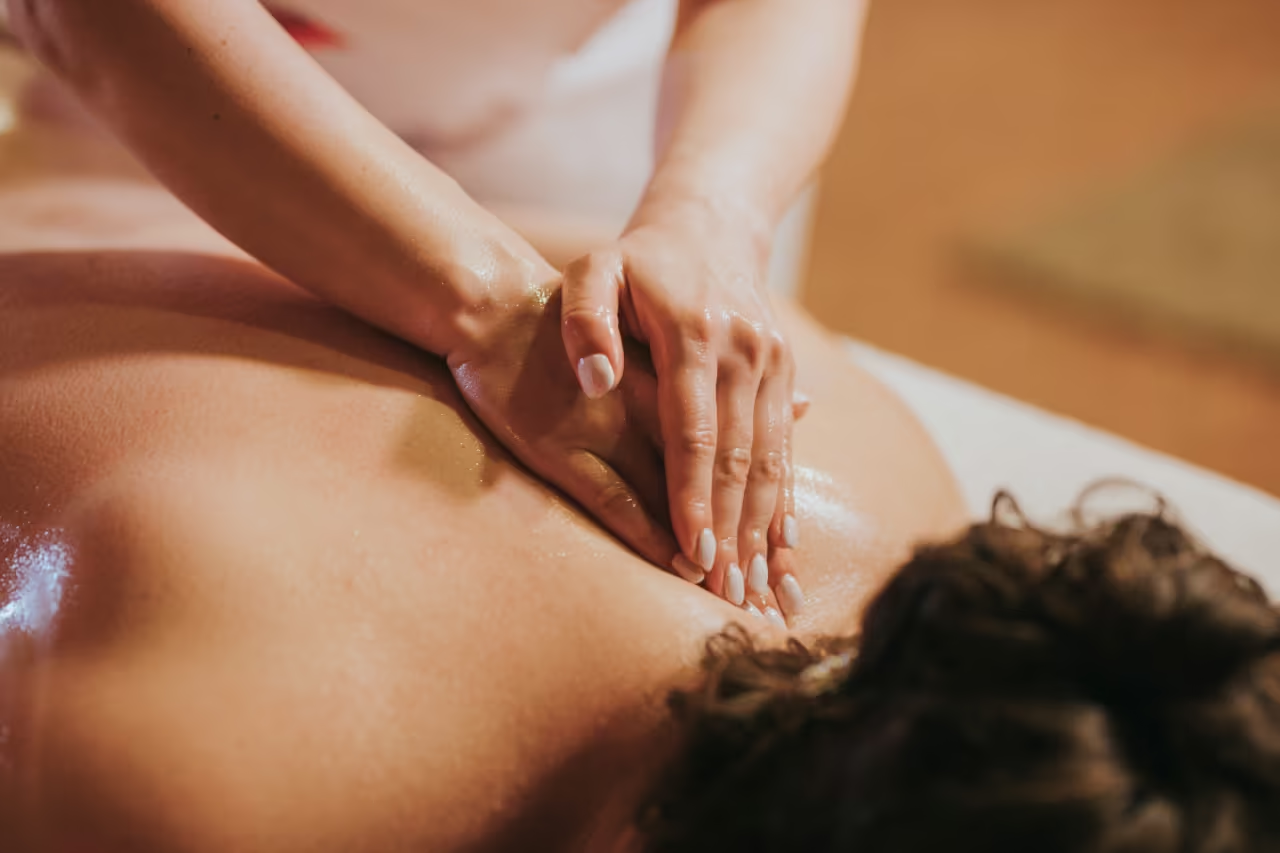
TuiNa & DDS Acupressure Massage
TuiNa & DDS Acupressure Massage combines TuiNa, a Chinese massage technique that works along the meridians and acupressure points, with the DDS bio-current system's gentle micro-current. At Flourish TCM Clinic in Yaletown, Vancouver, it's $110 for 30 minutes or $170 for 60 minutes, with Amir Norouzi.

Body Wellness
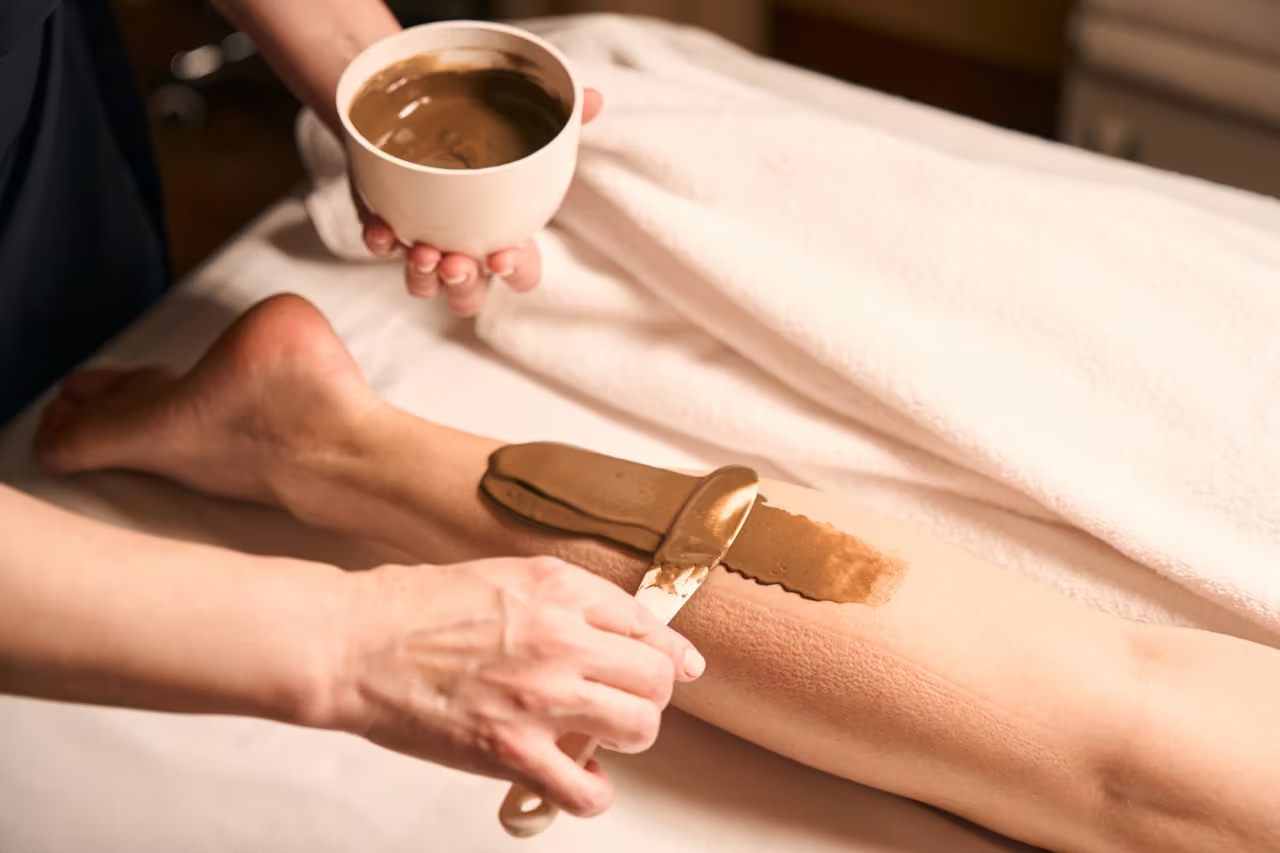
Chinese Medicine Mud Therapy
Chinese Medicine Mud Therapy applies a warm mineral mud, at body temperature, to areas of the body such as the back, shoulders or joints. At Flourish TCM Clinic in Yaletown, Vancouver, it's $150 for 30 minutes, or $260 for 90 minutes combined with DDS acupressure massage, with Amir Norouzi or Mehri Abedi.

Body Wellness
Cupping Therapy
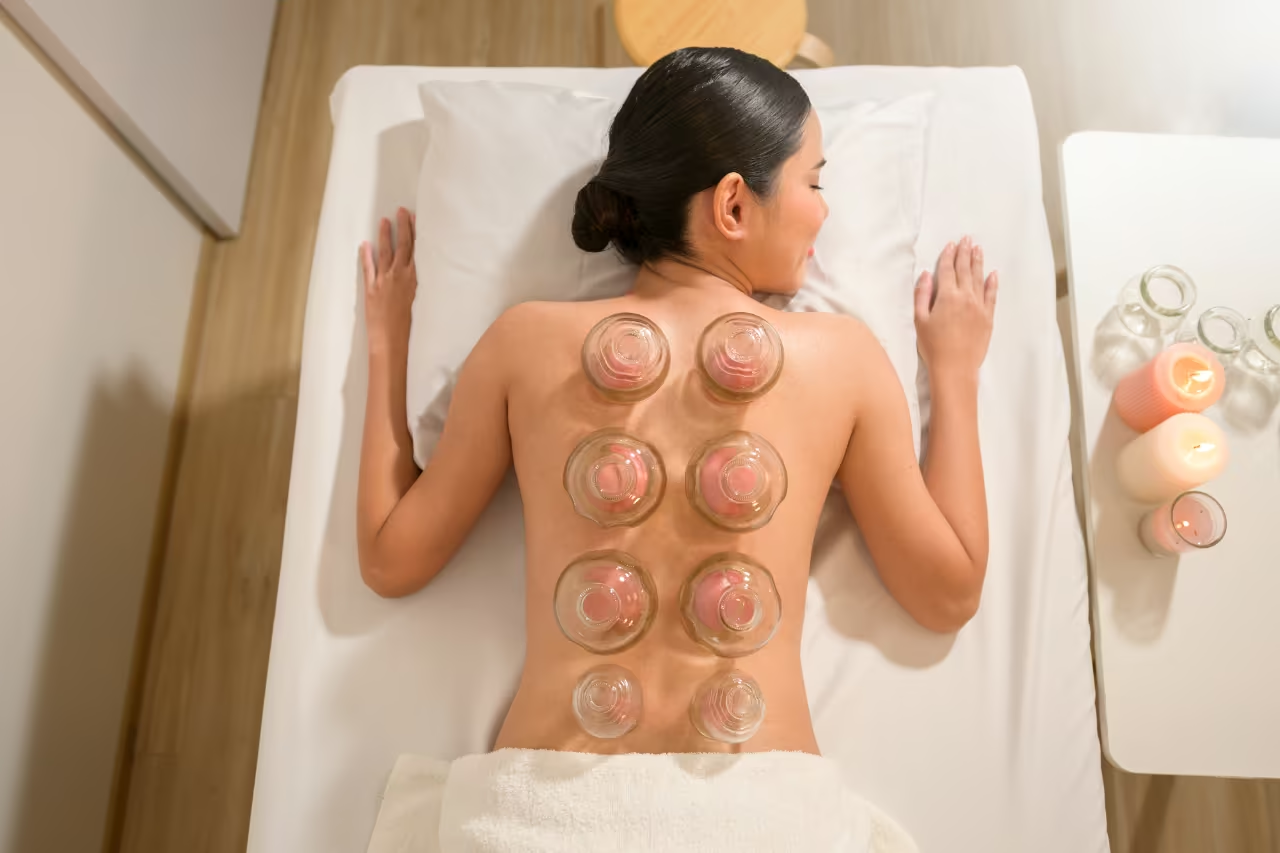
Cupping Therapy is a 30-minute Traditional Chinese Medicine treatment in which vacuum cups are applied over massage oil, to ease muscle tension and help you relax. At Flourish TCM Clinic in Yaletown, Vancouver, it costs $170. Appointments open once a registered acupuncturist joins our team.