Puffiness is usually temporary and most noticeable under the eyes and along the jaw. It tends to settle through the day as you move.
Skin concern
Facial Puffiness
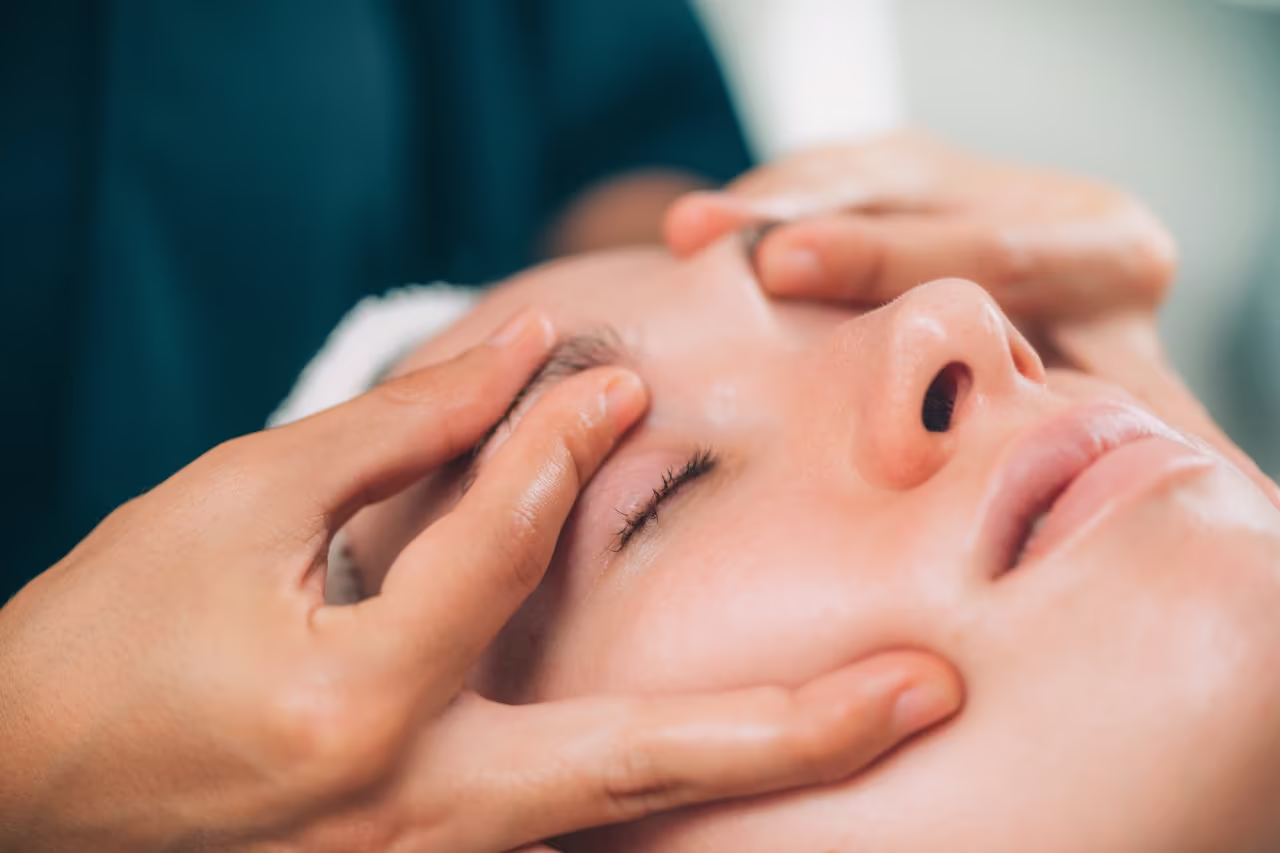
Facial puffiness happens when fluid collects, often in the morning, after salty food, alcohol, poor sleep, allergies or around your cycle. At Flourish TCM Clinic in Yaletown, Vancouver, the Lymphatic Anti-Wrinkle Facial and Lymphatic Drainage Massage use gentle techniques to support fluid movement, from $170.

TCM relates puffiness to "dampness" and to a Spleen system that isn't moving fluids well. Diet, sleep and stress are considered part of the pattern.
Treatments that may help



Body Wellness
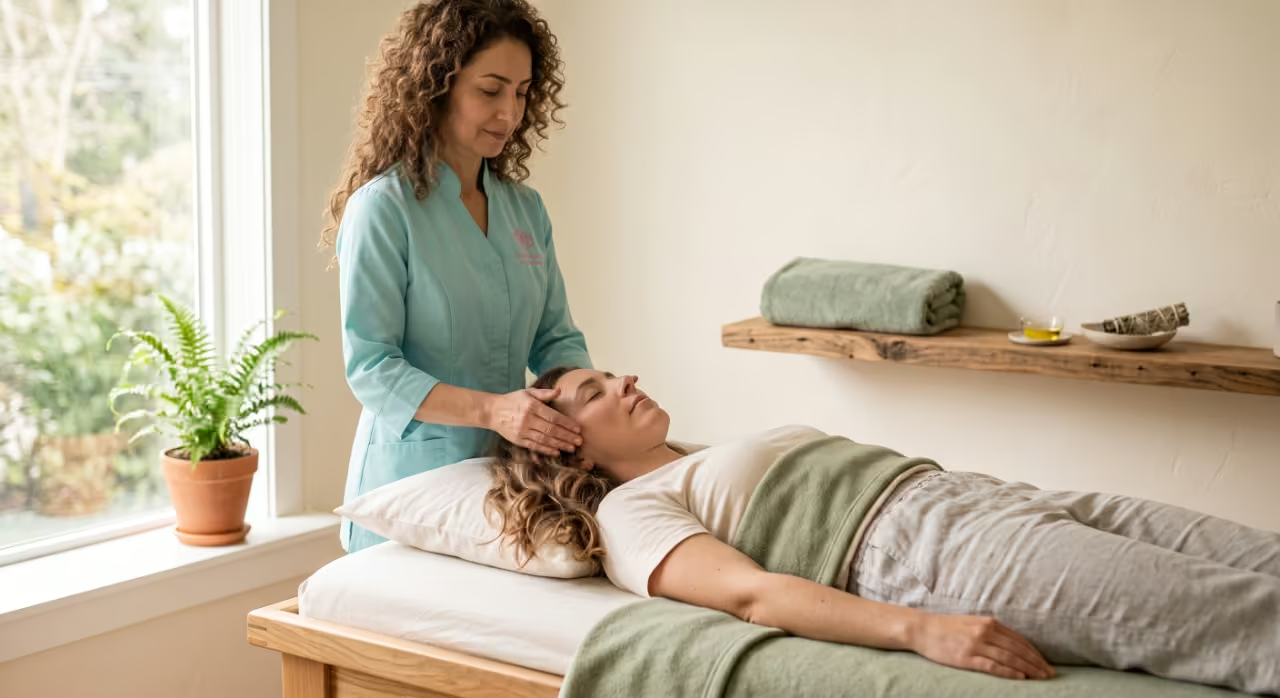
Reiki Healing with Gentle Massage
Relaxation session that includes a gentle gua sha facial

What to expect
Most people see a less puffy look straight after. Everyday habits like sleep, salt, alcohol and hydration make the biggest long-term difference.
Terms to know
Full glossaryGlossary

Lymphatic system
TechnologyThe lymphatic system is a network of vessels and nodes that returns fluid to the bloodstream and supports immune function.
Glossary
Bio-current
TechnologyBio-current, or micro-current, therapy uses a very mild electrical current, delivered at Flourish through the therapist's bare hands during massage.
Glossary
Gua Sha
TCMGua Sha is a Chinese technique of stroking the skin with a smooth-edged tool, gently on the face and more firmly on the body.
Frequently asked questions
Why is my face puffy in the morning?
Fluid settles while you lie down. It usually eases as you move.
Does lymphatic drainage really reduce puffiness?
Many people see a less puffy look afterwards; it's usually temporary.
How often should I book?
As needed, or regularly if you enjoy it.
Is facial puffiness serious?
Usually not. Persistent or one-sided swelling should be checked by a doctor.