A Skin Care Routine for Vancouver's Damp Winters
Damp outside, dry inside: how Vancouver winters affect skin, a simple routine, why SPF still matters, and when a facial helps.

 Written byFlourish TCM ClinicTraditional Chinese Medicine & skin care · Yaletown, Vancouver
 Reviewed byTabasom (Tabi) Mirshahi, R.Ac., R.TCM.P.

A Skin Care Routine for Vancouver's Damp Winters

Vancouver winters are damp outside and dry inside. Rain and grey skies are followed by hours in heated rooms, which pull moisture from your skin. The result is often dull, dehydrated or tight-feeling skin. A simple routine of gentle cleansing, a hydrating serum, a richer moisturiser and daily SPF, plus the occasional facial, keeps skin comfortable through the season.
What does Vancouver's climate do to skin?
It's a common surprise: a rainy city, yet skin feels dry. Outdoor air is damp, but indoor heating dries the air in homes, offices and transit. Your skin moves back and forth between the two all day. Add wind, hot showers and less daylight, and skin can look dull and dehydrated, feel tight, or become more sensitive.
Dehydrated or dry: what's the difference?
- Dehydrated skin lacks water. It can feel tight yet still get oily, and fine lines look more obvious.
- Dry skin lacks oil. It feels rough and flaky and needs richer creams.
Many people are a bit of both in winter.
A simple winter routine
Morning
- A gentle, non-foaming cleanser, or just water if your skin is dry.
- A hydrating serum (for example, one with hyaluronic acid) on slightly damp skin.
- A moisturiser a little richer than your summer one.
- Broad-spectrum SPF 30 or higher.
Evening
- Cleanse gently to remove SPF and makeup.
- Hydrating serum.
- A richer moisturiser or a few drops of facial oil.
- Go easy on exfoliants and retinoids if your skin is irritated; two or three nights a week is plenty.
Everyday habits: shorter, cooler showers; a humidifier at home; water through the day.
Do you really need SPF in winter?
Yes. UV reaches your skin on cloudy days and passes through windows, and UVA, the kind linked to aging and pigmentation, is present year-round. If you're working on pigmentation or have had microneedling, winter SPF matters even more.
When does a facial help?
A professional facial can reset winter skin quickly:
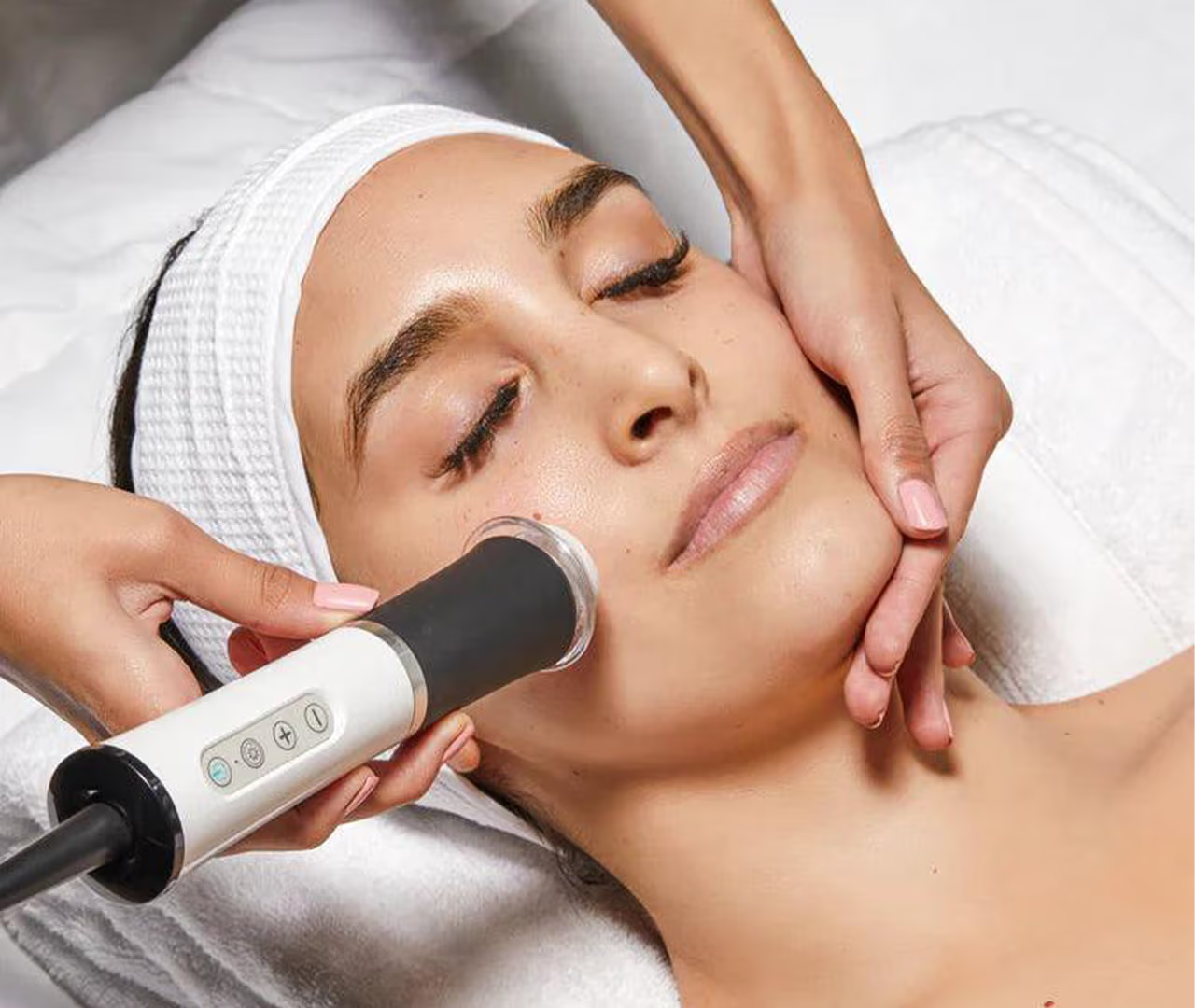
- OxyGeneo Facial: exfoliation, infusion and oxygenation in one pass, for dullness and dehydration. No downtime.
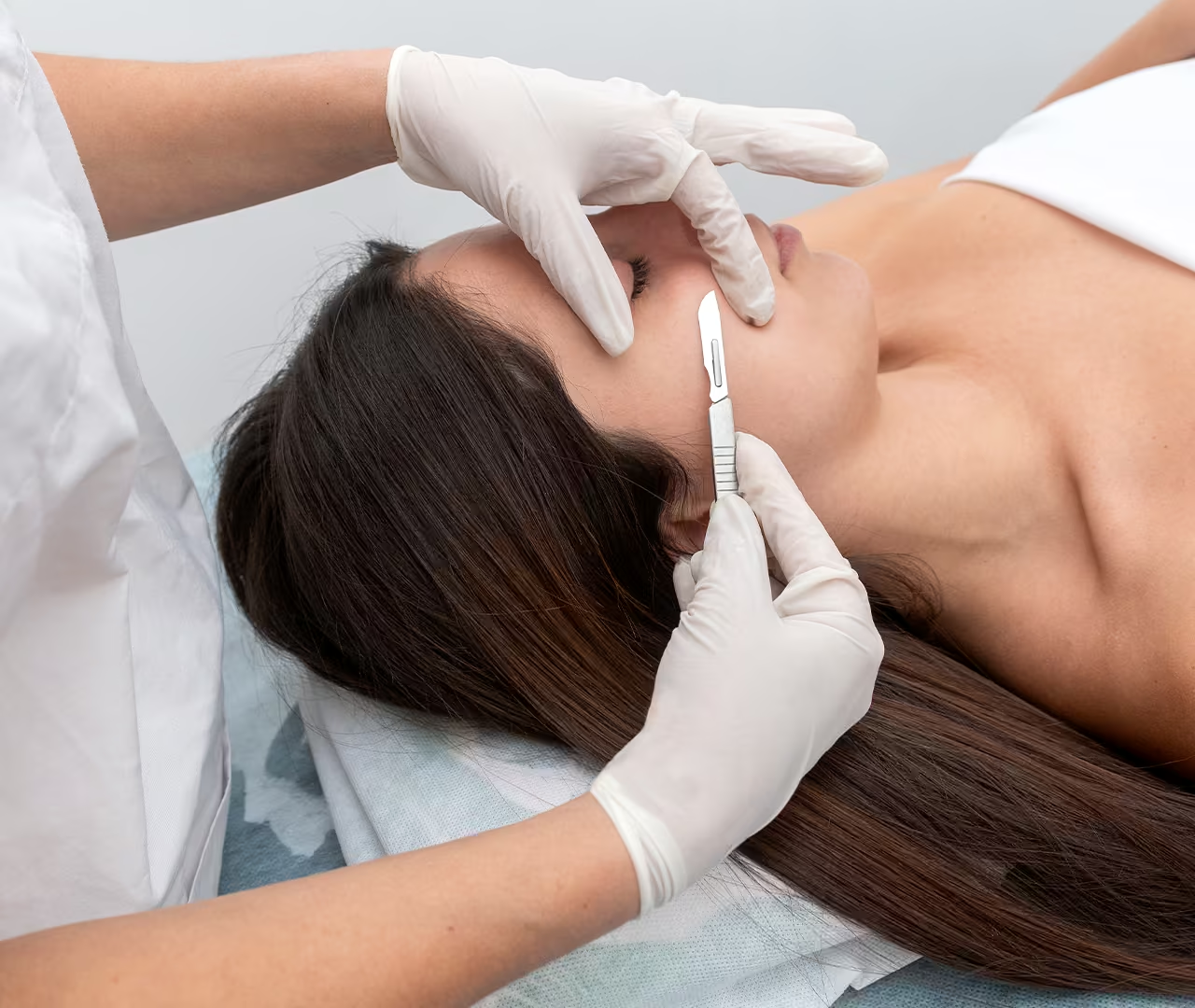
- Dermaplaning + Hydrate & Glow: removes dead skin so hydrating products absorb better.
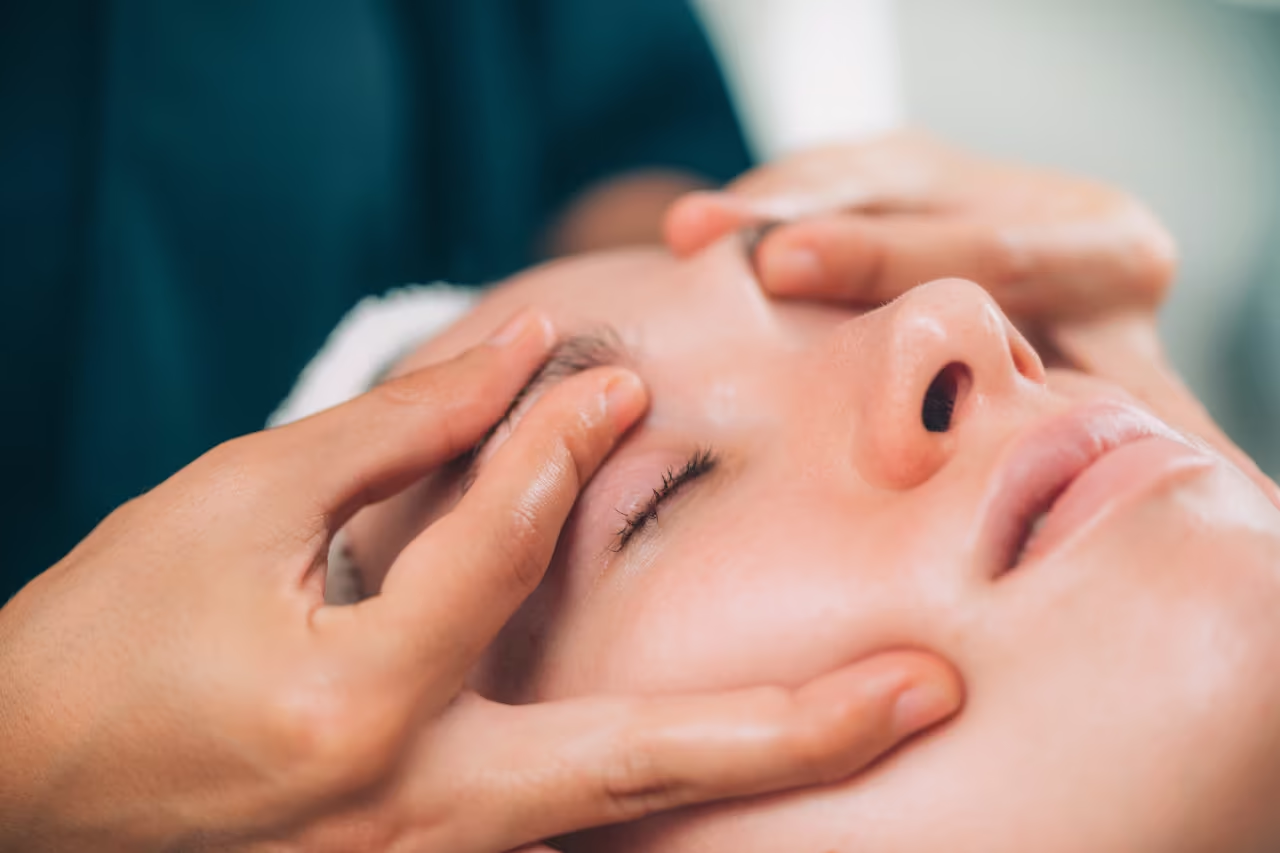
- Bio-Current Facial: gentle and hands-on, for tired, puffy winter skin.
Winter is also a good season for collagen-focused treatments like microneedling, because there's less sun exposure while skin recovers.
The TCM view of winter
In Traditional Chinese Medicine, winter is the season of rest and conserving energy, linked to the Kidney system. TCM advice for winter includes warm, cooked meals, earlier nights and staying warm. The same habits help your skin, which reflects how well you're nourished and rested. Read more in Winter Wellness: Warming Foods and Rest.
When to see a doctor
Very dry, cracked, itchy or scaly patches that don't improve with moisturiser may be eczema or another condition. See your doctor.
Where to book
Winter facials are available at our Yaletown clinic, easy to reach from Fairview and Point Grey. Weekend appointments are open Saturday and Sunday.
Frequently asked questions
Why is my skin dry when it rains so much?
Indoor heating dries the air you spend most of your day in.
Should I exfoliate more in winter?
Usually less. Over-exfoliating irritates dry skin.
Which facial suits winter skin?
OxyGeneo or dermaplaning with hydration are good starting points.
Is facial oil enough on its own?
Oil seals moisture in; pair it with a hydrating serum.
Is SPF necessary in winter?
Yes. UVA is present year-round.
Sources
- Engebretsen KA, et al. The effect of environmental humidity and temperature on skin barrier function and dermatitis. J Eur Acad Dermatol Venereol. 2016. (pubmed.ncbi.nlm.nih.gov)
- American Academy of Dermatology — Sunscreen FAQs (aad.org)
- American Academy of Dermatology — Dermatologists' tips for relieving dry skin (aad.org)
- Health Canada — What is ultraviolet radiation? (canada.ca)
Information on this site is general and isn't a substitute for advice from your physician.
Related to this article
Skin Care & Facials
OxyGeneo Facial
The OxyGeneo Facial is a 90-minute treatment that exfoliates, infuses and oxygenates the skin in a single pass using the OxyGeneo system. At Flourish TCM Clinic in Yaletown, Vancouver, it starts at $230 and is performed by Mina Gharnian, skin care practitioner.

Skin Care & Facials
Dermaplaning + Hydrate & Glow Facial
The Dermaplaning + Hydrate & Glow Facial is a 60-minute treatment that gently removes dead skin cells and fine facial hair with a sterile blade, then deeply hydrates the skin. At Flourish TCM Clinic in Yaletown, Vancouver, it costs $170 and is performed by Mehri Abedi, TuiNa and DDS bio-current therapist.
Skin Care & Facials
Bio-Current (DDS) Facial
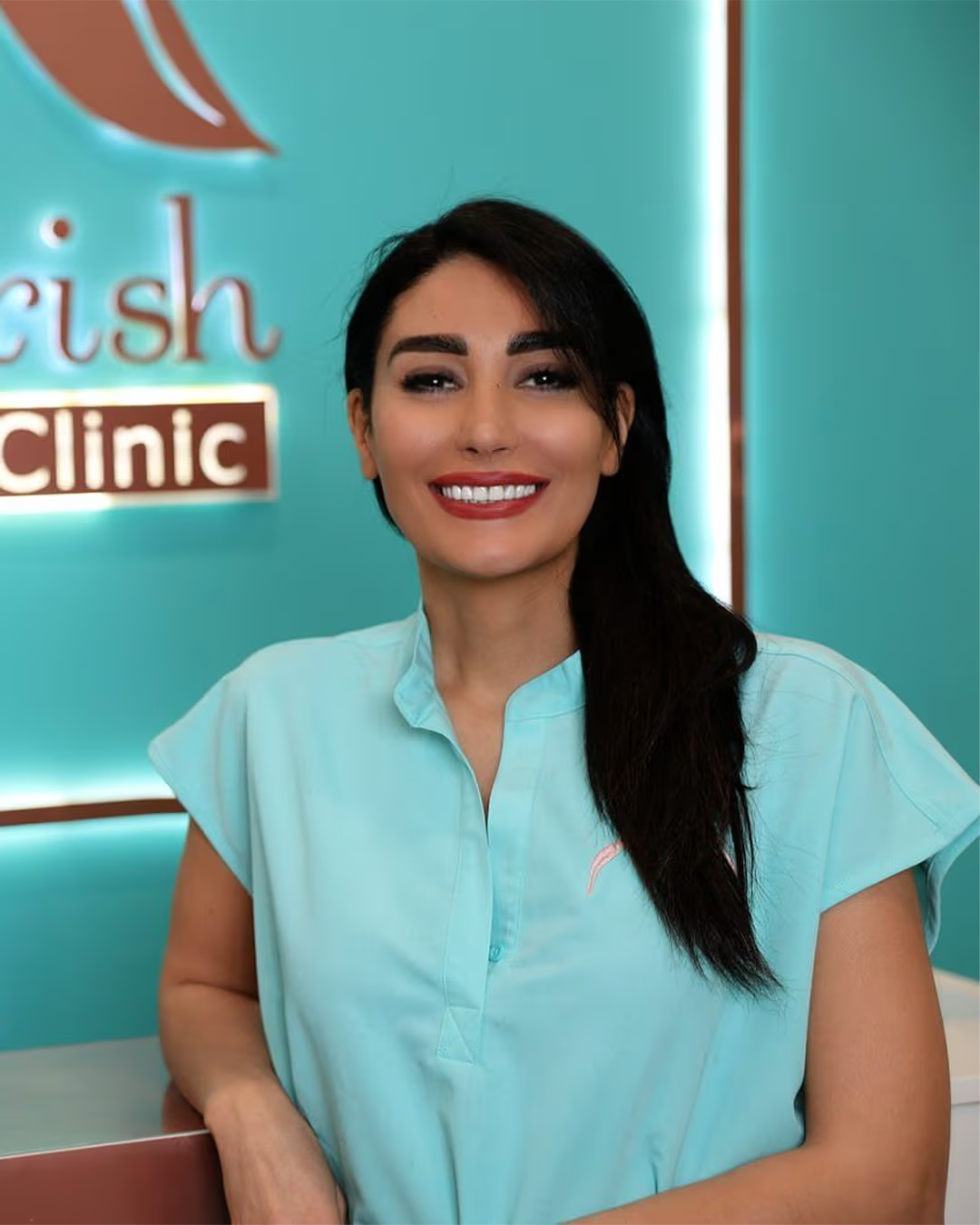
The Bio-Current Facial is a 60-minute facial that uses the DDS bio-current system, a gentle micro-current delivered through the therapist's massage, combined with TCM facial techniques. At Flourish TCM Clinic in Yaletown, Vancouver, it costs $170 and is performed by Mehri Abedi, TuiNa and DDS bio-current therapist.
Skin Care & Facials
Microneedling + LED
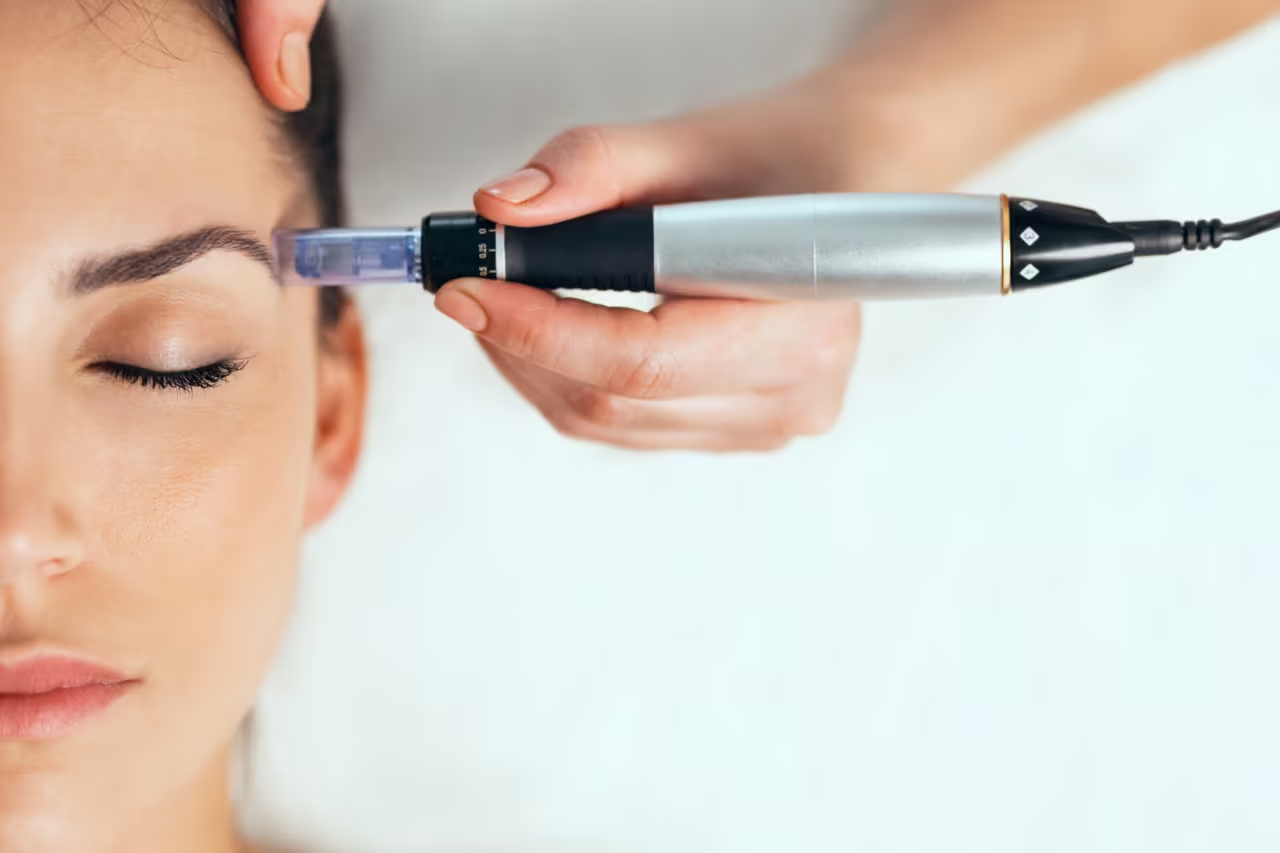
Microneedling + LED is a collagen-induction treatment that uses a fine-needle pen to create controlled micro-channels, followed by calming LED light. At Flourish TCM Clinic in Yaletown, Vancouver, the face and neck treatment is 120 minutes, $330, performed by Mina Gharnian, skin care practitioner.