Postpartum Skin Changes and Gentle Facial Care
Common skin changes after birth, why they happen, what helps, when to resume stronger treatments, and when to see a doctor.

 Written byFlourish TCM ClinicTraditional Chinese Medicine & skin care · Yaletown, Vancouver
 Reviewed byTabasom (Tabi) Mirshahi, R.Ac., R.TCM.P.

Postpartum Skin Changes and Gentle Facial Care

After birth, falling hormones and very little sleep often change the skin: breakouts, dryness, dullness, lingering melasma, and hair shedding a few months in. Most changes settle over the following months. Gentle care, hydration, daily SPF and rest help. Stronger treatments like microneedling usually wait until breastfeeding ends and your skin has settled.
Common postpartum skin changes
- Breakouts as hormones shift.
- Dryness and sensitivity.
- Dullness and dark circles from broken sleep.
- Lingering melasma from pregnancy.
- Hair shedding, often around 2–4 months after birth.
- Stretch marks, which fade in colour over time.
Why do they happen?
During pregnancy, hormones such as oestrogen are high. After birth they drop quickly, and breastfeeding keeps some levels different for months. Add disrupted sleep, stress and changes in routine, and the skin reflects it.
Postpartum hair shedding (telogen effluvium) happens because more hairs rest during pregnancy and then shed together afterwards. It usually recovers over months. See hair loss and thinning.
What helps?
- A simple routine: gentle cleanser, hydrating serum, moisturiser.
- Daily SPF to help melasma fade.
- Water and nourishing food, especially if breastfeeding.
- Rest when you can. Easier said than done, but it matters.
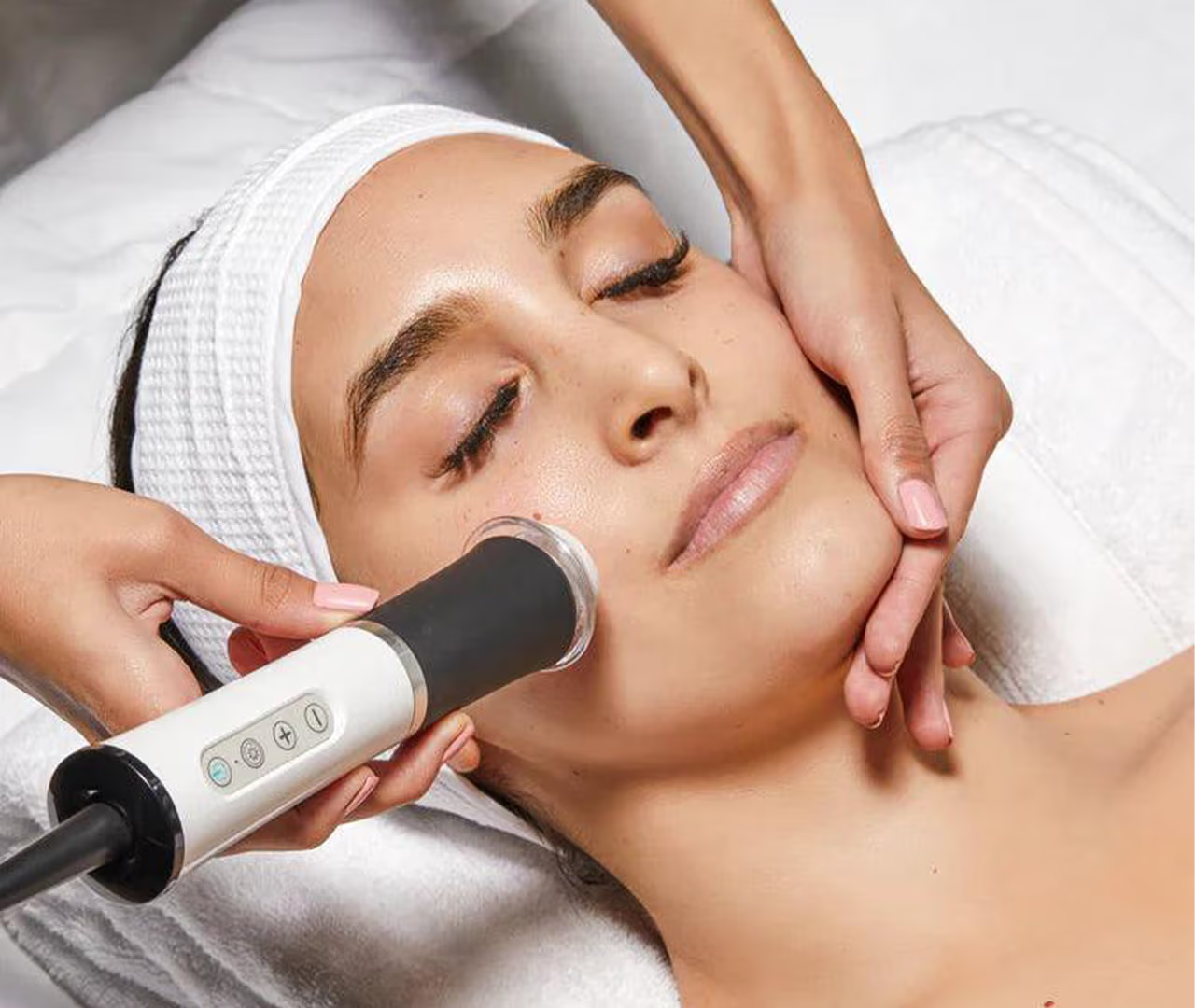
- Gentle professional care: our Pregnancy & New Mom Facial is 75 minutes of gentle skin care and quiet rest.
When can you resume stronger treatments?
As a general guide (always check with your doctor):
- Microneedling, TriPollar RF, micro-current, strong peels, retinoids: usually after breastfeeding ends and your skin has settled.
- Gentle facials, lymphatic drainage and relaxation: usually once you feel ready and your doctor or midwife agrees.
- After a caesarean: wait for your doctor's clearance before body treatments.
When you're ready, OxyGeneo is a gentle way back into regular skin care. For lingering pigmentation, ask about options once you've finished breastfeeding.
A TCM view
Traditional Chinese Medicine treats the weeks after birth as a time of deep recovery and replenishment. Warmth, nourishing foods and rest are central to TCM postpartum care traditions. The same ideas support your skin.
When to see a doctor
See your doctor for hair loss that continues beyond about a year or comes out in patches; persistent low mood, anxiety or feeling overwhelmed (postpartum mood changes are common and treatable); a rash, fever, or wound redness after a caesarean; or any skin change that worries you. If you're in crisis, call or text 9-8-8.
Where to book
Gentle facials with Mina, and lymphatic and relaxation treatments, are available at our Yaletown clinic, near Olympic Village and Mount Pleasant.
Frequently asked questions
Does postpartum hair loss last?
Usually not; it typically recovers over months.
When can I get a facial after birth?
A gentle facial whenever you feel ready.
Can I have microneedling while breastfeeding?
It's usually paused until after breastfeeding.
Will melasma fade after pregnancy?
It often fades; daily SPF helps.
Can I bring my baby?
Please ask the clinic when booking.
Sources
- American Academy of Dermatology — Hair loss in new moms (aad.org)
- American Academy of Dermatology — Melasma: overview (aad.org)
- HealthLinkBC — Postpartum depression (healthlinkbc.ca)
- 9-8-8 Suicide Crisis Helpline (Public Health Agency of Canada) — Call or text 9-8-8 (988.ca)
Information on this site is general and isn't a substitute for advice from your physician.
Related to this article
Skin Care & Facials
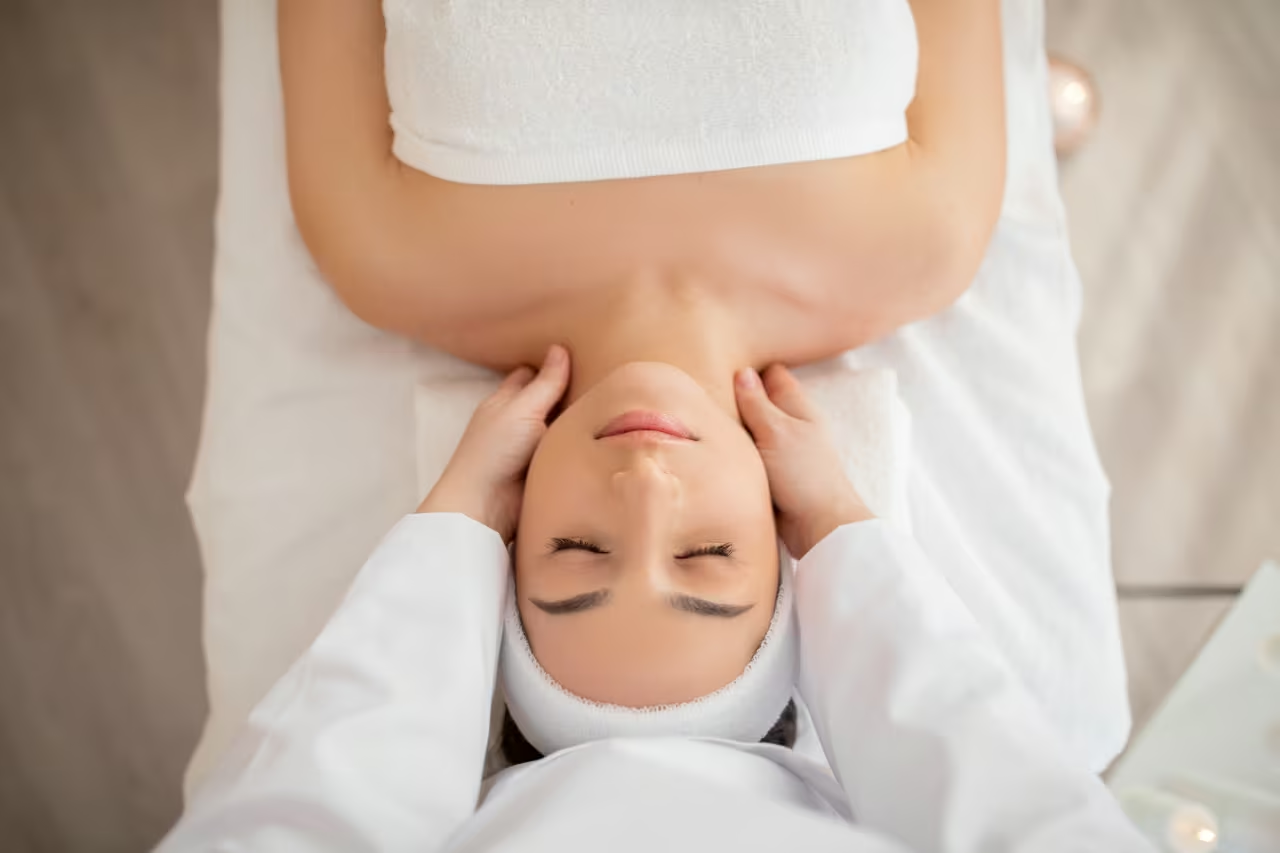
Pregnancy & New Mom Facial
The Pregnancy & New Mom Facial is a gentle 75-minute facial for people who are pregnant or in the months after birth, using only OxyGeneo skin care products and no devices or machinery. At Flourish TCM Clinic in Yaletown, Vancouver, it costs $230 and is performed by Mina Gharnian, skin care practitioner.
Skin Care & Facials
OxyGeneo Facial
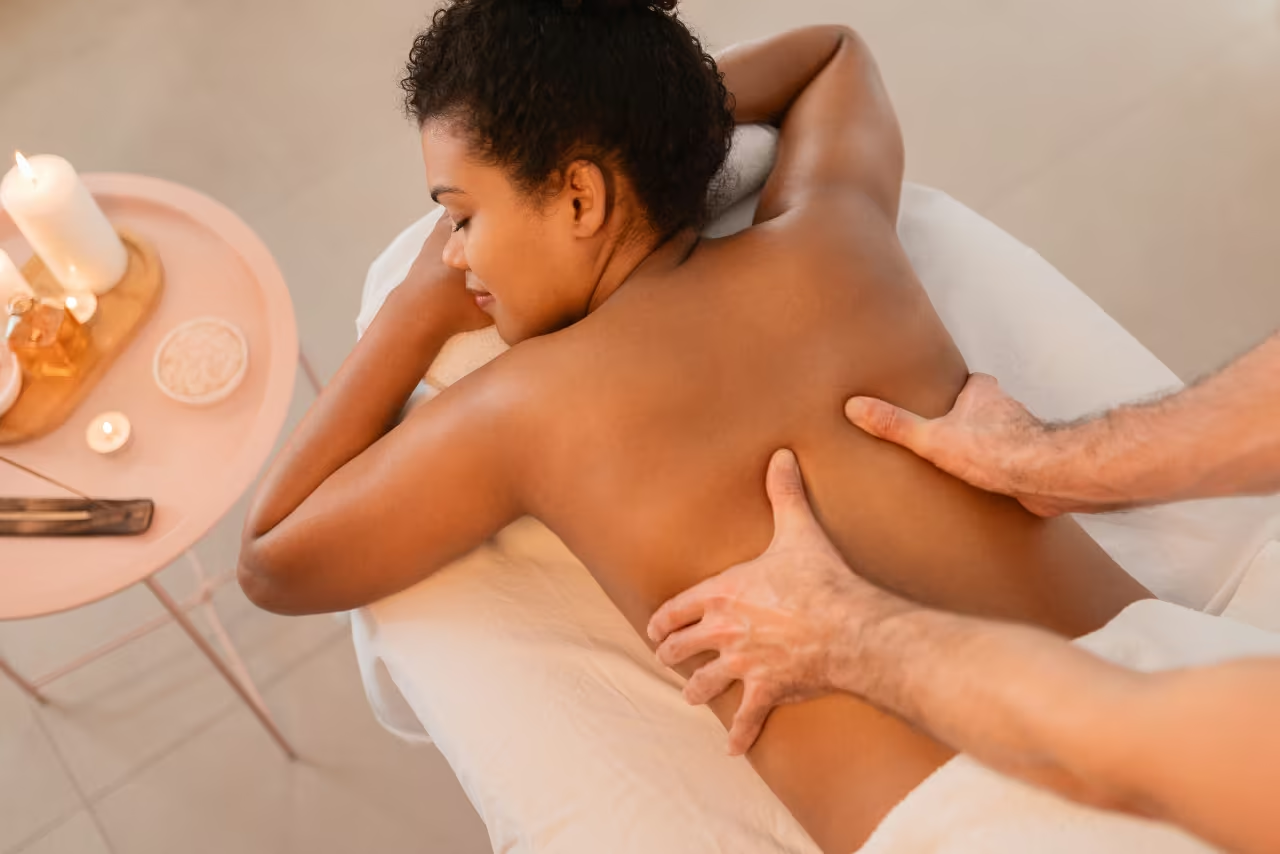
The OxyGeneo Facial is a 90-minute treatment that exfoliates, infuses and oxygenates the skin in a single pass using the OxyGeneo system. At Flourish TCM Clinic in Yaletown, Vancouver, it starts at $230 and is performed by Mina Gharnian, skin care practitioner.
Body Wellness
Lymphatic Drainage Massage
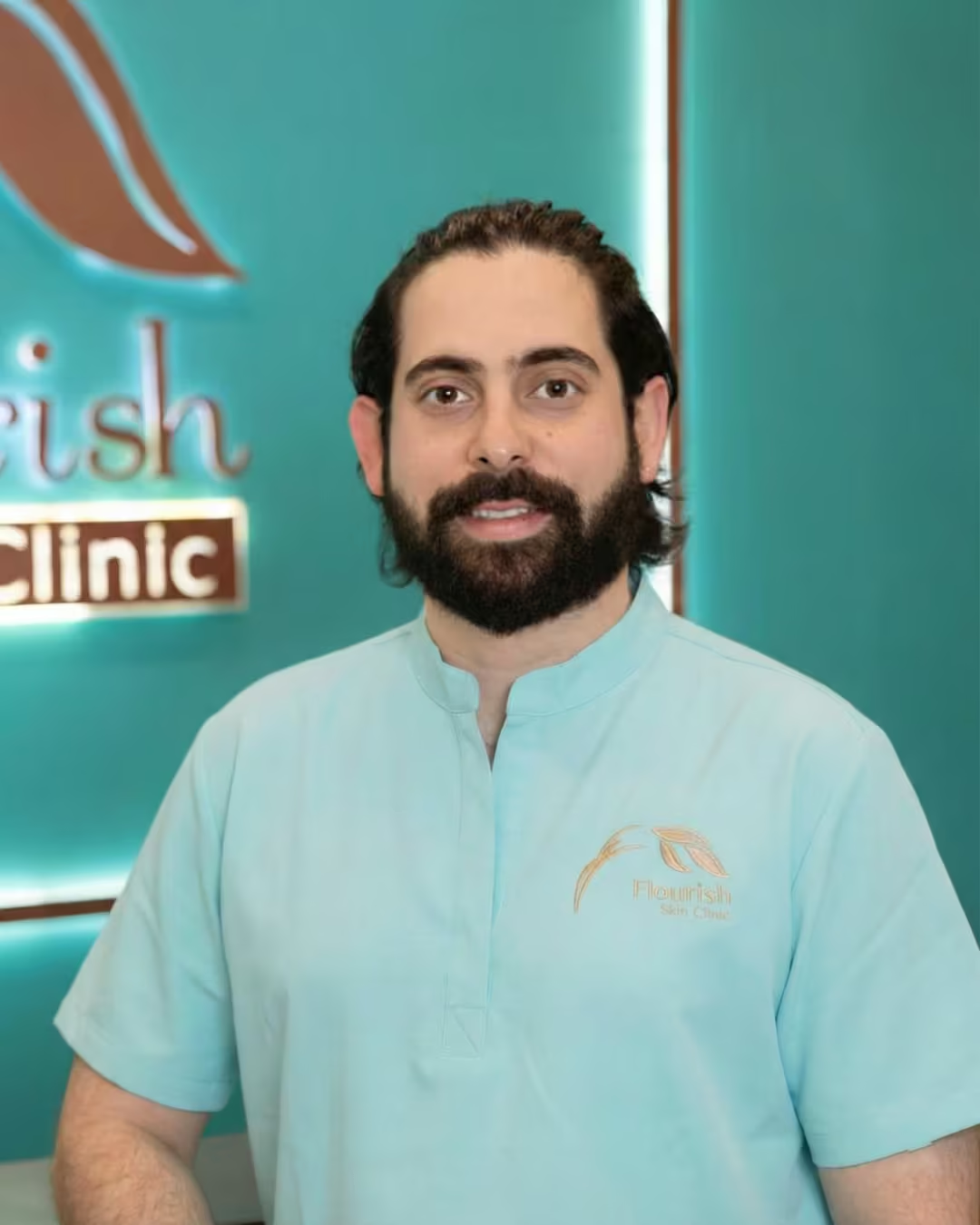
Lymphatic Drainage Massage is a gentle, rhythmic massage that uses directional strokes to support the flow of lymph fluid. People book it for swelling, puffiness and recovery after surgery, with their surgeon's clearance. At Flourish TCM Clinic in Yaletown, Vancouver, it's $170 for 60 minutes.
Body Wellness
Relaxation Massage
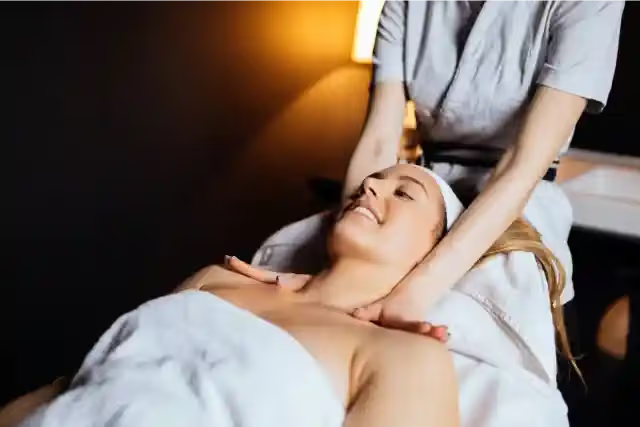
Relaxation Massage is a calming, Swedish-style full-body massage using long, flowing strokes to help you unwind. At Flourish TCM Clinic in Yaletown, Vancouver, it's $170 for 60 minutes or $250 for two hours, with Amir Norouzi. It is a relaxation service, not registered massage therapy.