Needles, cups and tools: what clean practice looks like in a BC clinic
Acupuncture needles are sterile and used once. Reusable tools are cleaned between clients. Here is who sets the rules in BC, and what you can ask.

 Written byFlourish TCM ClinicTraditional Chinese Medicine & skin care · Yaletown, Vancouver
 Reviewed byTabasom (Tabi) Mirshahi, R.TCM.P., R.Ac.
Needles, cups and tools: what clean practice looks like in a BC clinic
Acupuncture needles in British Columbia are sterile, used once and dropped into a sharps container. Reusable tools such as cupping cups are cleaned and sterilized between clients. Infection is a known but uncommon risk, and much of what prevents it is visible to you.
There is a question people rarely ask out loud at a first appointment: has this needle been in someone else? It has not. In British Columbia an acupuncture needle is a single-use item, and the rest of a clinic's tools are sorted by whether they break the skin. Here is how that works, and how much of it you can see for yourself.
Are acupuncture needles ever reused?
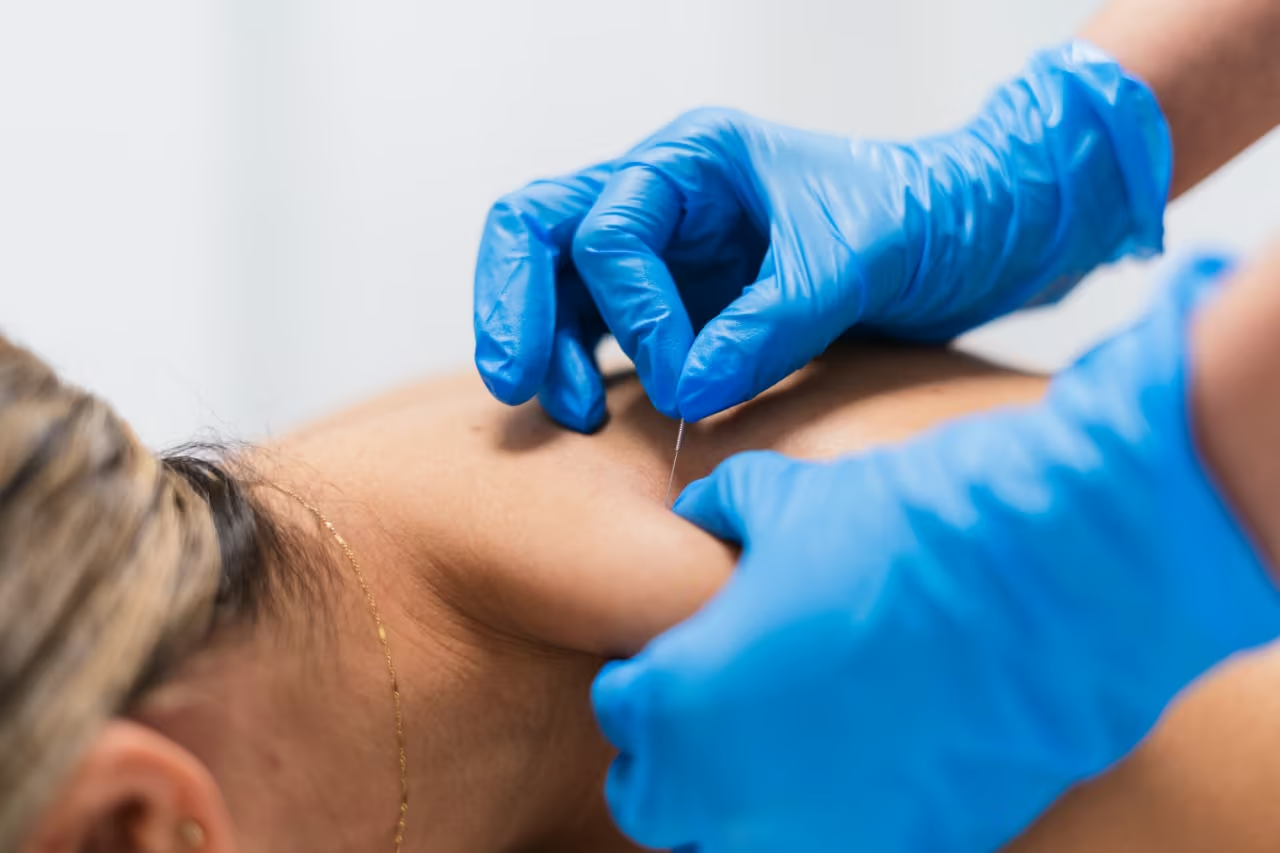
No. Our own Acupuncture page puts it in one line: every needle is sterile, single-use and disposed of after your session. The needle arrives sealed from its maker, is opened for your treatment, and goes into a container for sharp waste as soon as it comes out. Nothing is cleaned and used again. A review published in Medical Acupuncture in August 2025 calls single-use, pre-sterilized disposable needles the gold standard for preventing cross-contamination, and asks clinics to keep the sharps container in the room so used needles do not travel.
How often does acupuncture cause an infection?
Rarely, by the numbers we have. An evidence mapping in the journal Chinese Medicine that pooled 535 systematic reviews put the incidence of adverse events between 6.71 and 8.6 per cent, and the incidence of serious adverse events at about 0.001 per cent. Infection was reported in 19 of those studies, and the paper records that every patient recovered after appropriate treatment. The cause matters more than the number, and the same paper names it plainly.
Infection, one of the most common acupuncture adverse effects, was reported in 19 studies (1.56%). All patients recovered after appropriate treatment. Infection is mainly due to unsterilized needles, repeated use of needles, or contact with clothing at the needlepoint.
Xu M, Yang C, Nian T, et al. Adverse effects associated with acupuncture therapies: an evidence mapping from 535 systematic reviews. Chinese Medicine, 2023.
What about cups, blades and the tools used on skin?
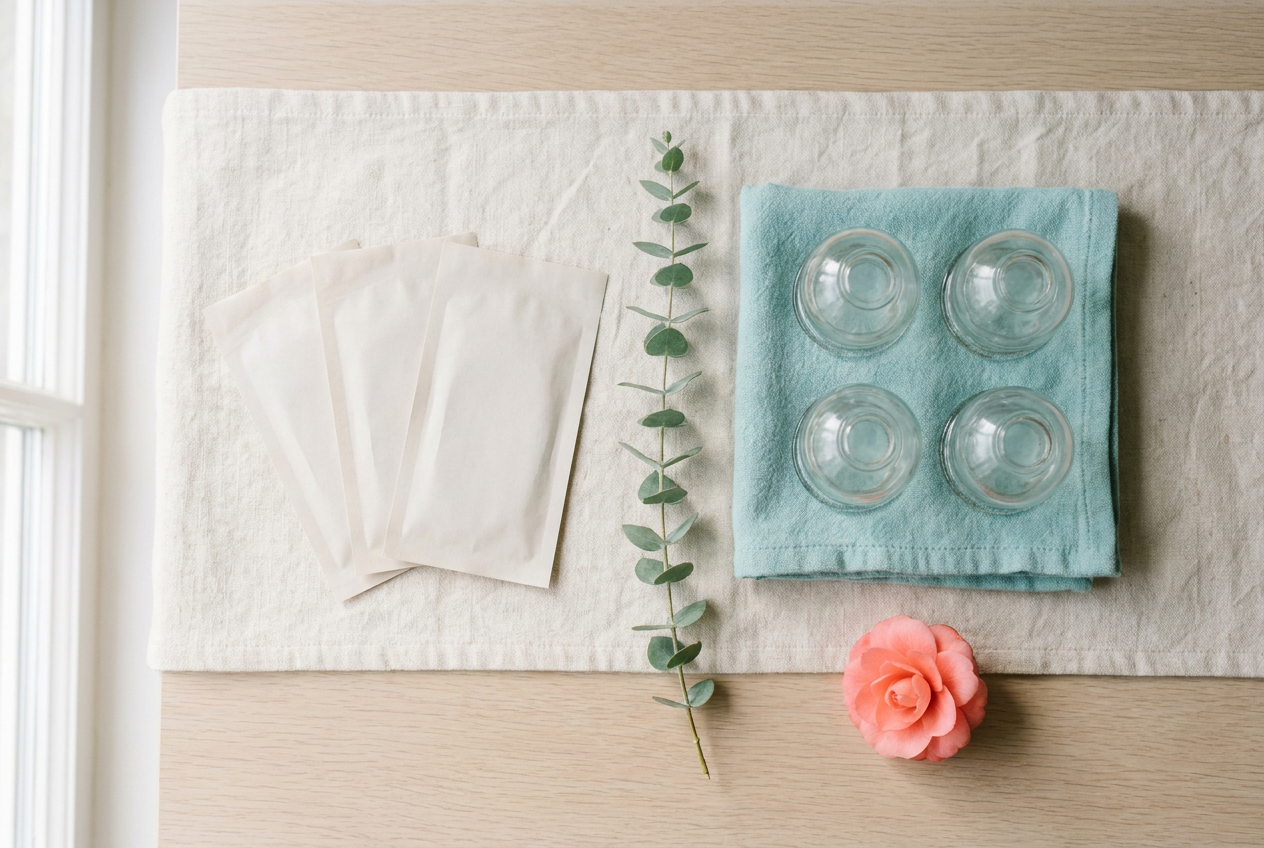
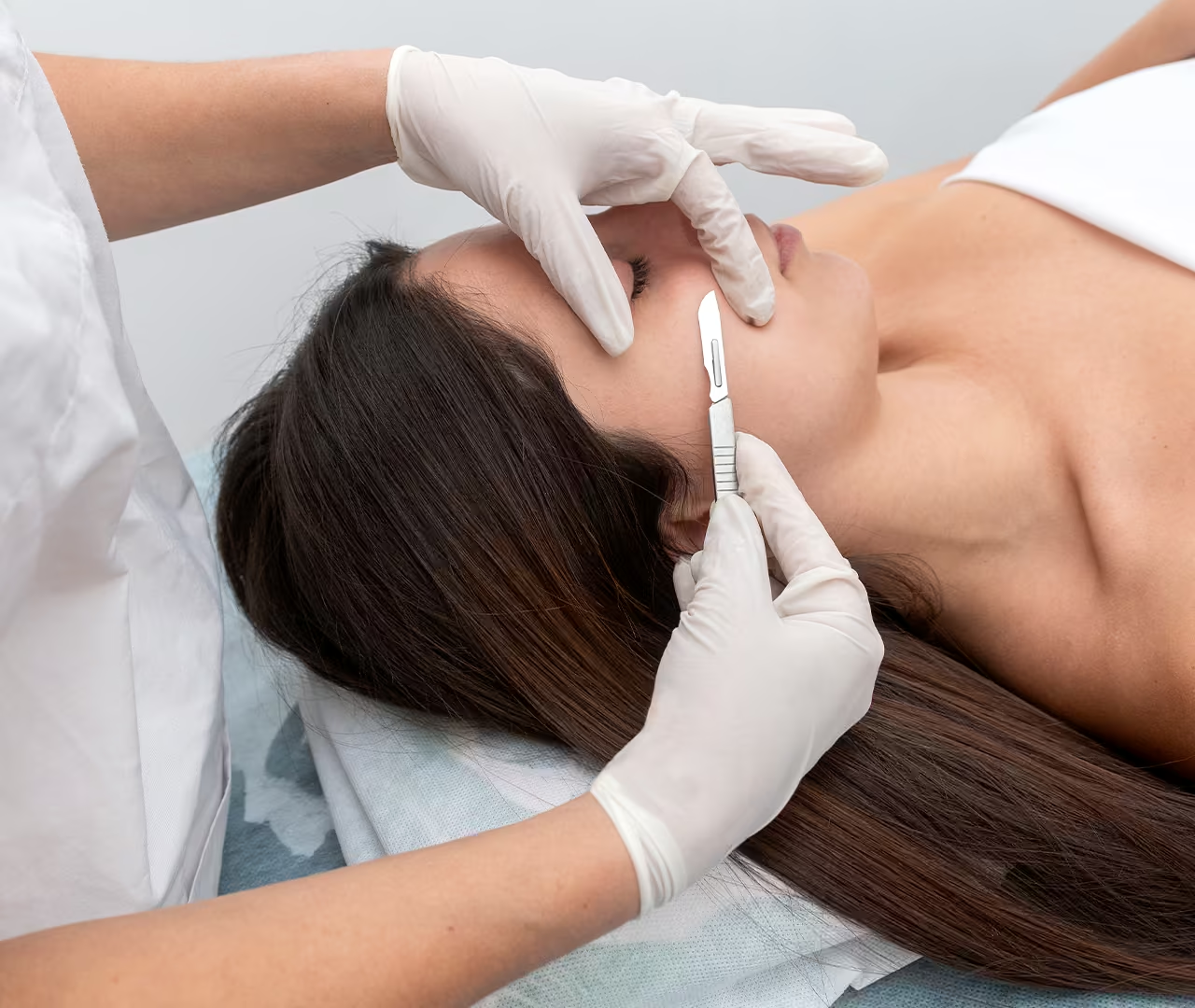
They are sorted by what they touch. A cupping cup is made to be used again, so what keeps it safe is cleaning and sterilizing it between clients rather than throwing it away. A blade is the opposite: our Dermaplaning and Hydrate and Glow Facial page describes a sterile surgical blade held at a shallow angle and drawn across the skin in short strokes, and a blade like that belongs to one person only. Tools that touch intact skin and never break it sit in a third group with a lighter standard. The province treats this kind of work as a personal service establishment, which it defines as one that provides a personal service to or on the body of another person, and it publishes guidelines for those establishments that operators are expected to follow.
Who makes sure a practitioner knows this?
The regulator, before the licence is granted. Acupuncturists and Traditional Chinese Medicine practitioners in this province are licensed by the College of Complementary Health Professionals of BC, and its applicants page says the Interactive Safety Course is a mandatory requirement for all applicants seeking licensure with the College. For an acupuncturist the required modules are infection and prevention control, risk management of Traditional Chinese Medicine practice, and safe procedures and practices for acupuncture. A Traditional Chinese Medicine practitioner takes those three and adds a herbology module. If you want to confirm one person's licence rather than the rule in general, our guide on how to check a practitioner's licence in British Columbia walks through the public register.
What can you look for at your own appointment?
Four things, and none of them need an awkward conversation. Hand washing before and after the treatment is the one the 2025 review puts first. A sealed packet opened in front of you answers the needle question without your having to ask it. A container for sharp waste in the room means used needles are not being carried anywhere. And a clear answer about how reusable tools are cleaned is a good sign in itself.
- Ask for the needle packet to be opened in front of you.
- Look for a container for sharp waste in the treatment room.
- Watch for hand washing before and after your treatment.
- Ask how reusable tools are cleaned between clients.
- See your family physician about any sign of infection.
When should you see a doctor instead?
Whenever treated skin starts looking worse rather than better. Spreading redness, swelling that keeps growing, warmth, pus or a fever after any treatment that breaks the skin is a reason to see your family physician or a walk-in clinic the same day, not a reason to wait for your next appointment. Please do not send symptoms to us through a form or an email, because our forms ask you not to include health details, and someone who can look at the skin is the right person for it.
Asking about this at our Yaletown clinic
Our clinic is on Mainland Street in Yaletown, a short walk from Downtown Vancouver, the West End and False Creek, and the Yaletown page carries the route notes. Acupuncture and cupping therapy are performed only by a registered practitioner, and the practitioners who offer them have no openings for new patients right now. The Acupuncture page has the waitlist, and we will contact you as soon as appointments open. If neck and shoulder tension is what brought you here, the neck and shoulder tension page lists what is available today, and each treatment's own page shows its current durations and prices.
Frequently asked questions
Are acupuncture needles reused at your clinic?
No. Our Acupuncture page states that every needle is sterile, single-use and disposed of after your session. The needle is not cleaned, not re-sterilized and not used on anyone else; it goes into a container for sharp waste as soon as it is removed.
How likely is an infection from acupuncture?
An evidence mapping of 535 systematic reviews in Chinese Medicine reported adverse events in 6.71 to 8.6 per cent of cases and serious adverse events in about 0.001 per cent. Infection appeared in 19 of those studies, and every patient recovered after appropriate treatment. The paper attributes infection mainly to unsterilized needles, reuse of needles, or contact with clothing at the needle point.
Are cupping cups thrown away after one client?
No, a cup is made to be used again. That is why the standard for a reusable tool is cleaning and sterilizing it between clients, while the standard for anything that pierces the skin is a sealed single-use item. Asking which group a tool belongs to is a fair question at any clinic.
Who sets infection control rules for acupuncture in British Columbia?
The College of Complementary Health Professionals of BC licenses acupuncturists and Traditional Chinese Medicine practitioners in the province, and its applicants page makes the Interactive Safety Course a mandatory requirement for everyone seeking licensure. Infection and prevention control is one of its required modules.
What should I do if my skin looks infected after a treatment?
See your family physician or a walk-in clinic the same day, especially with spreading redness, growing swelling, warmth, pus or a fever. Do not wait for your next appointment, and please do not describe symptoms to us in a form or an email, because our forms ask you not to include health details.
Information on this site is general and isn't a substitute for advice from your physician.
Related to this article
Body Wellness
Acupuncture
Acupuncture is a Traditional Chinese Medicine treatment in which a registered acupuncturist places fine, sterile needles at specific points on the body. At Flourish TCM Clinic in Yaletown, Vancouver, a 45-minute session costs $170. Appointments open once a registered acupuncturist joins our team; join the waitlist.
Body Wellness
Cupping Therapy
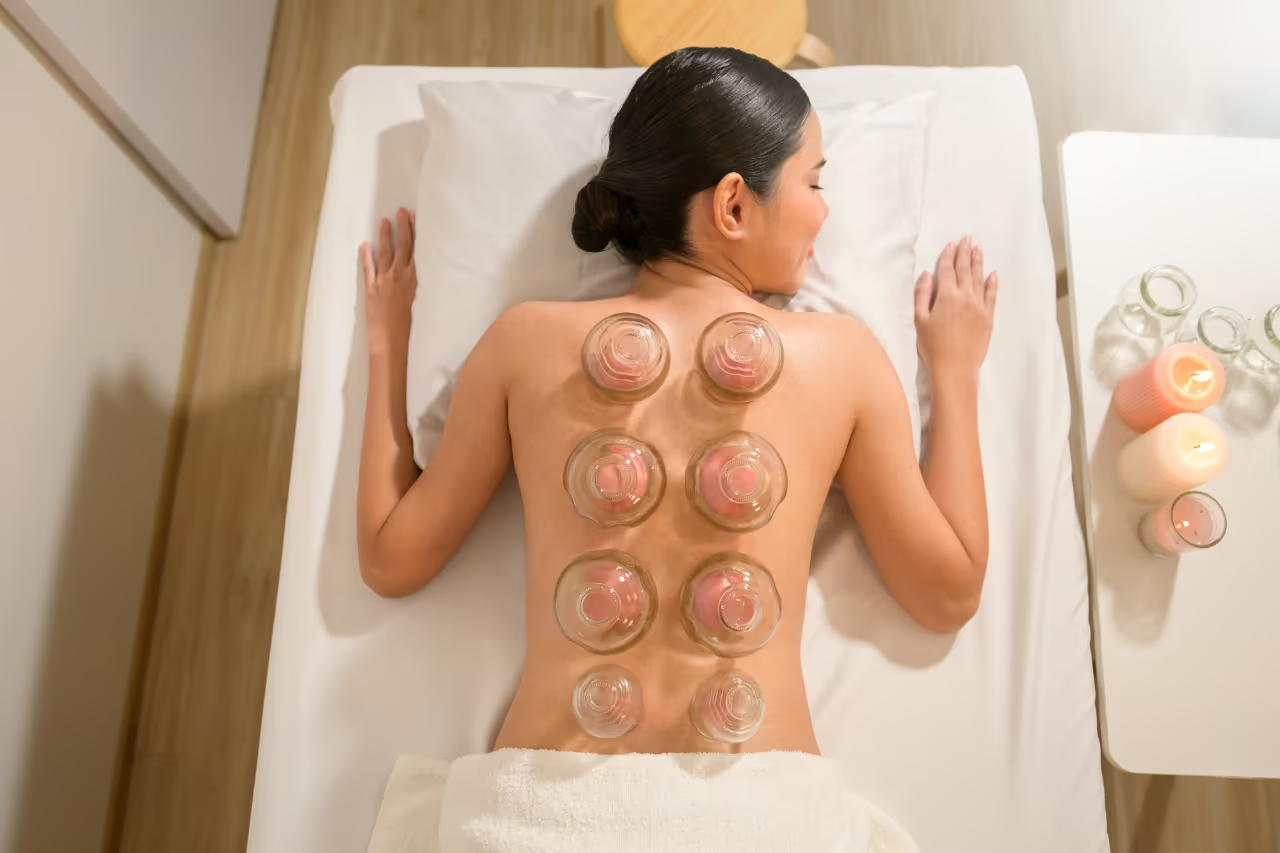
Cupping Therapy is a 30-minute Traditional Chinese Medicine treatment in which vacuum cups are applied over massage oil, to ease muscle tension and help you relax. At Flourish TCM Clinic in Yaletown, Vancouver, it costs $170. Appointments open once a registered acupuncturist joins our team.
Skin Care & Facials
Dermaplaning + Hydrate & Glow Facial
The Dermaplaning + Hydrate & Glow Facial is a 60-minute treatment that gently removes dead skin cells and fine facial hair with a sterile blade, then deeply hydrates the skin. At Flourish TCM Clinic in Yaletown, Vancouver, it costs $170 and is performed by Mehri Abedi, DDS Bio-Current Technician.

Skin Care & Facials
Microneedling + LED
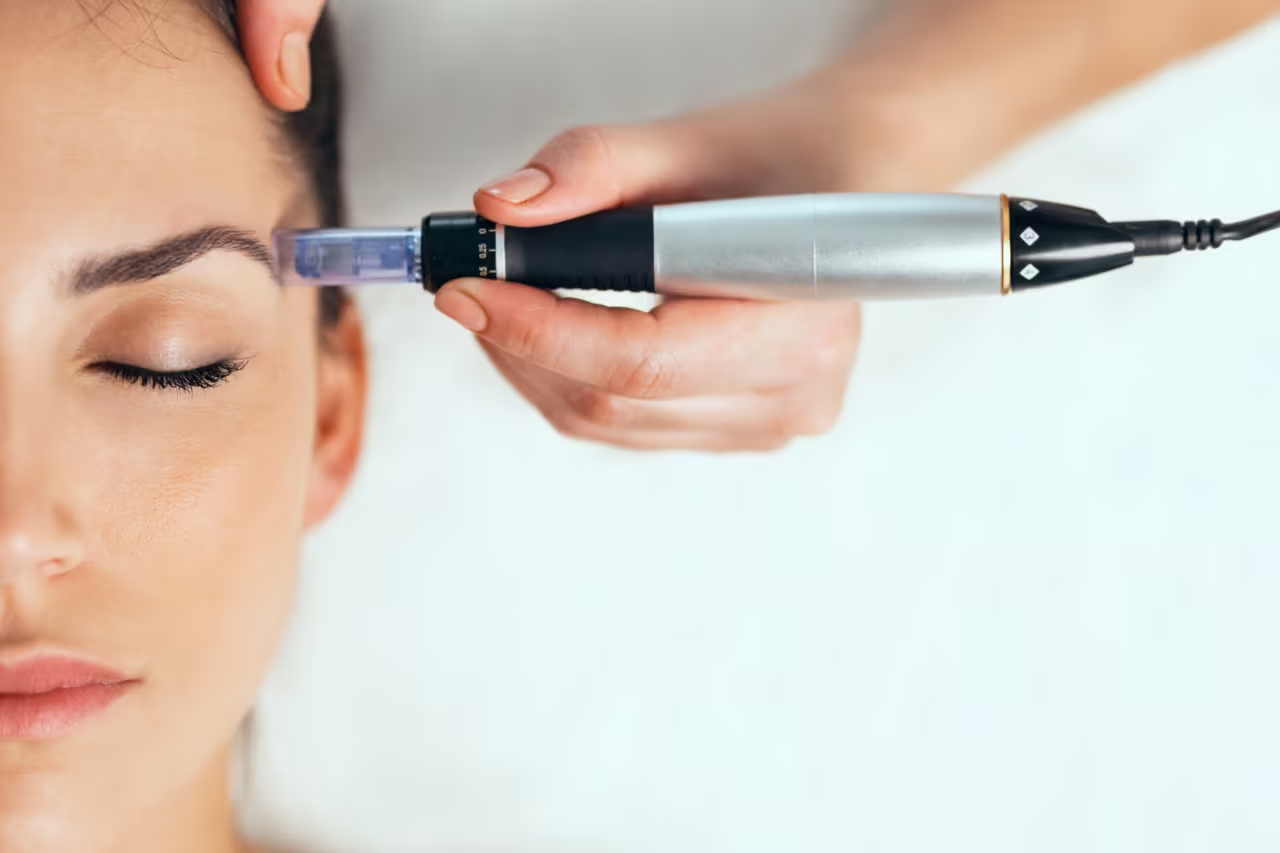
Microneedling + LED is a collagen-induction treatment that uses a fine-needle pen to create controlled micro-channels, followed by calming LED light. At Flourish TCM Clinic in Yaletown, Vancouver, the face and neck treatment is 120 minutes, $330, performed by Mina Gharnian, Skin Care Practitioner.