Lymphatic Massage vs TCM Lymphatic Treatment: Which to Book?
Two ways to support fluid movement: hands-on lymphatic massage, or acupuncture with cupping. How they differ and which suits you.

 Written byFlourish TCM ClinicTraditional Chinese Medicine & skin care · Yaletown, Vancouver
 Reviewed byTabasom (Tabi) Mirshahi, R.Ac., R.TCM.P.
Lymphatic Massage vs TCM Lymphatic Treatment: Which to Book?
Flourish offers two approaches to swelling and heaviness. Lymphatic Drainage Massage is a gentle, hands-on massage that supports lymph flow. The TCM Lymphatic Drainage Treatment combines laser acupuncture, needle acupuncture and cupping, based on TCM's idea of "dampness." The massage is bookable now; the TCM treatment is on a waitlist.
Two approaches, one goal
Both aim to help you feel lighter and less puffy, but they work in different ways.
| Lymphatic Drainage Massage | TCM Lymphatic Drainage Treatment | |
|---|---|---|
| Method | Light, rhythmic hands-on strokes | Laser and needle acupuncture plus cupping |
| Framework | Lymphatic physiology | TCM: "dampness" and the Spleen system |
| Feel | Very gentle, relaxing | Brief needle sensations, cupping pull |
| After | Feeling lighter; may need the washroom | Cupping marks for a few days |
| Performed by | Amir Norouzi | A registered acupuncturist |
| Availability | Bookable | Waitlist |
The hands-on massage
This is a gentle, full-body massage that follows the lymphatic pathways toward the lymph nodes. It suits almost everyone who wants a relaxing, low-intensity treatment, and it's the one surgeons most often recommend after surgery (with clearance). Read What Is Lymphatic Drainage Massage?
The acupuncture and cupping approach
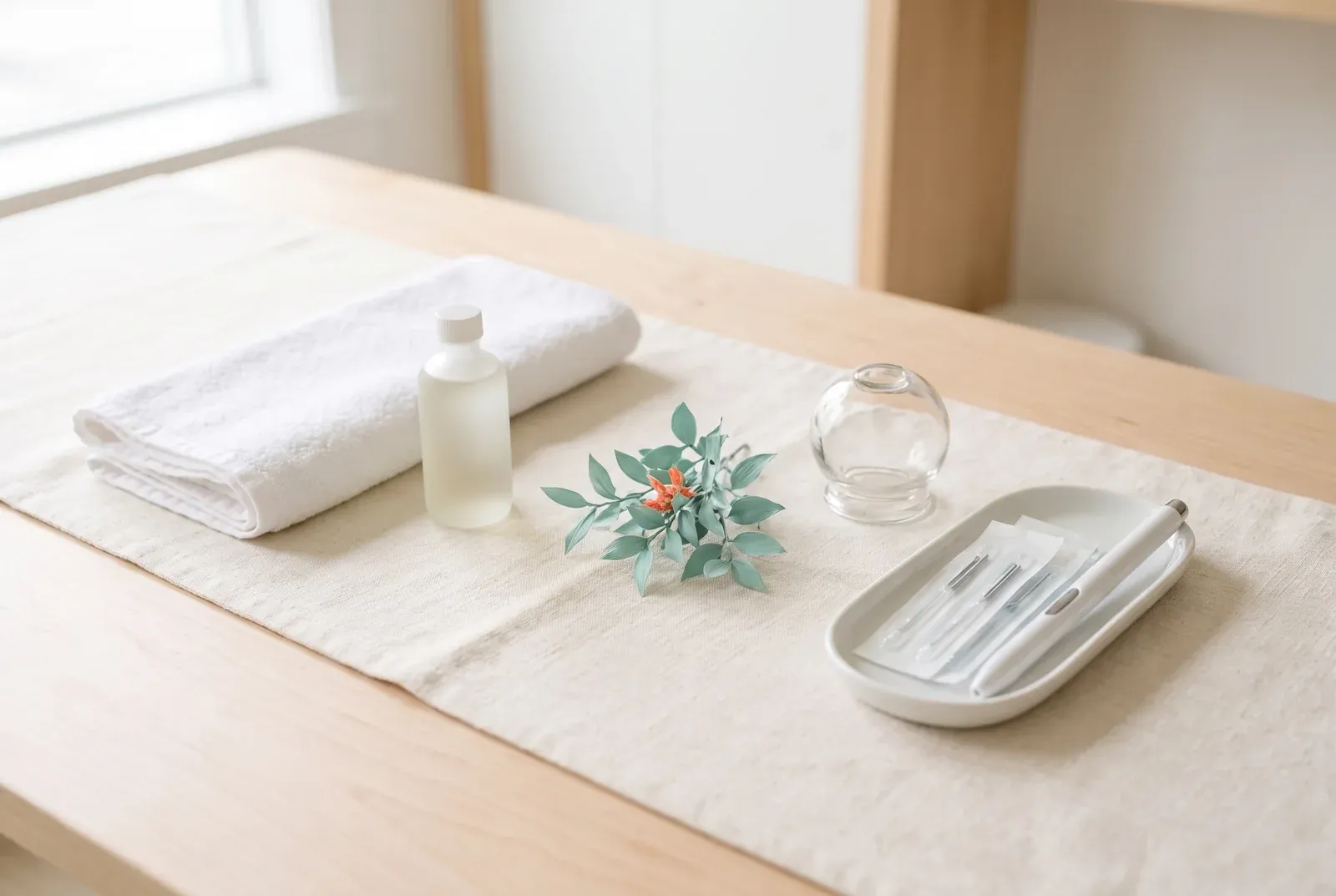
TCM describes fluid that isn't moving well as "dampness," often linked to the Spleen system's role in transforming fluids. The TCM treatment chooses points associated with fluid movement, uses needles and low-level laser on them, and adds cupping to move stagnation in the tissues. It's a point-based approach for people who prefer TCM methods.
Research on this specific combination for swelling is limited. We offer it as TCM care, not as a medical treatment for lymphoedema.
Which suits you?
Choose the massage if you:
- are recovering from surgery (with your surgeon's clearance);
- prefer gentle, hands-on treatment;
- want deep relaxation;
- don't want needles or marks.
Consider the TCM treatment if you:
- are drawn to acupuncture-based care;
- want your whole TCM pattern considered, including digestion, energy and cycle;
- don't mind cupping marks.
Not sure? Start with the massage. It's bookable now, and you can join the waitlist for the TCM treatment.
Who shouldn't have either?
Neither is suitable with an active infection, fever or cellulitis, or with blood clots, heart failure or significant kidney disease. For needles and cupping, discuss blood thinners and pregnancy first. Lymphoedema needs medical care.
Where to book
Both are offered at our Yaletown clinic, a short Canada Line ride from Fairview and Mount Pleasant.
Frequently asked questions
Can I have both?
Yes. Some people alternate them once both are available.
Which suits recovery after surgery?
The hands-on massage, with your surgeon's clearance.
Will the TCM treatment leave marks?
Cupping usually leaves marks for a few days.
Do series work for both?
Yes. Series of 3, 6 and 10 are available for each.
Are they covered by insurance?
No.
Sources
- Marchica P, et al. Integrated treatment of breast cancer-related lymphedema: a descriptive review of the state of the art. Anticancer Res. 2021. (pubmed.ncbi.nlm.nih.gov)
- Breslin JW. Lymphatic clearance and pump function. Cold Spring Harb Perspect Med. 2023. (pmc.ncbi.nlm.nih.gov)
- Fontes de Moraes BZ, et al. Do compression garments prevent subcutaneous edema after abdominoplasty? Aesthet Surg J. 2023. (pubmed.ncbi.nlm.nih.gov)
- National Center for Complementary and Integrative Health (NIH) — Cupping (nccih.nih.gov)
Information on this site is general and isn't a substitute for advice from your physician.
Related to this article
Body Wellness
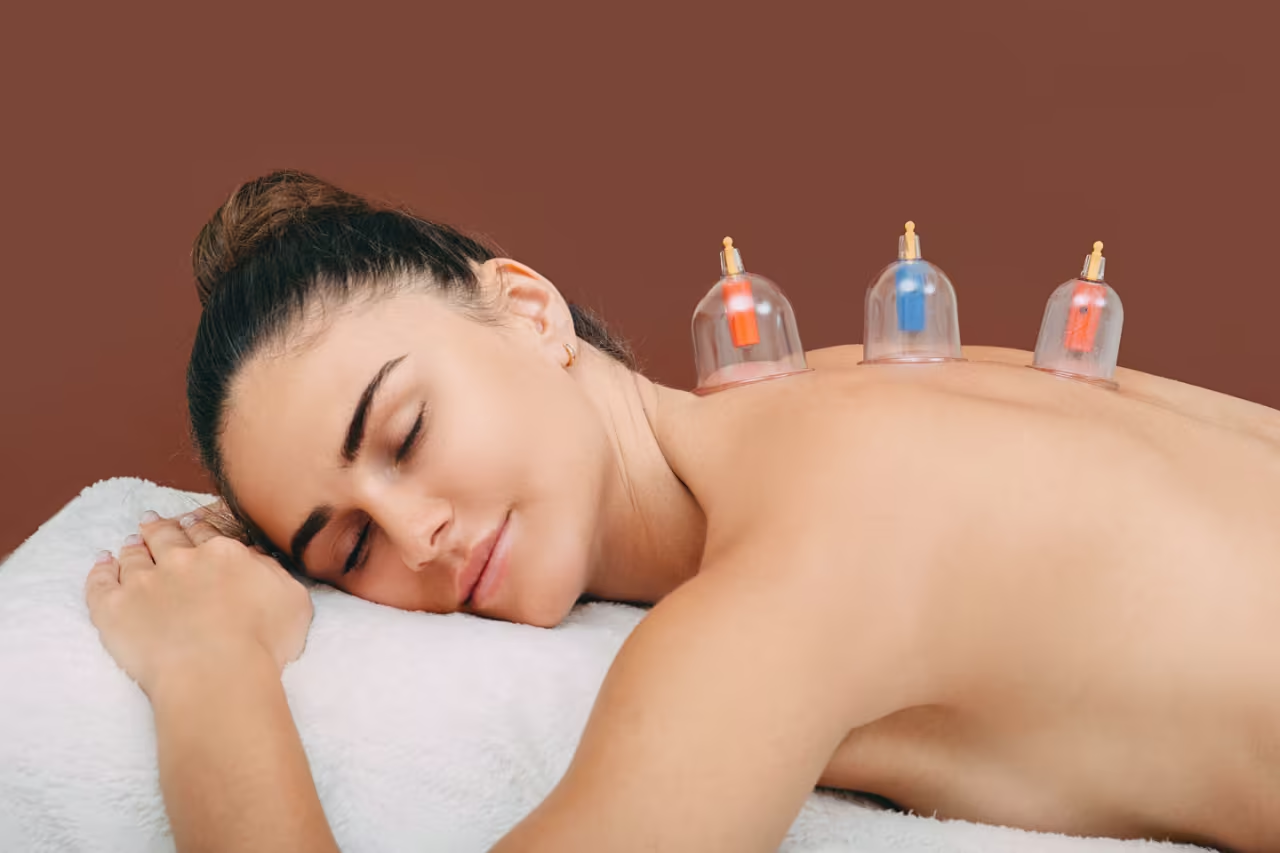
TCM Lymphatic Drainage Treatment
The TCM Lymphatic Drainage Treatment is a 60-minute session combining laser acupuncture, needle acupuncture and cupping, used in Traditional Chinese Medicine for swelling and heaviness. At Flourish TCM Clinic in Yaletown it costs $170, with series of 3, 6 or 10. Appointments aren't open yet; join the waitlist.
Body Wellness
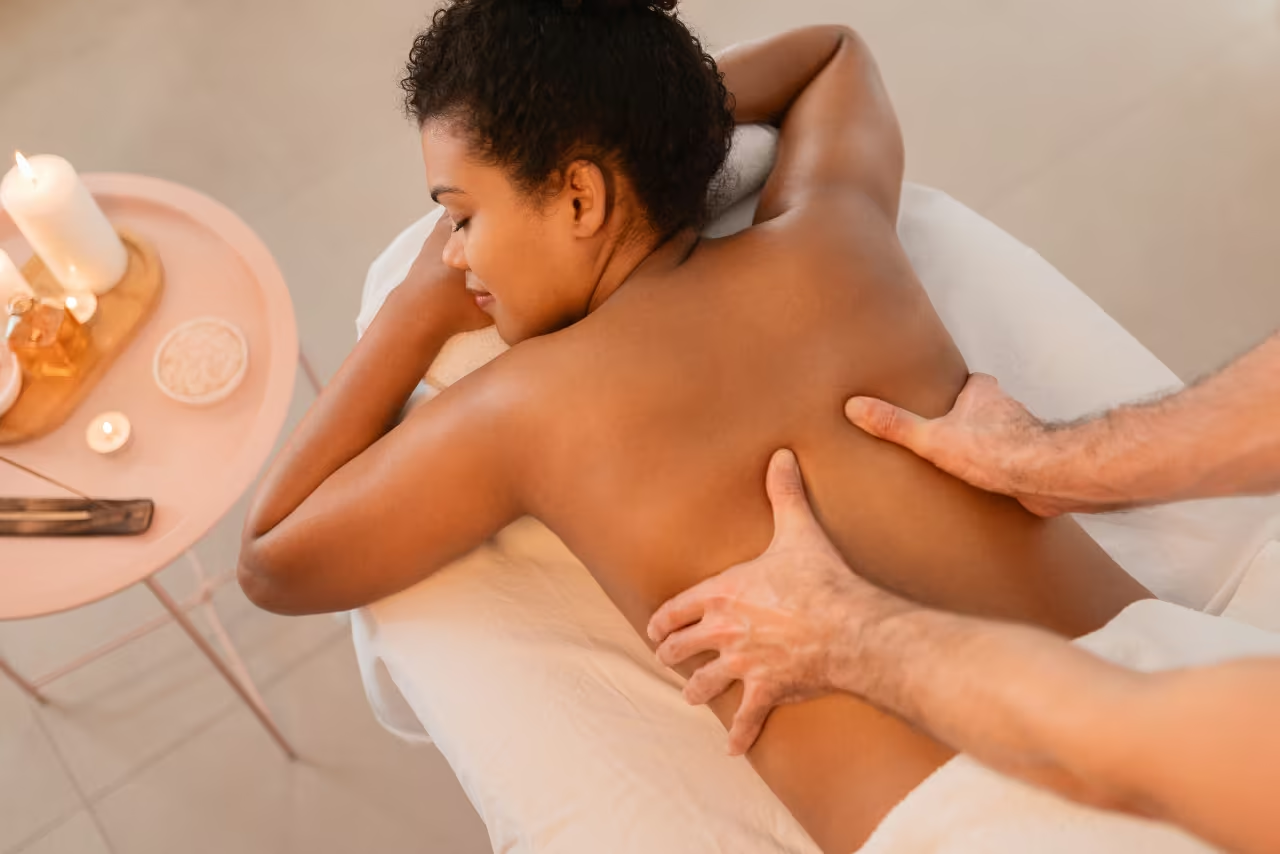
Lymphatic Drainage Massage
Lymphatic Drainage Massage is a gentle, rhythmic massage that uses directional strokes to support the flow of lymph fluid. People book it for swelling, puffiness and recovery after surgery, with their surgeon's clearance. At Flourish TCM Clinic in Yaletown, Vancouver, it's $170 for 60 minutes.
Body Wellness
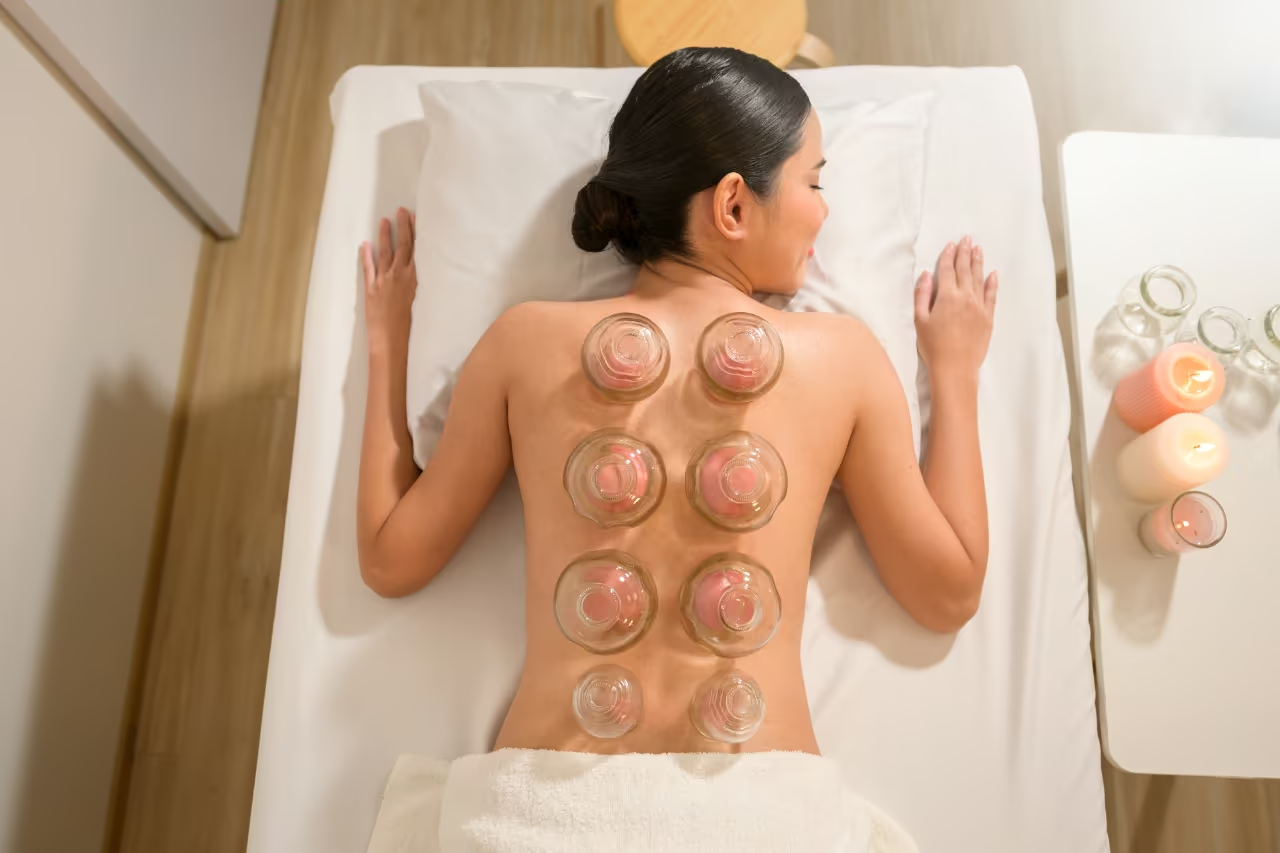
Cupping Therapy
Cupping Therapy is a 30-minute Traditional Chinese Medicine treatment in which vacuum cups are applied over massage oil, to ease muscle tension and help you relax. At Flourish TCM Clinic in Yaletown, Vancouver, it costs $170. Appointments open once a registered acupuncturist joins our team.