Signs of Fluid Retention and Gentle Ways to Support Circulation
What fluid retention looks like, common everyday causes, habits that help, when massage can support you, and when to see a doctor.

 Written byFlourish TCM ClinicTraditional Chinese Medicine & skin care · Yaletown, Vancouver
 Reviewed byTabasom (Tabi) Mirshahi, R.Ac., R.TCM.P.
Signs of Fluid Retention and Gentle Ways to Support Circulation
Fluid retention (oedema) is a build-up of fluid in the body's tissues. It shows as puffy ankles, swollen fingers, a puffy face, rings or socks that leave marks, or a heavy feeling in the legs. Mild, temporary swelling after heat, travel, salty food or around your period is common. Swelling that's sudden, one-sided or painful needs a doctor.
What does fluid retention look like?
- Puffy ankles, feet or lower legs, especially at the end of the day.
- Swollen fingers; rings feel tight.
- Sock lines that leave deep marks.
- A puffy face or eyes, especially in the morning.
- A heavy, tight feeling in the legs.
- Pitting: pressing a thumb into a swollen area leaves a dent for a few seconds.
Common everyday causes
- Sitting or standing still for long periods, such as desk days, retail shifts or flights.
- Hot weather.
- A salty meal or takeout.
- Alcohol.
- Hormonal shifts around the menstrual cycle or in pregnancy.
- Some medications (ask your pharmacist).
Everyday habits that help
- Move regularly. Lymph and circulation rely on muscle movement. Walk, climb stairs, and flex your ankles at your desk.
- Raise your legs for 15–20 minutes at the end of the day.
- Drink water. Being well hydrated helps your body regulate fluid.
- Watch salt, especially in processed and restaurant food.
- Try compression socks for flights or long standing shifts (ask a pharmacist).
- Get up and move on long flights and drives.
When massage can support you
For everyday puffiness and heaviness, Lymphatic Drainage Massage uses light, directional strokes to support lymph flow, and many people feel lighter afterwards. If puffiness shows mostly in your face, the Bio-Current Facial focuses there. Massage supports comfort. It doesn't treat medical causes of swelling.
The TCM view
Traditional Chinese Medicine describes fluid retention as "dampness," often linked to the Spleen system not transforming fluids well. TCM advice favours warm, cooked foods over cold and raw, regular meals, gentle movement and less rich or greasy food.
When to see a doctor (important)
See a doctor promptly if swelling is:
- sudden, or in one leg only, especially with pain, warmth or redness (possible blood clot);
- accompanied by shortness of breath, chest pain or trouble lying flat;
- in pregnancy with headache, vision changes or sudden face or hand swelling;
- with reduced urine, or not going down overnight;
- persistent or getting worse.
Call 911 for sudden shortness of breath or chest pain.
Where to book
Lymphatic drainage is available at our Yaletown clinic, easy to reach from South Granville and Point Grey.
Frequently asked questions
Is fluid retention the same as weight gain?
No. It's fluid in the tissues, and it can shift quickly.
Does drinking more water reduce swelling?
Staying hydrated helps your body regulate fluid; it doesn't make swelling worse.
Why are my ankles swollen after flying?
Sitting still reduces circulation; move during the flight and walk afterwards.
Can lymphatic massage help period bloating?
Many people feel lighter; persistent bloating should be checked.
When is swelling an emergency?
With shortness of breath, chest pain, or sudden one-sided leg swelling.
Sources
- NHS — Swollen ankles, feet and legs (oedema) (nhs.uk)
- MedlinePlus (US National Library of Medicine) — Foot, leg, and ankle swelling (medlineplus.gov)
- MedlinePlus (US National Library of Medicine) — Preeclampsia (medlineplus.gov)
- MedlinePlus (US National Library of Medicine) — Deep Vein Thrombosis (medlineplus.gov)
Information on this site is general and isn't a substitute for advice from your physician.
Related to this article
Body Wellness
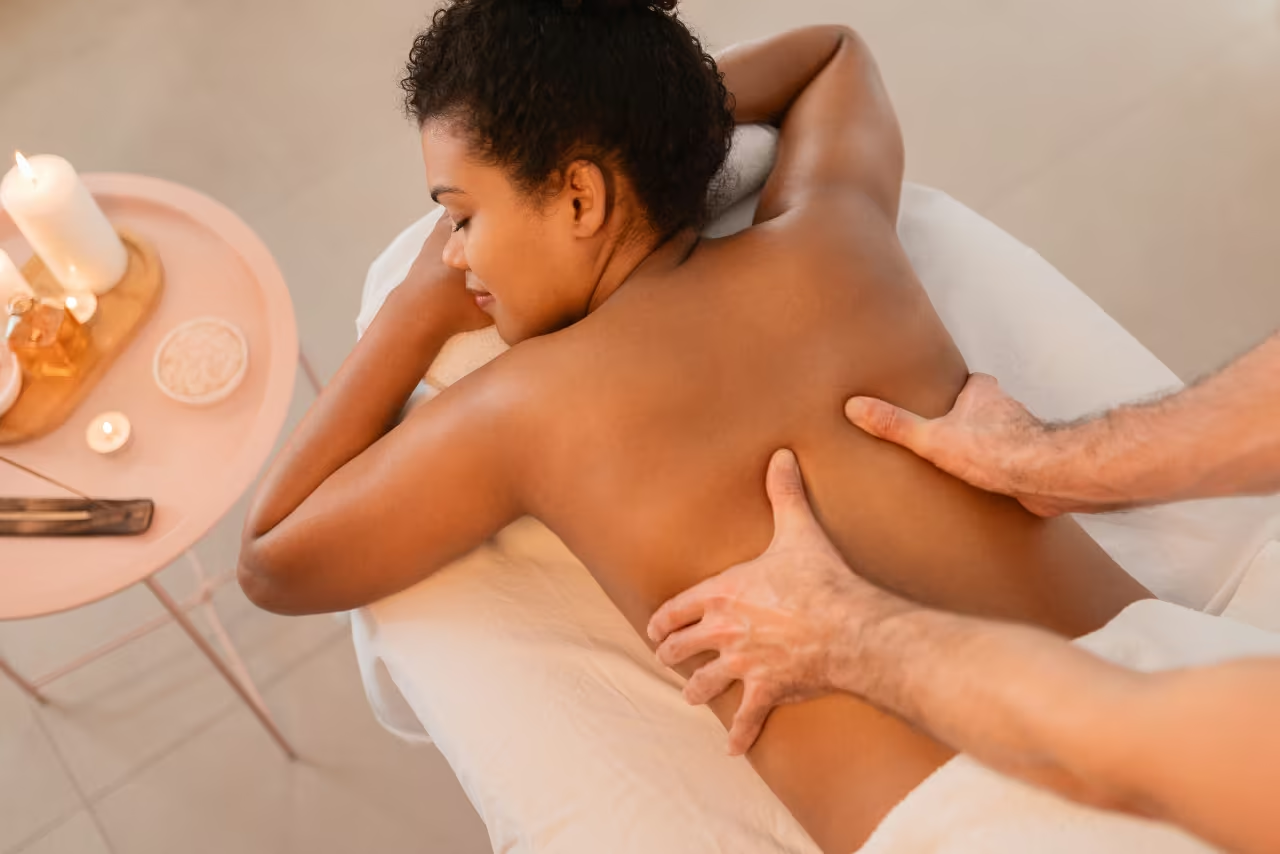
Lymphatic Drainage Massage
Lymphatic Drainage Massage is a gentle, rhythmic massage that uses directional strokes to support the flow of lymph fluid. People book it for swelling, puffiness and recovery after surgery, with their surgeon's clearance. At Flourish TCM Clinic in Yaletown, Vancouver, it's $170 for 60 minutes.
Skin Care & Facials
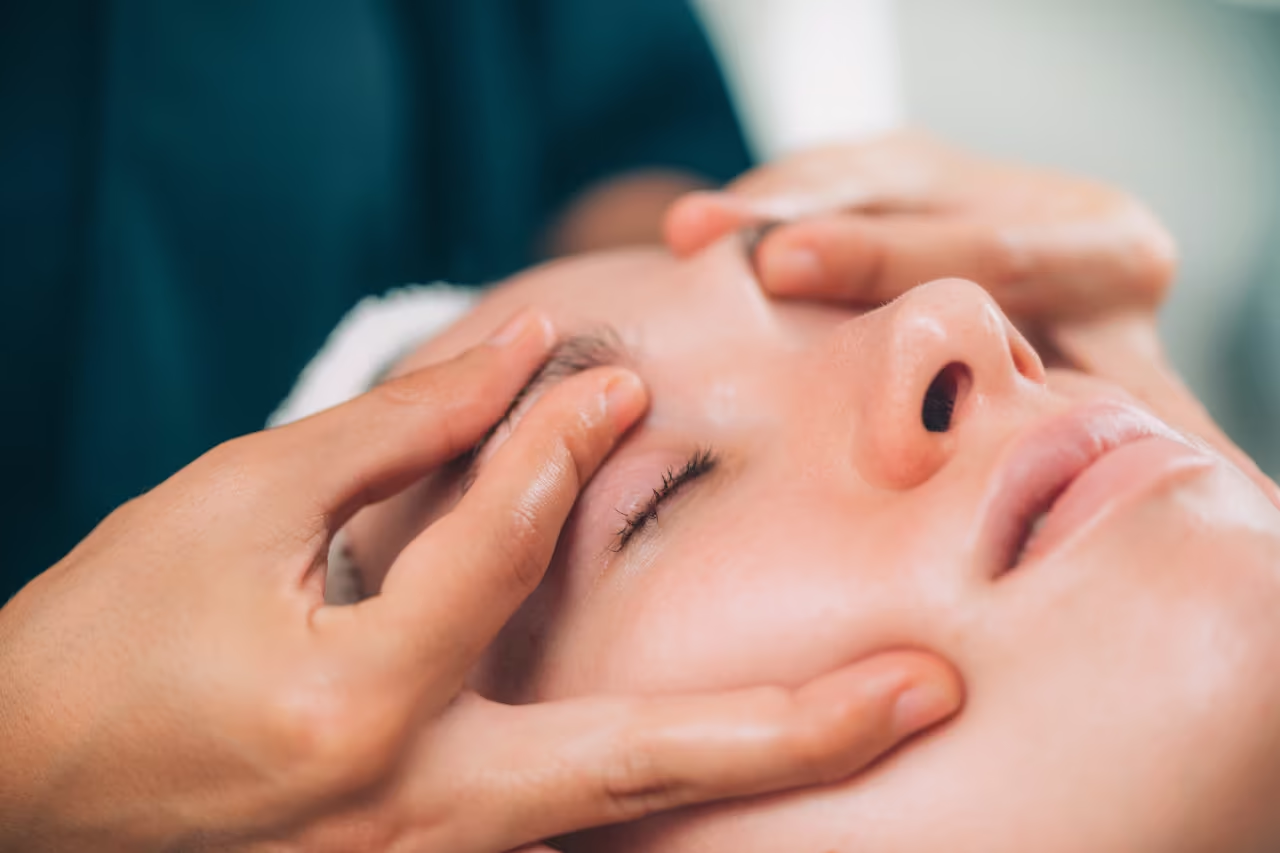
Bio-Current (DDS) Facial
The Bio-Current Facial is a 60-minute facial that uses the DDS bio-current system, a gentle micro-current delivered through the therapist's massage, combined with TCM facial techniques. At Flourish TCM Clinic in Yaletown, Vancouver, it costs $170 and is performed by Mehri Abedi, TuiNa and DDS bio-current therapist.
Body Wellness
TCM Lymphatic Drainage Treatment
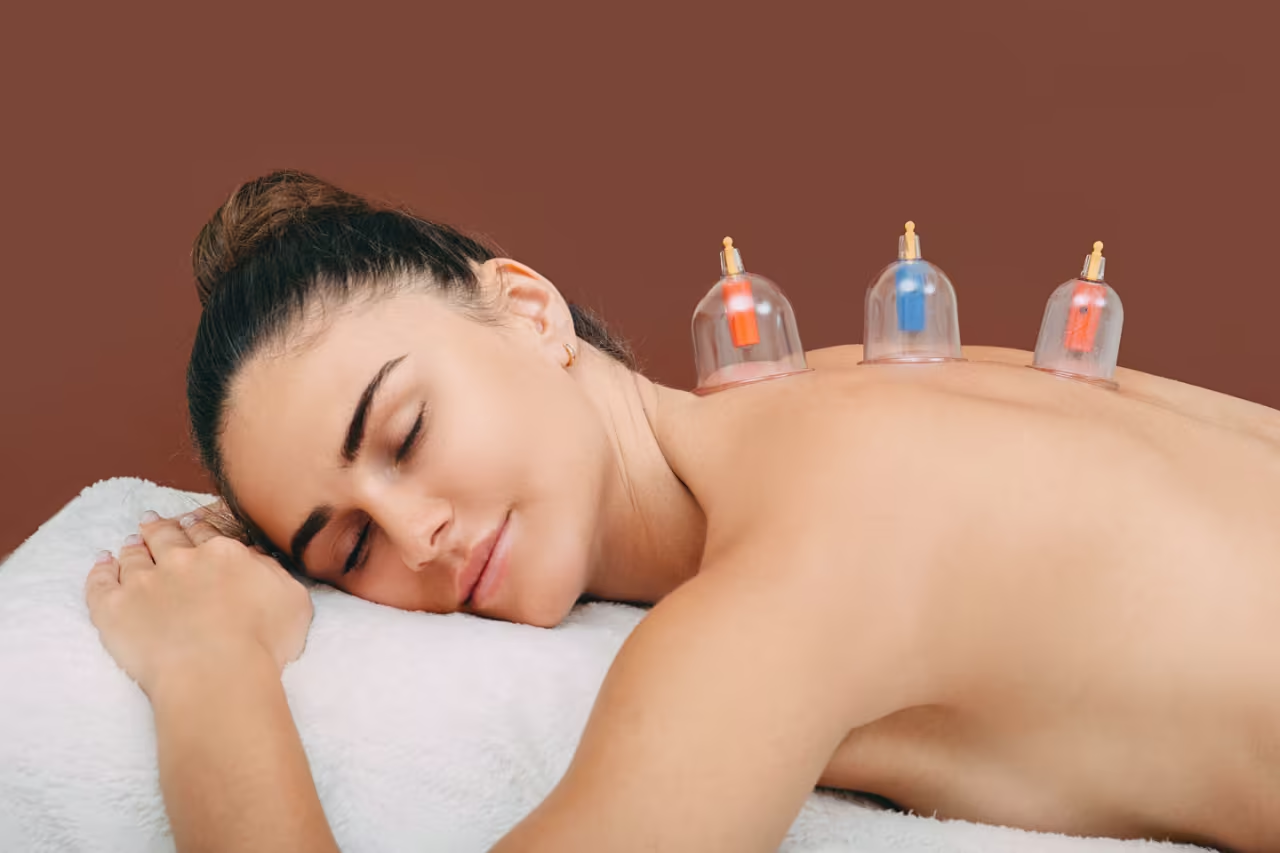
The TCM Lymphatic Drainage Treatment is a 60-minute session combining laser acupuncture, needle acupuncture and cupping, used in Traditional Chinese Medicine for swelling and heaviness. At Flourish TCM Clinic in Yaletown it costs $170, with series of 3, 6 or 10. Appointments aren't open yet; join the waitlist.