Dermaplaning Myths: Will Hair Grow Back Thicker?
No, dermaplaning doesn't make facial hair grow back thicker or darker. Myths vs facts, sensitive skin, acne, and how often to book.

 Written byFlourish TCM ClinicTraditional Chinese Medicine & skin care · Yaletown, Vancouver
 Reviewed byTabasom (Tabi) Mirshahi, R.Ac., R.TCM.P.
Dermaplaning Myths: Will Hair Grow Back Thicker?
No, dermaplaning doesn't make facial hair grow back thicker, darker or faster. It removes fine vellus hair ("peach fuzz") and dead skin cells at the surface, and it doesn't change the hair follicle. The hair grows back the same as before. The result is smoother, brighter skin and a flawless base for makeup.
Myth 1: "Hair will grow back thicker or darker"
Fact: Dermaplaning cuts vellus hair at the surface. It doesn't touch the follicle, so it can't change the hair's thickness, colour or growth rate. The "thicker" feeling some people notice comes from the blunt tip of regrowing hair, which can feel slightly coarser at first even though the hair itself is unchanged.
Myth 2: "Dermaplaning is the same as shaving"
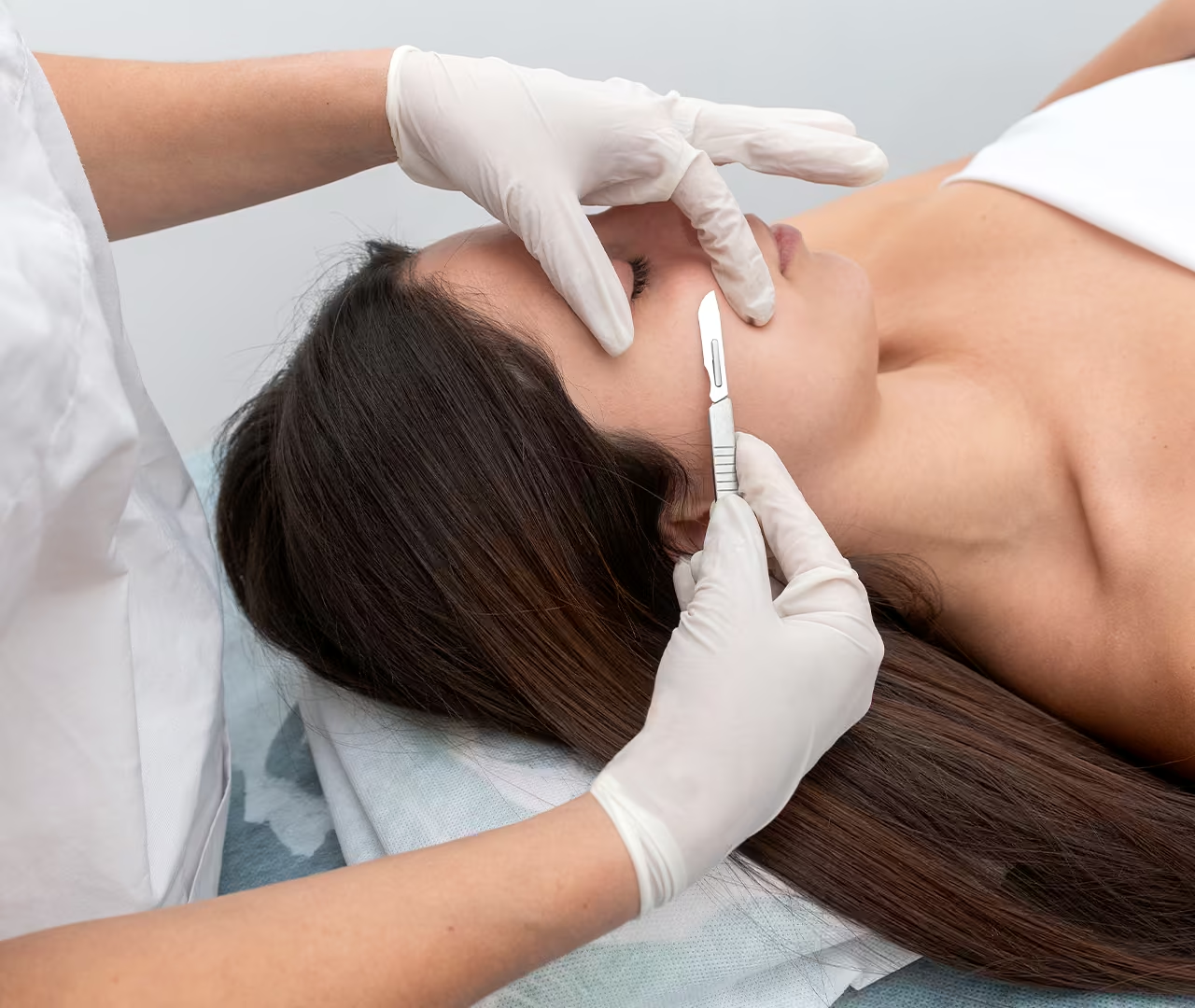
Fact: Both use a blade, but dermaplaning is done by a trained practitioner with a sterile surgical blade held at a shallow angle. It removes a layer of dead skin cells as well as hair, which is why skin looks brighter afterwards. At Flourish it's paired with a hydrating mask in our Dermaplaning + Hydrate & Glow Facial.
Myth 3: "It's only for people with a lot of facial hair"
Fact: People book dermaplaning mainly for smoothness and glow. Removing peach fuzz is a bonus, especially for makeup. It suits dull or dry skin, uneven-looking tone and skin that makes makeup look cakey.
Myth 4: "It causes breakouts"
Fact: Done properly on clean, calm skin, dermaplaning doesn't cause breakouts. It shouldn't be done over active, inflamed acne. If you're breaking out, a treatment like OxyGeneo may suit you better until skin settles.
Is dermaplaning safe for sensitive skin?
Often, yes. Your practitioner adjusts technique and follows with calming, hydrating products. Tell us about rosacea, eczema, or recent use of retinoids or peels. Dermaplaning isn't done within six months of isotretinoin (Accutane), or on sunburned skin.
What happens in a Dermaplaning + Hydrate & Glow Facial?
- Cleanse and dry the skin.
- Dermaplaning in short, light strokes, which most people find comfortable.
- Hydrating serum and mask.
- Moisturiser and SPF.
It takes 60 minutes, and there's no downtime.
How often should you book?
Results are immediate. Dead skin and fine hair return naturally, so people who enjoy it rebook every four to six weeks. Use SPF daily afterwards; freshly exfoliated skin is more sun-sensitive.
A TCM note
In Traditional Chinese Medicine, radiant skin reflects well-nourished blood and fluids. That's why the hydration step matters as much as the exfoliation, and why sleep and water intake show up in your skin.
Where to book
Dermaplaning is available with Mehri at our Yaletown clinic. It's a popular pre-event booking for clients from Gastown and South Granville.
Frequently asked questions
Does dermaplaning hurt?
Most people find it comfortable; it feels like light scraping.
Can I wear makeup afterwards?
Yes, and it usually goes on more smoothly.
Is it good before an event?
Yes. Book a few days before; there's no downtime.
Can men have dermaplaning?
It's designed for vellus hair, not beard hair, so it's usually not suitable over beard areas.
Is it covered by insurance?
No.
Sources
- Lynfield YL, Macwilliams P. Shaving and hair growth. J Invest Dermatol. 1970. (pubmed.ncbi.nlm.nih.gov)
- Pryor L, et al. Dermaplaning, topical oxygen, and photodynamic therapy: a systematic review of the literature. Aesthetic Plast Surg. 2011. (pubmed.ncbi.nlm.nih.gov)
- American Academy of Dermatology — How to safely exfoliate at home (aad.org)
Information on this site is general and isn't a substitute for advice from your physician.
Related to this article
Skin Care & Facials
Dermaplaning + Hydrate & Glow Facial
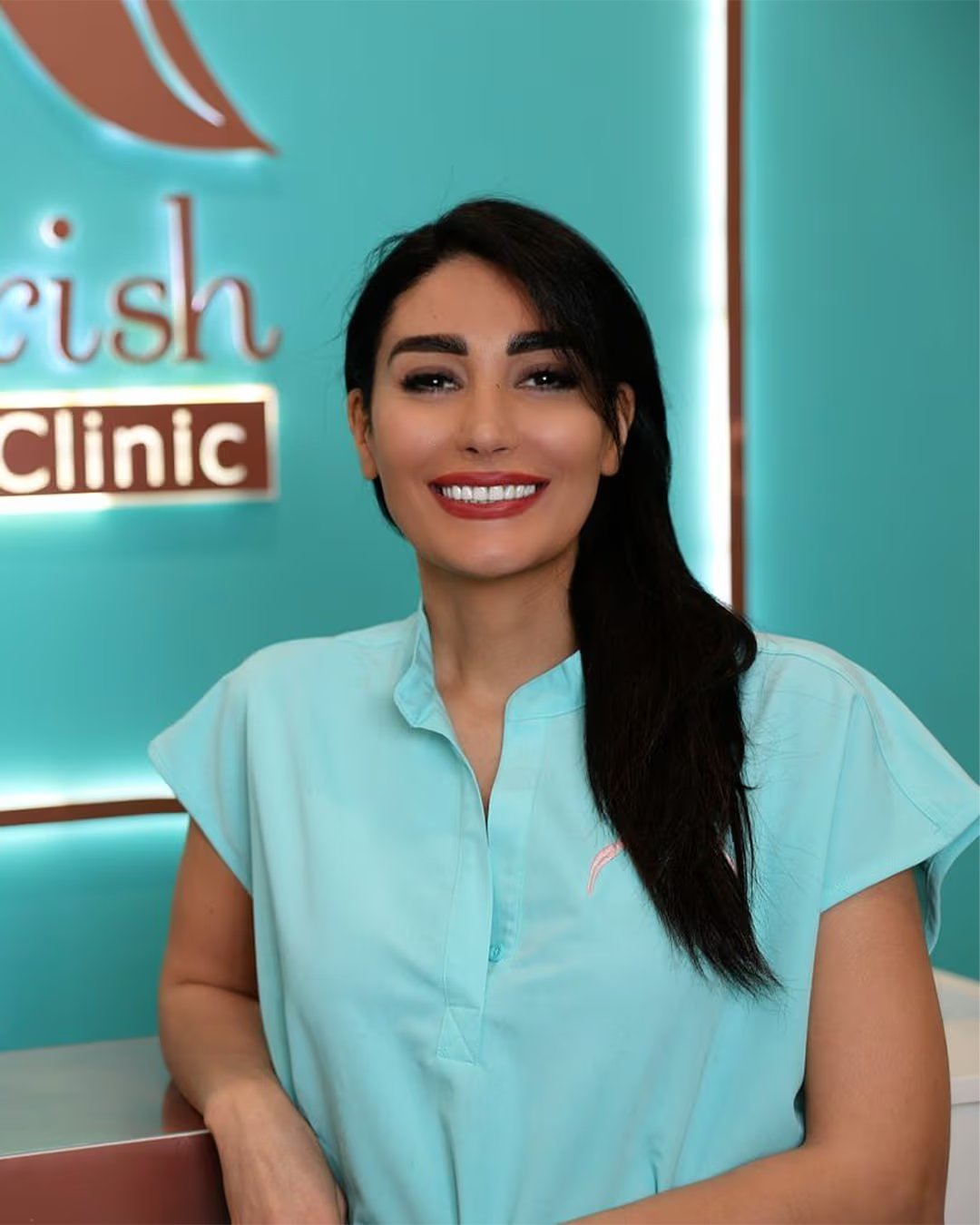
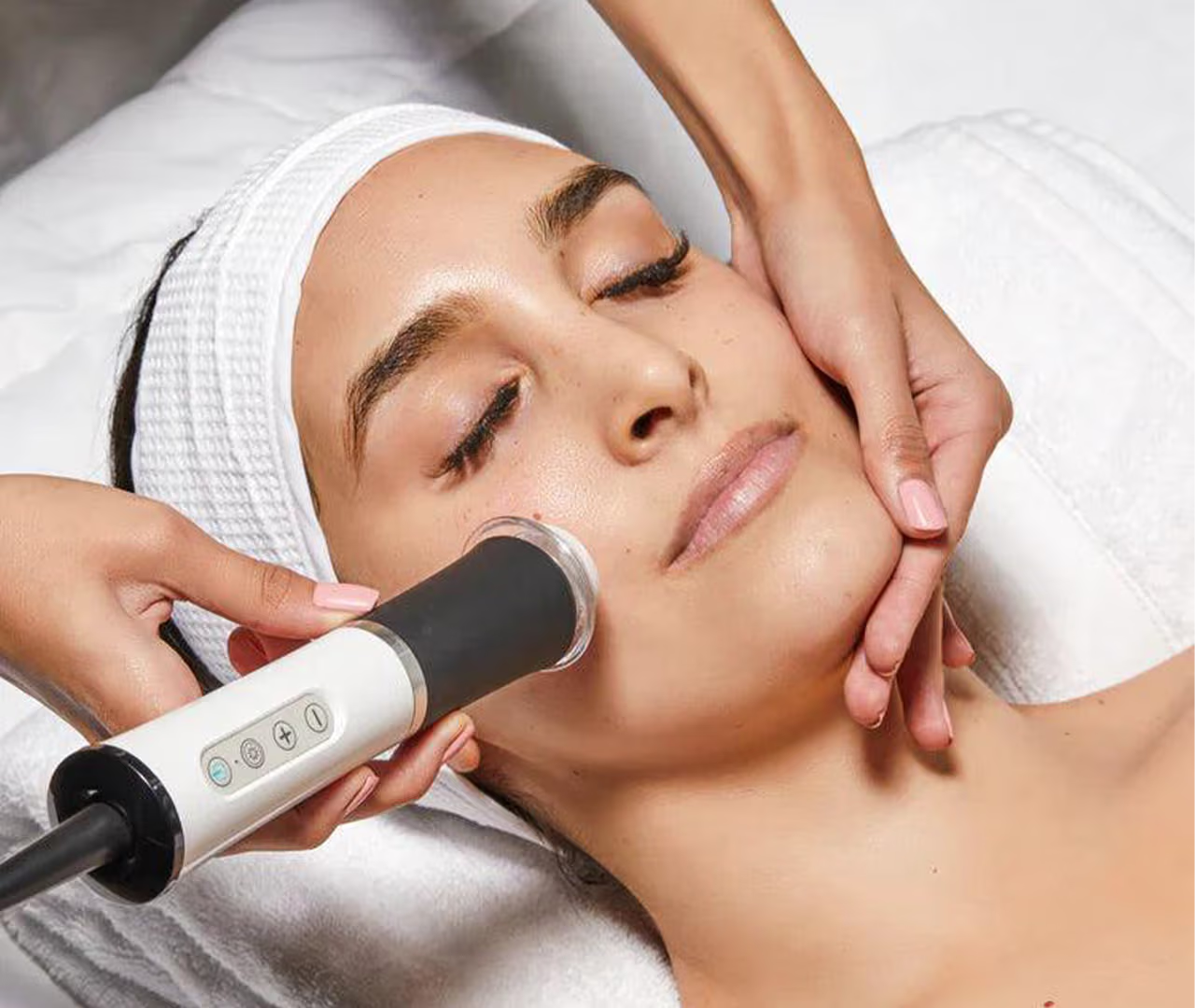
The Dermaplaning + Hydrate & Glow Facial is a 60-minute treatment that gently removes dead skin cells and fine facial hair with a sterile blade, then deeply hydrates the skin. At Flourish TCM Clinic in Yaletown, Vancouver, it costs $170 and is performed by Mehri Abedi, TuiNa and DDS bio-current therapist.
Skin Care & Facials
OxyGeneo Facial
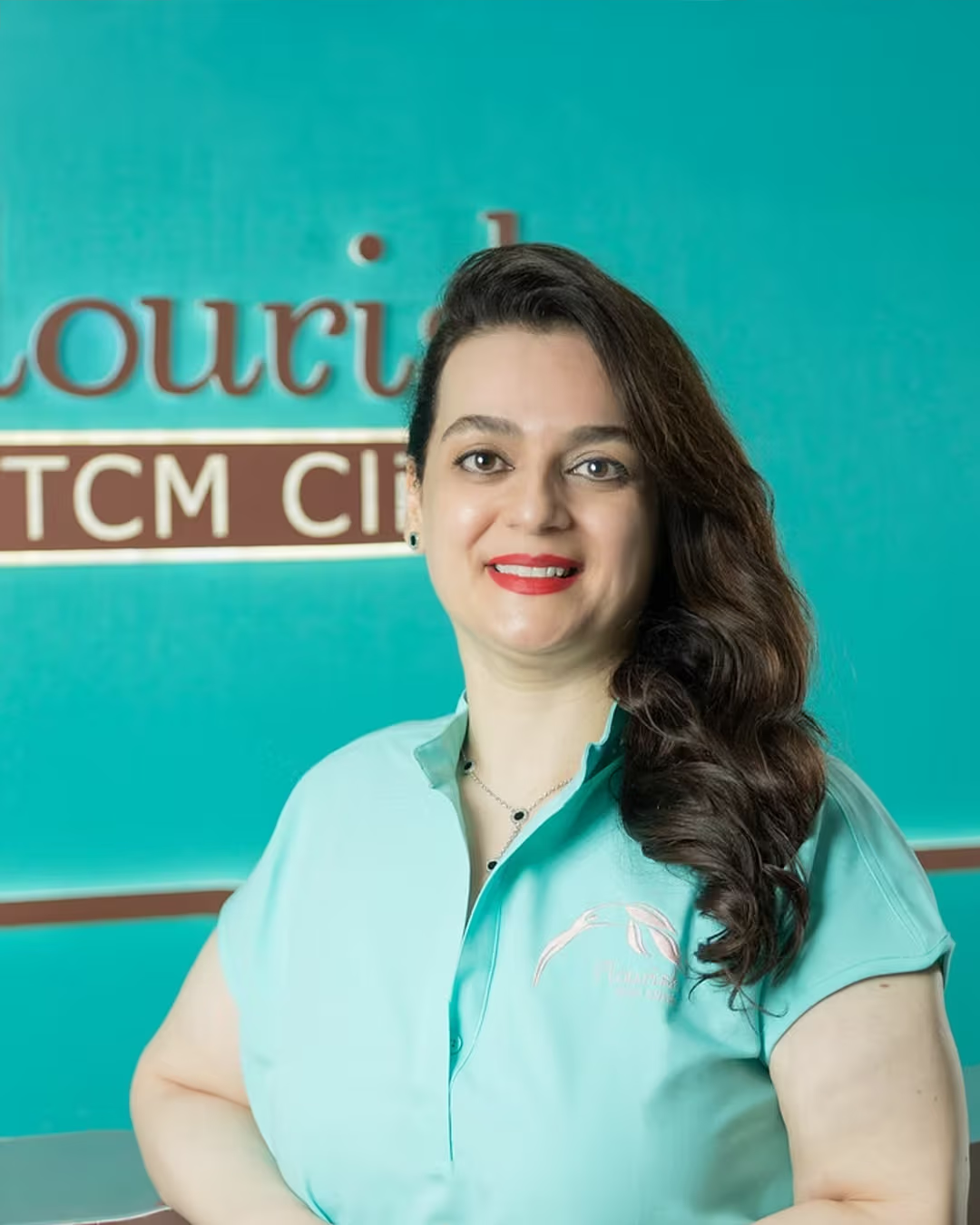
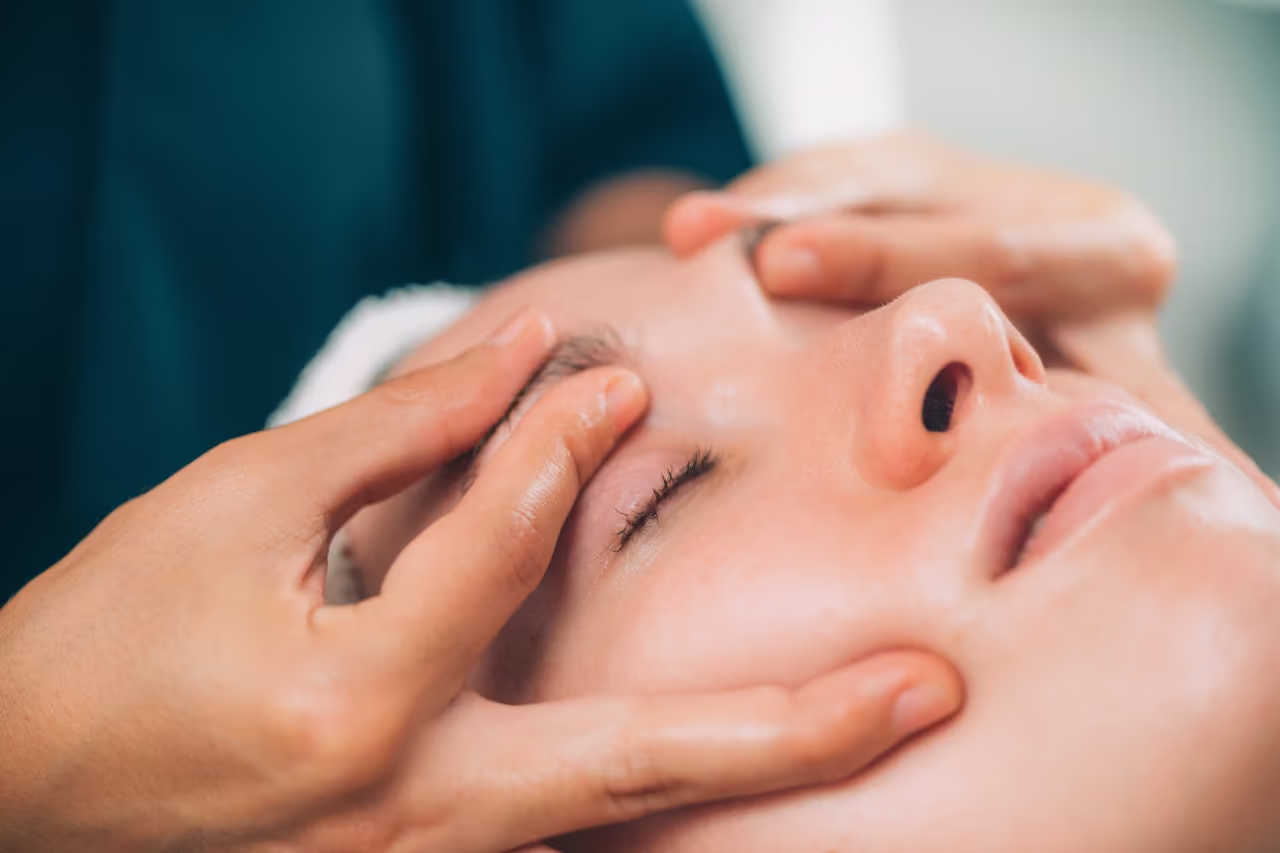
The OxyGeneo Facial is a 90-minute treatment that exfoliates, infuses and oxygenates the skin in a single pass using the OxyGeneo system. At Flourish TCM Clinic in Yaletown, Vancouver, it starts at $230 and is performed by Mina Gharnian, skin care practitioner.
Skin Care & Facials
Bio-Current (DDS) Facial
The Bio-Current Facial is a 60-minute facial that uses the DDS bio-current system, a gentle micro-current delivered through the therapist's massage, combined with TCM facial techniques. At Flourish TCM Clinic in Yaletown, Vancouver, it costs $170 and is performed by Mehri Abedi, TuiNa and DDS bio-current therapist.