How to check a practitioner's licence in British Columbia
Acupuncture and Chinese medicine are regulated in British Columbia. Here is how to look up a practitioner's licence, and what each title means.

 Written byFlourish TCM ClinicTraditional Chinese Medicine & skin care · Yaletown, Vancouver
How to check a practitioner's licence in British Columbia
Acupuncture and Chinese medicine are regulated professions in British Columbia. The College of Complementary Health Professionals of BC keeps a public registry you can search by name, licence number, practice city or postal code, and it shows each person's credentials and scope of practice.
If you are about to see an acupuncturist in British Columbia, you can check their licence before you walk in. Acupuncture and Chinese medicine are regulated professions here, and the regulator keeps a public registry anyone can search. It is free, and it answers two questions at once: is this person currently licensed, and what is this person licensed to do.
Who regulates acupuncture and Chinese medicine in British Columbia?
The College of Complementary Health Professionals of BC, which regulates chiropractors, massage therapists, naturopathic physicians, and traditional Chinese medicine practitioners and acupuncturists. It formed in June 2024, when those professions came under one regulatory framework, and it regulates more than 14,000 health professionals. It describes its own work in three parts: enforcing professional standards and practices, managing registration and professional development, and managing and responding to public complaints. That last part is worth remembering, because a concern about a licensee goes to the College and not only to the clinic.
What do the letters after a practitioner's name mean?
They are restricted titles, and in Chinese medicine there are four of them. The College authorises Registered Acupuncturist, written R.Ac.; Registered Traditional Chinese Medicine Herbalist, written R.TCM.H.; Registered Traditional Chinese Medicine Practitioner, written R.TCM.P.; and Doctor of Traditional Chinese Medicine, written Dr.TCM. The names carry the distinction: one covers acupuncture, one covers Chinese herbal medicine, and the others cover both. Restricted means the title goes with a licence, so the letters on a card are worth reading rather than skipping. Our founder, Tabasom (Tabi) Mirshahi, R.Ac., R.TCM.P., is listed with her titles on her team page, and she reviews every article here.
How do you search the registry?
Open the College's registry and search with what you already have. It finds licensees by first name, last name, licence number, practice city or postal code, so a name and a city is usually enough. What comes back is the part people skip past. The College says the search provides information on credentials and scope of practice: credentials tell you which title the person holds, and scope tells you what that title covers. If the person you are looking for does not come back at all, that is also an answer.
Use the registry to verify whether an individual is currently licensed with the College. The search provides information on credentials and scope of practice.
College of Complementary Health Professionals of BC, For the Public
Why might a licence number not match an older receipt?
Because the numbers changed this autumn. The College moved to a new licensing portal and is assigning new licence numbers in phases, profession by profession. Traditional Chinese medicine practitioners and acupuncturists were assigned theirs on September 2, and massage therapists on October 5, 2026. Every licensee has until March 31, 2027 to transition to the new number. So a number written on a receipt, a card or an older letter may not be the number in the registry today. Search by name instead, and the number you find is the current one.
Which treatments are not regulated Chinese medicine?
Several treatments a clinic offers are comfort and relaxation services rather than regulated Chinese medicine, and the registry is the wrong place to look those up. Here, the Relaxation Massage page names the person who performs it as a DDS Bio-Current Technician and Body Worker, which is the honest description: it is not registered massage therapy and it is not acupuncture. The treatments to check in the registry are the ones a registrant performs, and at this clinic those are Acupuncture, Fertility Acupuncture, Cupping Therapy and the TCM Lymphatic Drainage Treatment.
What to check before your first appointment
- Search the College registry by the practitioner's name and practice city.
- Read the title, then read the scope of practice beside it.
- Search by name, never by a licence number from an older document.
- Ask the clinic which of its treatments a registrant performs.
- See your family physician first about any new or changing symptom.
Booking acupuncture in Vancouver
Our clinic is on Mainland Street in Yaletown, a short walk from Downtown Vancouver, the West End and False Creek, and the Yaletown page carries the route notes. Acupuncture here is performed only by a registrant, and it is not open for new bookings at the moment: the Acupuncture treatment page says the practitioners who offer it have no openings for new patients right now, and you can join the waitlist there to hear as soon as a time opens up. The registry, meanwhile, is open today, and the name you are thinking of booking is either in it or it is not.
Frequently asked questions
Is the registry free to search?
Yes. The College publishes it for the public and asks you to use the registry to verify whether an individual is currently licensed with the College. No account and no appointment is involved.
What if I only know part of the name?
The registry searches by first name, last name, licence number, practice city or postal code, so a first name plus the city often finds the person. A postal code works when you know the clinic but not the spelling of the name.
Does a licence tell me whether a treatment will help me?
No, and it is not designed to. A licence tells you the person is currently licensed and what their title covers. Whether a particular treatment is a reasonable thing to try for your situation is a separate conversation, and for a new or changing symptom it starts with your family physician.
Who do I talk to if I have a concern about a licensee?
The College. Managing and responding to public complaints is one of the three parts of the work it describes for itself, and its pages for the public explain how to make a complaint and what support is available while you do.
Is a massage therapist in the same registry?
Massage therapists are one of the professions the College regulates, and their new licence numbers were assigned on October 5, 2026. Relaxation massage and the TuiNa and DDS Acupressure Massage at this clinic are not registered massage therapy, so the person who performs them is not listed as a massage therapist.
Information on this site is general and isn't a substitute for advice from your physician.
Related to this article
Body Wellness
Acupuncture
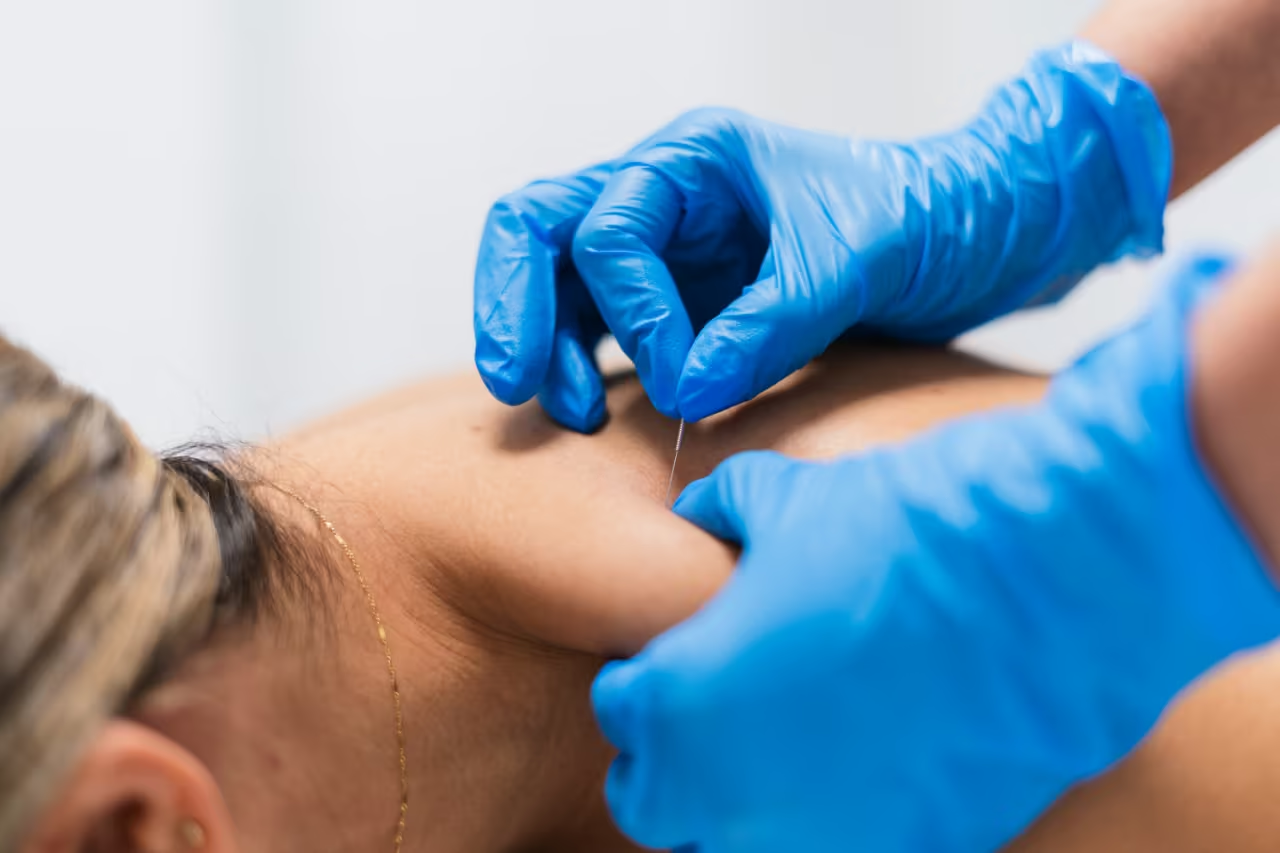
Acupuncture is a Traditional Chinese Medicine treatment in which a registered acupuncturist places fine, sterile needles at specific points on the body. At Flourish TCM Clinic in Yaletown, Vancouver, a 45-minute session costs $170. Appointments open once a registered acupuncturist joins our team; join the waitlist.
Body Wellness
Fertility Acupuncture
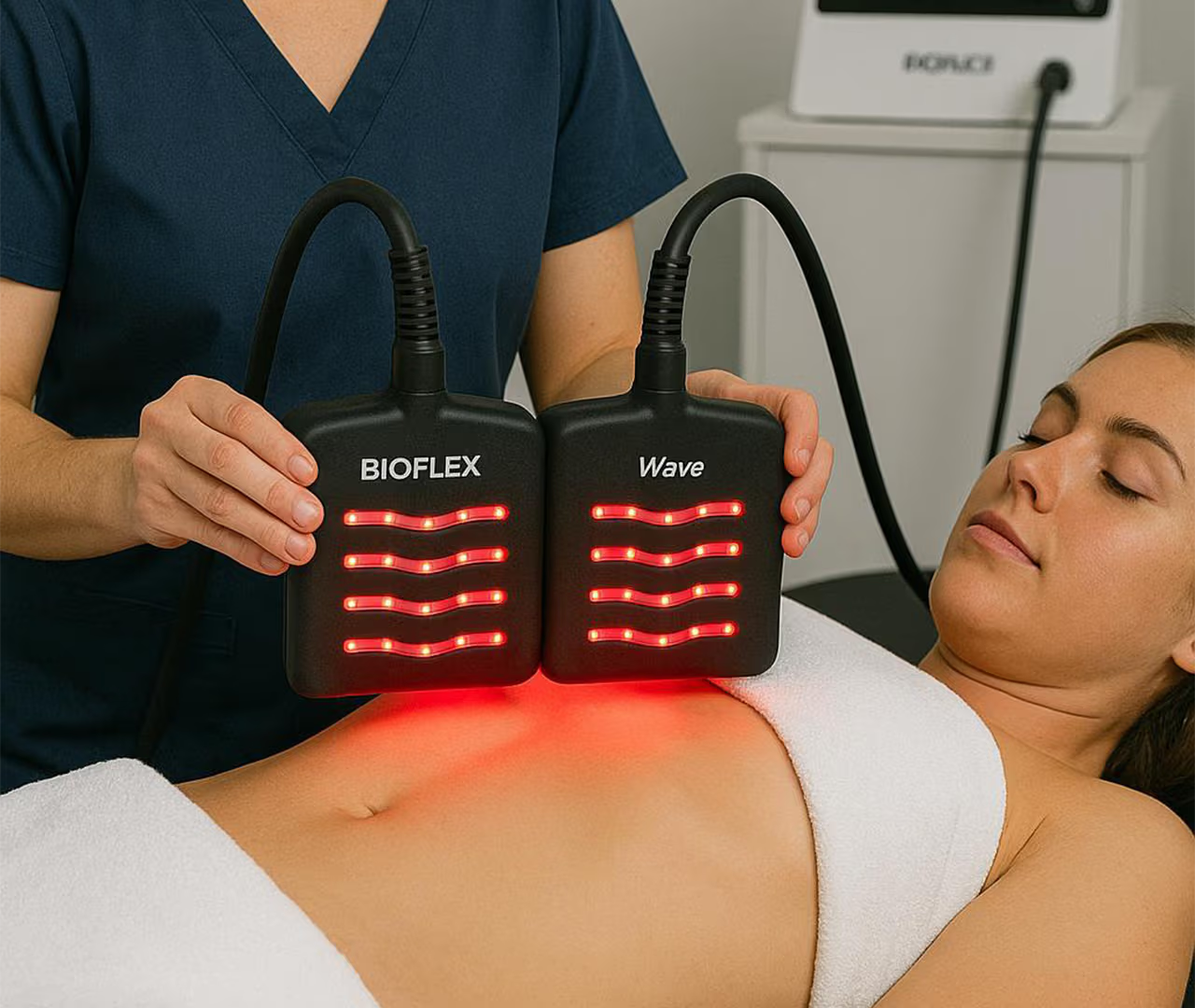
Fertility Acupuncture is a 30-minute session for men and women: a registered acupuncturist applies red and infrared cold laser to acupuncture points, with no needles, alongside your fertility care. At Flourish TCM Clinic in Yaletown, Vancouver, it's $170. Appointments open once a registered acupuncturist joins us.
Body Wellness
Cupping Therapy
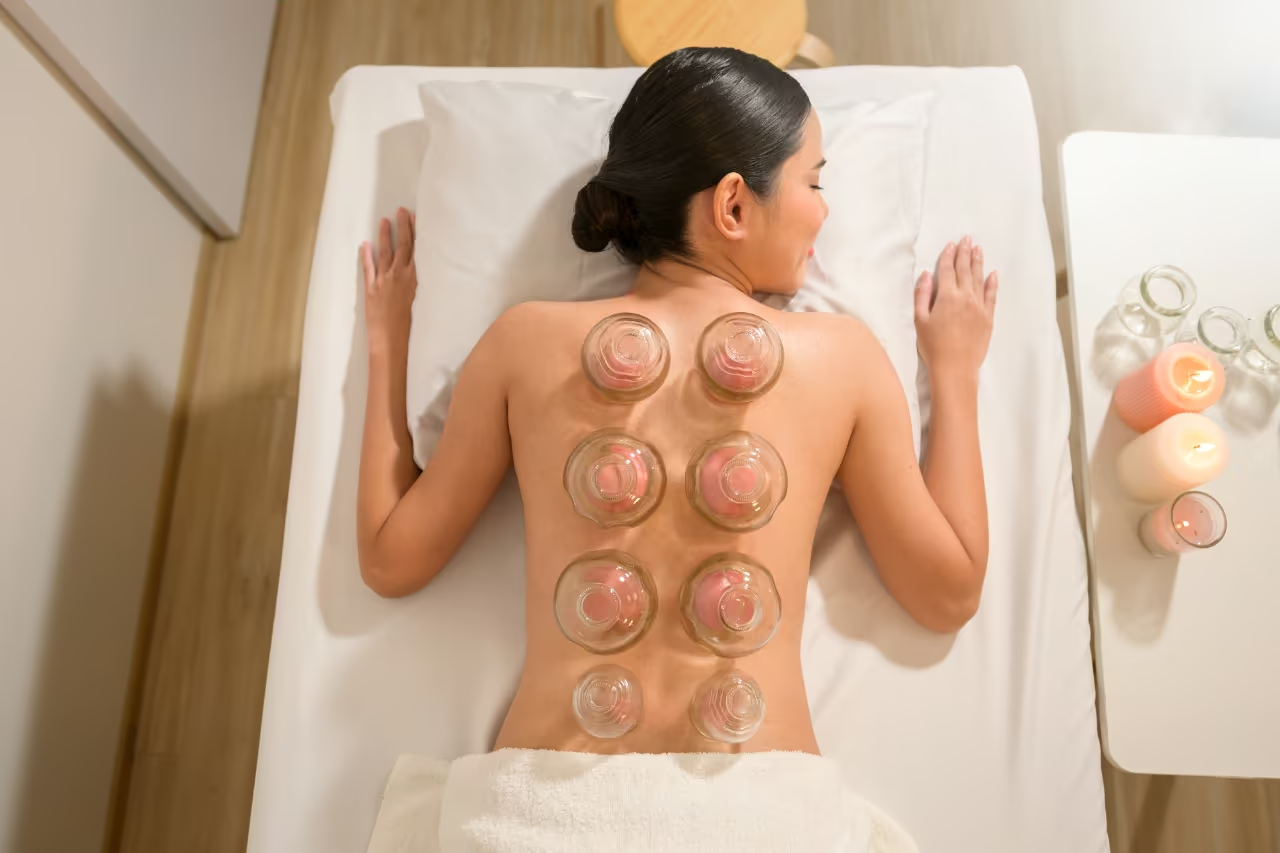
Cupping Therapy is a 30-minute Traditional Chinese Medicine treatment in which vacuum cups are applied over massage oil, to ease muscle tension and help you relax. At Flourish TCM Clinic in Yaletown, Vancouver, it costs $170. Appointments open once a registered acupuncturist joins our team.
Body Wellness
TCM Lymphatic Drainage Treatment
The TCM Lymphatic Drainage Treatment is a 60-minute session combining laser acupuncture, needle acupuncture and cupping, used in Traditional Chinese Medicine for swelling and heaviness. At Flourish TCM Clinic in Yaletown it costs $170, with series of 3, 6 or 10. Appointments aren't open yet; join the waitlist.