Hair loss is a common concern affecting millions worldwide. Both men and women experience thinning hair and baldness. This can be distressing and impact self-esteem.
Understanding hair loss is the first step toward restoration. It can result from genetics, hormonal changes, or lifestyle factors. Each cause requires a different approach.
Hair Loss Restoration offers various solutions. These include medical treatments, natural remedies, and lifestyle changes. Each method has its benefits and limitations.
Hair growth supplements are popular for promoting healthy hair. They often contain essential vitamins and minerals. These nutrients support hair health and growth.
Natural hair growth can be encouraged through diet and scalp care. Essential oils and massages are simple yet effective methods. They promote blood flow and nourish hair follicles.
Seeking professional advice is crucial. A dermatologist or trichologist can provide personalized treatment plans. This ensures the best results for your specific condition.
Consistency and patience are key in hair restoration. Most treatments take time to show noticeable results. Understanding this helps set realistic expectations.
Hair loss can be a personal journey. What works for one person may not work for another. Exploring different options can lead to successful restoration.
Understanding Hair Loss: Causes and Types
Hair loss can happen for many reasons. Understanding these causes is crucial for effective treatment. It often begins with recognizing underlying issues.
Genetics is a significant factor in hair loss. Hereditary hair loss, or androgenetic alopecia, affects both genders. It’s the most common cause of thinning hair.
Hormonal changes also contribute to hair loss. Women may experience this during pregnancy or menopause. These shifts can lead to temporary or permanent hair issues.
Certain medical conditions can cause hair loss. Thyroid problems, autoimmune diseases, and infections are common culprits. Treating these conditions can often help restore hair.
Lifestyle factors cannot be overlooked. Stress and poor diet impact hair health negatively. Identifying and adjusting these factors is essential.
There are several types of hair loss, including:
- Androgenetic Alopecia: Hereditary pattern baldness common in men and women.
- Alopecia Areata: An autoimmune condition causing sudden hair loss in patches.
- Telogen Effluvium: Temporary hair shedding due to stress or illness.
- Traction Alopecia: Hair loss from tight hairstyles or excessive styling.
Understanding the type of hair loss is vital. It helps in selecting the most effective treatment. Consulting a professional ensures accurate diagnosis and treatment strategies.
The Science of Hair Growth: Hair Cycle Explained
Understanding hair growth requires knowledge of the hair cycle. This cycle consists of several distinct phases. Each phase plays a critical role in hair development.
Hair growth begins in the anagen phase. This is the active growth stage. It can last between two and seven years, influencing hair length.
Next is the catagen phase, a transitional period. It is short, lasting only a few weeks. During this phase, hair follicles shrink and detach.
The telogen phase follows as a resting period. Lasting up to three months, hair doesn’t grow during this time. About 10-15% of your hair is in this phase.
Finally, the exogen phase occurs when hair sheds naturally. New hairs replace those that are lost. This ongoing cycle supports continuous hair renewal.
Recognizing these phases is important. It helps in understanding hair shedding patterns. This knowledge can aid in identifying disruptions and seeking solutions effectively.
Diagnosing Hair Loss: When to Seek Help
Hair loss can vary greatly in cause and severity. Identifying the problem early is crucial. This ensures timely and effective treatment.
Consider seeking professional help if you notice excessive shedding. Thinning patches or bald spots can also indicate a problem. Early intervention often yields better outcomes.
Consulting a healthcare provider involves several steps:
- Discussing your medical history and any related symptoms.
- Undergoing scalp examinations and possibly blood tests.
- Exploring treatment options based on diagnosis.
Timely diagnosis helps in managing hair loss efficiently. Don’t hesitate to consult with a specialist. They can provide guidance tailored to your unique condition.
Medical Treatments for Hair Loss Restoration
Medical treatments offer effective solutions for many types of hair loss. These treatments are often the first line of defense. It’s important to choose the right option for your needs.
Several medical treatments are available today. They cater to various degrees and types of hair loss. Both non-invasive and surgical options exist.
Key medical treatments include:
- Medications like Minoxidil and Finasteride.
- Platelet-Rich Plasma (PRP) therapy for natural stimulation.
- Hair Transplant Surgery for lasting results.
- Laser Therapy to stimulate follicles non-invasively.
Consultation with a healthcare professional is essential before pursuing treatment. A tailored approach ensures the best outcome. Professionals can help assess which options are best for your situation.
It’s vital to consider potential side effects and recovery times. Understanding these aspects aids in making informed choices. Every treatment plan should be individualized for effectiveness.
Success rates can vary between treatments. Combining therapies may enhance results. A professional can guide this process for optimal outcomes.
Medications: Minoxidil, Finasteride, and More
Medications provide effective solutions for hair loss. Minoxidil, available over-the-counter, increases hair growth by widening blood vessels. This helps in providing more nutrients to hair follicles.
Finasteride, a prescription medication, treats hair loss by preventing hormone conversion. This directly targets the issue, aiding in effective restoration. Discuss possible side effects and expectations with your doctor.
Other medications might be explored based on personal needs. Options might include topical or oral forms. Remember, patience is key as results may take months to show.
Among available medication options:
- Minoxidil: Widely used and available without a prescription.
- Finasteride: Requires a prescription for use.
- Corticosteroids: Often prescribed for specific alopecia types.
Platelet-Rich Plasma (PRP) Therapy
PRP therapy uses your blood to promote hair growth. Blood is drawn, processed, and injected into the scalp. This non-surgical method accelerates healing and rejuvenates follicles.
PRP boosts natural growth with few side effects. It suits those seeking less invasive options. Consultation with a specialist determines suitability and treatment course. Consistent applications may yield optimum results.
Hair Transplant Surgery
Hair transplant surgery offers a permanent solution. This procedure involves moving hair follicles from a donor site to areas of thinning. It provides natural-looking results over time.
This surgical option is most effective for hereditary hair loss. It’s usually conducted in a medical setting. Recovery involves some downtime, but advances have made procedures less invasive.
Consider hair transplant if other treatments don’t work. A consultation with a specialist can guide you in deciding. Evaluate the benefits and risks thoroughly to make informed choices.
Laser Therapy for Hair Regrowth
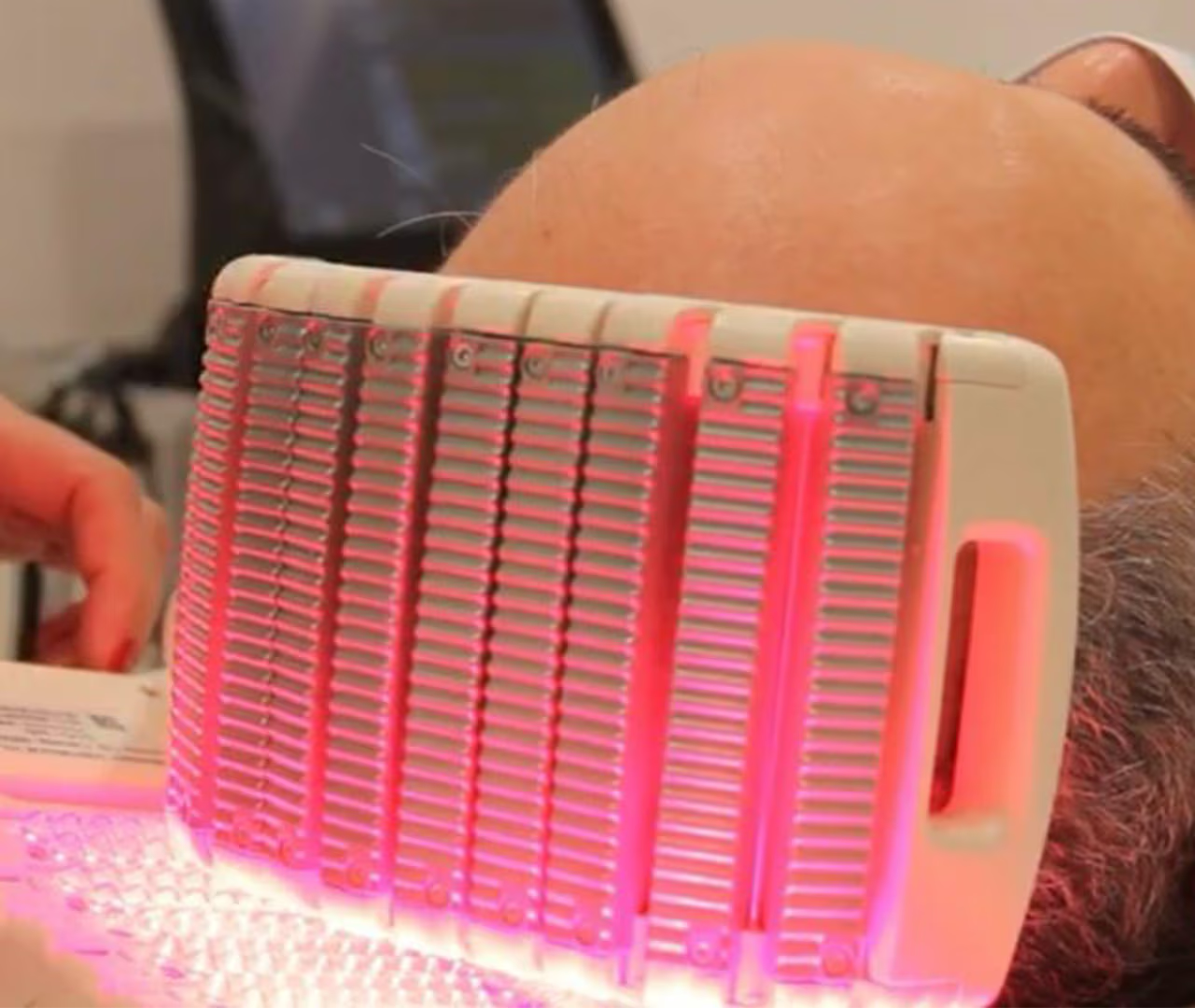
Laser therapy is non-invasive, utilizing low-level light to energize follicles. It encourages growth without requiring surgery. Many find it a convenient, pain-free option.
This method suits those preferring less intensive treatments. It enhances blood flow to hair, promoting thicker strands. Regular sessions are necessary for the best results, often in combination with other treatments.
Laser therapy is a valuable tool in hair restoration. It provides an option for those apprehensive about more drastic treatments. Always seek professional guidance to tailor this therapy for personal needs.
Natural Hair Growth: Lifestyle and Home Remedies
Natural remedies offer a gentle approach to hair restoration. They complement medical treatments and can be part of a holistic strategy. Lifestyle adjustments are key to promoting healthy hair growth.
Focus on creating a nourishing environment for your scalp. This nurtures follicles and promotes growth. Regular care and informed choices are essential.
Home remedies often include diet, massage, and herbal treatments. These solutions are accessible and easy to implement. Consistency is crucial to see tangible results over time.
Here are a few lifestyle changes and home remedies:
- Balance your diet with essential nutrients.
- Incorporate regular scalp massages.
- Use essential oils and herbal infusions.
- Manage stress effectively to limit hair loss.
- Avoid harsh chemical treatments and over-styling.
Adopting these practices can make a difference. Natural treatments are about patience and persistence. They aim to enhance your overall hair health gently.
Diet and Nutrition for Healthy Hair
Nutrition is vital for hair health and growth. Consuming the right nutrients supports and strengthens your hair. A varied diet contributes to your hair’s overall appearance and durability.
Essential nutrients for hair include:
- Protein: Builds hair structure.
- Iron: Supports blood supply to roots.
- Omega-3 fatty acids: Nourish hair follicles.
- Vitamins A, B, and E: Promote healthy growth.
Incorporate fish, nuts, vegetables, and lean meats into your meals. These foods provide a solid nutritional base. Hydration also plays a crucial role, so drink plenty of water daily.
Scalp Care and Massage Techniques
Caring for your scalp fosters a healthy hair-growing environment. Clean and moisturized scalps are less prone to issues like dandruff, which affects growth. Scalp massage boosts circulation and stimulates hair follicles.
Incorporate these techniques into your routine:
- Regular gentle scalp massages: Promote circulation.
- Use natural, sulfate-free shampoos: Maintain scalp health.
- Avoid tight hairstyles: Minimize stress on hair roots.
Spend a few minutes massaging your scalp in circular motions each day. This can enhance nutrient delivery to hair roots. Consistency in care leads to stronger, healthier hair over time.
Essential Oils and Herbal Remedies
Herbal remedies offer a natural alternative for hair growth. Essential oils, in particular, are popular for their potential benefits. They are easy to use and can be part of an everyday routine.
Consider these beneficial oils and herbs:
- Rosemary oil: Promotes circulation.
- Peppermint oil: Refreshes and stimulates follicles.
- Saw palmetto: Herbal support for growth.
Mix a few drops of essential oil with a carrier oil, like jojoba, and massage into the scalp. Do this a few times a week. Meanwhile, herbal supplements could complement this topical approach effectively.
Hair Growth Supplements: What Works?
Hair growth supplements have gained popularity as an aid in combating hair loss. Many supplements are packed with essential vitamins and minerals necessary for robust hair development. While results can vary, some have shown promise in supporting healthy hair growth.
Key ingredients to look for in supplements include:
- Biotin: Boosts keratin infrastructure.
- Vitamin D: Strengthens hair follicles.
- Zinc: Supports hair tissue growth and repair.
- Iron: Essential for preventing hair thinning.
These components help address deficiencies that can lead to hair loss. Supplements can be a valuable addition to your hair restoration plan when combined with a healthy lifestyle. However, it is wise to consult with a healthcare provider before starting any new supplement regimen to ensure safety and efficacy.
Combining Treatments: Creating a Personalized Plan
Creating a personalized plan for hair loss restoration can enhance outcomes. Combining multiple treatments often leads to better results than relying on a single method. Tailoring a plan to fit individual needs and conditions is essential.
Consider these combinations for optimal results:
- Medical treatments with natural remedies
- Supplements alongside a nutritious diet
- Topical solutions with lifestyle changes
Each person’s hair loss situation is unique. Consult a dermatologist or hair specialist to craft a treatment plan that aligns with your specific goals and health requirements. By blending different approaches, you can tackle hair loss from various angles, potentially yielding greater improvements in hair health and growth.
Myths and Facts About Hair Loss Restoration
Hair loss restoration is often surrounded by myths that can mislead individuals. It’s crucial to separate fact from fiction for effective treatment.
Consider these common myths and truths:
- Myth: Wearing hats causes baldness.
- Fact: Baldness is typically due to genetics or medical conditions.
- Myth: Hair restoration results are instant.
- Fact: Most treatments take months to show results.
Understanding these distinctions helps set realistic expectations and guides informed choices for tackling hair loss effectively.
Psychological Impact and Support
Experiencing hair loss can affect self-esteem and mental health. Many individuals feel less confident and more self-conscious.
Seeking support from professionals or joining support groups can be beneficial. Sharing experiences with others can provide comfort and helpful coping strategies. Acknowledging these feelings is the first step towards emotional recovery.
Innovations and Future Trends in Hair Restoration
Technological advancements are reshaping hair restoration. New methods aim to enhance results and accessibility.
Emerging techniques like stem cell therapy show promise. Continuous research brings hope for even more effective solutions. This evolution offers exciting possibilities for those experiencing hair loss.
Conclusion: Taking the Next Steps Toward Hair Restoration
Addressing hair loss is a personal journey. Understanding your options is the first step towards a positive outcome.
With patience and a tailored approach, effective hair restoration is possible. Explore treatments, maintain a healthy lifestyle, and seek professional guidance. Embarking on this path is an empowering move towards regaining confidence and self-esteem.