
Pain and stress are common challenges in today’s fast-paced world. Many seek relief through various therapies.
Cupping massage offers a unique approach. It combines ancient techniques with modern wellness practices.
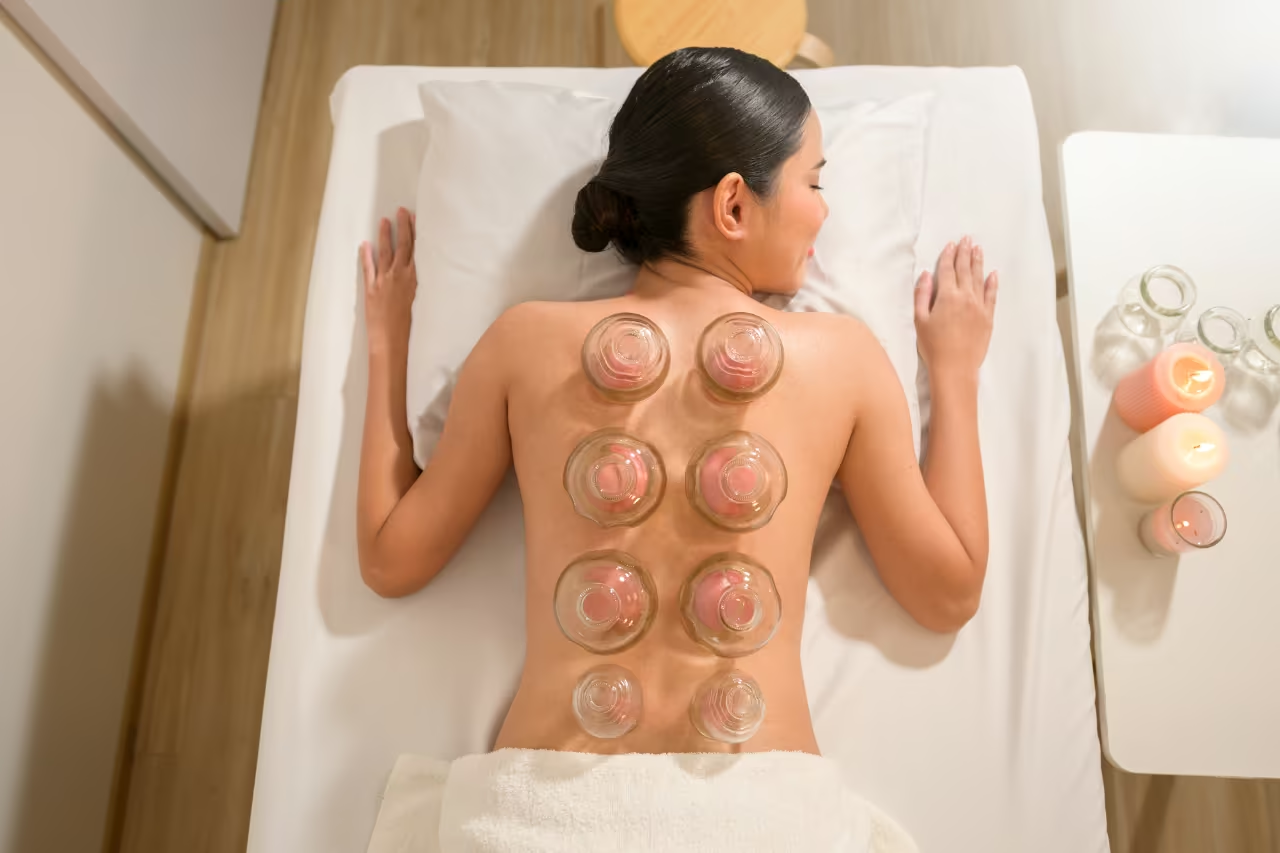
This therapy involves placing cups on the skin to create suction. The process is simple yet effective.
Cupping therapy is rooted in traditional Chinese medicine. It has gained popularity for its potential benefits.
People use it for pain management and stress relief. It can be a valuable addition to a wellness routine.
Explore how cupping massage can enhance your health. Discover its role in promoting relaxation and healing.

What Is Pain & Stress Relief Cupping Massage?
Pain & stress relief cupping massage is a form of therapeutic treatment. It utilizes suction to influence the body. This practice helps enhance blood flow and ease pain.
The process involves placing cups on the skin. These cups create a vacuum effect. The suction draws the skin and muscle upward.
Cupping massage isn’t just for pain. It also aids in stress reduction. By loosening tight muscles, it promotes relaxation.
Types of cupping include:
- Dry cupping: Uses suction alone without bloodletting.
- Wet cupping: Involves slight skin incisions for bleeding.
- Fire cupping: Heats the air inside the cup for suction.
Overall, cupping serves various health and wellness purposes. It’s a natural method for rejuvenating body and mind.
The History and Origins of Cupping Therapy
Cupping therapy has ancient roots. It traces back to civilizations like Egypt and Greece. Over time, it spread across different cultures.
Traditional Chinese medicine (TCM) is where cupping gained notable prominence. It played a crucial role in their healing practices. TCM views cupping as vital for balancing “qi,” or life energy.
The earliest accounts of cupping describe using hollowed-out animal horns. Horns were the original cups before bamboo and glass were adopted. This shows humanity’s resourcefulness in health care.
Cupping’s historical journey highlights its enduring appeal. It’s a testament to ancient wisdom meeting modern wellness needs. As more people seek holistic treatment today, cupping remains a respected option for natural healing.
How Cupping Therapy Works: The Science and Principles
Cupping therapy involves placing cups on the skin to create suction. This suction helps increase blood circulation to the area. Improved circulation can aid in muscle relaxation and pain relief.
The process of cupping can help stimulate the flow of “qi”. This is a crucial concept in traditional Chinese medicine. Balancing qi is believed to support overall health and vitality.
Several physiological mechanisms are thought to contribute to cupping’s effectiveness. These include boosting the immune response and reducing inflammation. Cupping may also help detoxify the body by drawing out impurities.
Here are the main principles behind cupping therapy:
- Increases blood flow to affected areas.
- Balances energy flow or “qi.”
- Reduces inflammation and tension.
- Promotes relaxation and stress relief.
It’s important to remember that the benefits can vary. Individual responses to cupping depend on personal health conditions and specific treatment goals. Overall, cupping’s principles offer a blend of ancient wisdom and modern healing science.
Types of Cupping: Dry, Wet, Fire, and Modern Techniques
Cupping therapy is diverse, offering several distinct methods. Each technique provides unique benefits and experiences. Understanding these can help tailor treatments to individual needs.
Dry Cupping is the most common form. It involves applying suction directly to the skin. This method doesn’t involve any form of incision or bloodletting.
Wet Cupping adds an extra step. After suction is applied, small incisions are made to draw out a small amount of blood. This process is believed to help detoxify the body.
Fire Cupping is a more traditional technique. It involves heating the air inside the cup before applying it to the skin. The cooling air creates stronger suction.
Modern techniques often incorporate silicone or rubber cups. These allow for more flexibility and easier movement on the skin. This method is particularly useful for a more dynamic massage experience.
Different types can be combined for enhanced results. Choose the method that aligns best with your goals. Always consult with a trained practitioner for the best outcomes.

Benefits of Cupping Massage for Pain Management
Cupping therapy offers several benefits for pain relief. This ancient practice can help address chronic pain conditions. By enhancing blood flow, it aids in tissue recovery.
One key advantage is the reduction of muscle tension. This easing of tension can lead to improved mobility. It often results in lessened pain perception.
Cupping may decrease inflammation in the body. This is crucial for managing pain from injuries or conditions. Inflammatory responses are calmed, allowing faster healing.
The practice can also enhance nerve function. Improved circulation aids in better nerve connectivity. This can diminish sensations of pain over time.
Here are some specific pain management benefits of cupping massage:
- Reduces muscle tension
- Improves blood circulation
- Decreases inflammation
- Enhances nerve function
- Speeds up tissue healing
Additionally, cupping supports the body’s natural healing processes. This makes it an attractive option for those avoiding pharmaceuticals. It serves as a complementary approach to traditional pain management.
Lastly, regular sessions can contribute to overall well-being. As pain diminishes, quality of life improves. This ensures a more active, engaged lifestyle for many patients.
Stress Relief and Mental Well-being Through Cupping
Cupping therapy is not just for physical pain relief. It’s also known for its impact on stress and mental wellness. The act of cupping can promote relaxation.
When cups are applied, they create a pulling sensation. This physical action can release tension stored in muscles. As tension fades, relaxation follows.
This technique also stimulates the parasympathetic nervous system. Activation of this system encourages a state of calm. It can be akin to a meditative experience.
Cupping can offer a sanctuary from daily stressors. It allows a moment to focus inward, away from external noise. It’s a form of mindfulness in motion.
Here’s how cupping aids mental well-being:
- Encourages relaxation
- Activates parasympathetic response
- Promotes mindfulness
- Eases tension-related stress
Many people report feeling lighter and more at ease post-treatment. This boost in mental clarity enhances emotional balance. It serves as a reminder of the importance of holistic care.
The Cupping Massage Process: What to Expect
Cupping massage begins with a consultation. The practitioner will discuss your specific needs and medical history. This ensures the treatment is safe and effective for you.
During the session, cups are strategically placed on the skin. The practitioner might use heat or suction. This creates the necessary pulling effect on your muscles.
The cups remain on your body for several minutes. The duration depends on the type of cupping and your goals. You might feel a gentle tightening sensation.
After the cups are removed, marks might remain on the skin. These marks typically fade within a few days. They are a natural result of increased blood flow.
Here’s what you can generally expect in a session:
- Initial consultation and assessment
- Placement of cups
- Suction application
- Session duration varies
- Temporary skin marks may appear
This entire process aims to enhance relaxation and reduce tension. Each session is tailored to deliver optimal benefits.

Safety, Side Effects, and Contraindications
Cupping therapy is generally considered safe. It should be performed by a trained professional to avoid risks. Proper technique ensures optimal results and minimizes issues.
Some mild side effects can occur after a session. These may include temporary bruising and soreness. Such effects usually disappear within a few days.
However, cupping is not suitable for everyone. People with certain skin conditions or bleeding disorders should avoid it. Consulting a healthcare provider is crucial if you have medical concerns.
Here are some situations where cupping might not be advised:
- Open wounds or skin infections
- Severe varicose veins
- Pregnancy (without a doctor’s advice)
- People on blood thinners
Understanding these guidelines can help ensure a safe and beneficial experience. Always prioritize your health and well-being by following professional advice.
Integrating Cupping with Other Pain Management and Wellness Practices
Cupping can enhance the benefits of other pain management strategies. Combining it with therapies like massage or acupuncture can lead to improved outcomes. This synergy can target different aspects of pain and stress relief.
Incorporating cupping into a holistic wellness routine is beneficial. It works well alongside exercises, like yoga and Pilates, to improve flexibility and reduce stress. Additionally, combining it with a balanced diet can support detoxification and overall health.
Holistic health approaches aim to treat the whole person. By integrating cupping with other practices, the benefits can be amplified. This comprehensive method helps in achieving lasting results.
Here are ways to integrate cupping into your routine:
- Add it to regular massage sessions
- Combine with mindfulness practices, like meditation
- Include in sports recovery plans
- Pair with herbal supplements for detoxification
By exploring these options, one can customize their health plan. A well-rounded approach promotes balance and harmony in mind and body.
How to Find a Qualified Cupping Practitioner
Finding a qualified cupping practitioner ensures safety and effectiveness. Seek recommendations from trusted friends or health professionals. They can guide you to experienced practitioners.
Verify the practitioner’s credentials and training. Look for certifications from reputable institutions. This reassures you of their expertise in cupping therapy.
Consider the practitioner’s experience and client feedback. Reviews and testimonials can provide insights into their reputation. Ensure you feel comfortable with their approach and methods.
When choosing a practitioner, check for:
- Proper certifications and training
- Positive client reviews or testimonials
- Experience in cupping therapy
- A clean and professional environment
Preparing for Your First Cupping Massage Session
Proper preparation enhances your cupping session experience. Hydrate well before the appointment. This can improve circulation and aid the therapy process.
Wear comfortable, loose-fitting clothing. Easy access to the skin is necessary for placing the cups. Avoid heavy meals just before the session.
Inform your practitioner about any health conditions or medications. This ensures they tailor the session to your specific needs. Your openness helps in customizing the treatment.

Checklist for your session preparation:
- Hydrate adequately before your session
- Wear comfortable and loose clothing
- Avoid eating a heavy meal immediately prior
- Communicate any health issues to your practitioner
Aftercare and Recovery: Maximizing the Benefits
After a cupping session, hydration is key. Drinking water flushes out toxins. It supports your body’s natural recovery process.
Rest is crucial. Giving your body time to recuperate maximizes the session’s benefits. A relaxed state enhances healing and overall well-being.
Avoid strenuous activities immediately post-session. Light stretching can be beneficial. Listen to your body for guidance.
Consider these aftercare practices:
- Stay well-hydrated throughout the day
- Rest and allow time for healing
- Avoid intense physical activities post-session
- Engage in gentle stretching if needed
Frequently Asked Questions About Cupping Therapy
Curious about cupping therapy? Many wonder about the sensations involved. The process typically feels like a gentle tug or pressure on the skin.
Is it painful? Generally, it is not. The slight discomfort is usually temporary and tolerable.
Here are common concerns:
- What does cupping feel like?
- Is cupping safe for everyone?
- How long do the marks last?
Most marks fade within a week. Consult with a professional to address any additional queries or concerns.
Is Cupping Therapy Right for You?
Cupping therapy can be an excellent option for those seeking non-invasive pain and stress relief. It’s particularly useful for individuals interested in holistic practices.
However, it’s essential to consult with a healthcare provider before starting, especially if you have specific health concerns. This ensures it’s a safe and suitable choice for your unique needs.
Conclusion: Embracing Holistic Pain and Stress Relief
Cupping therapy offers a unique path toward natural pain and stress relief. It merges ancient wisdom with modern wellness principles.
By incorporating cupping into your routine, you can embrace a holistic approach to well-being. This practice promotes balance and harmony, enhancing overall health.
Consider cupping as a means to connect the mind and body. It supports a journey to improved health through natural and gentle techniques.